Sewing Machine Projects You Can Make at Home Without Experience
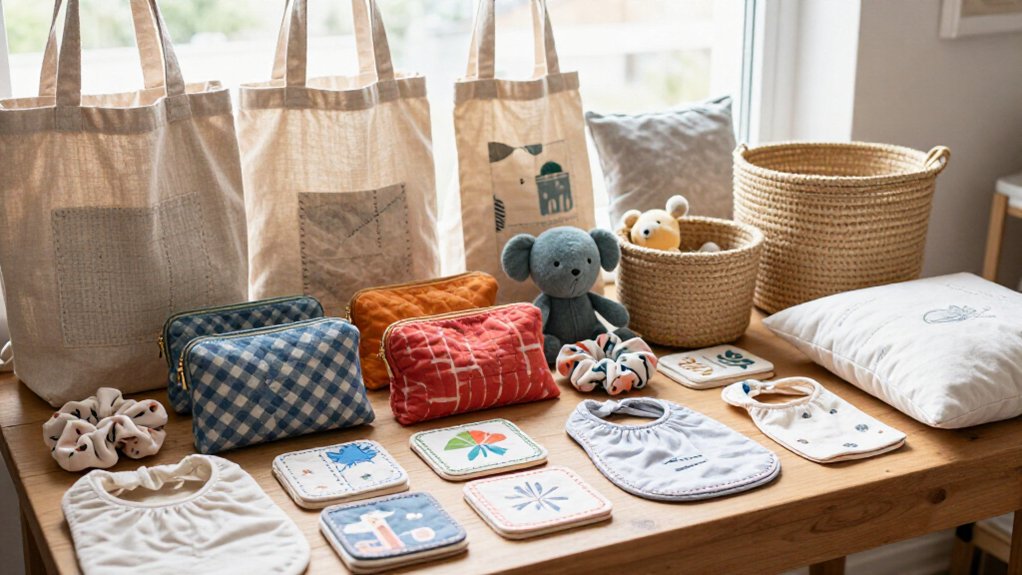
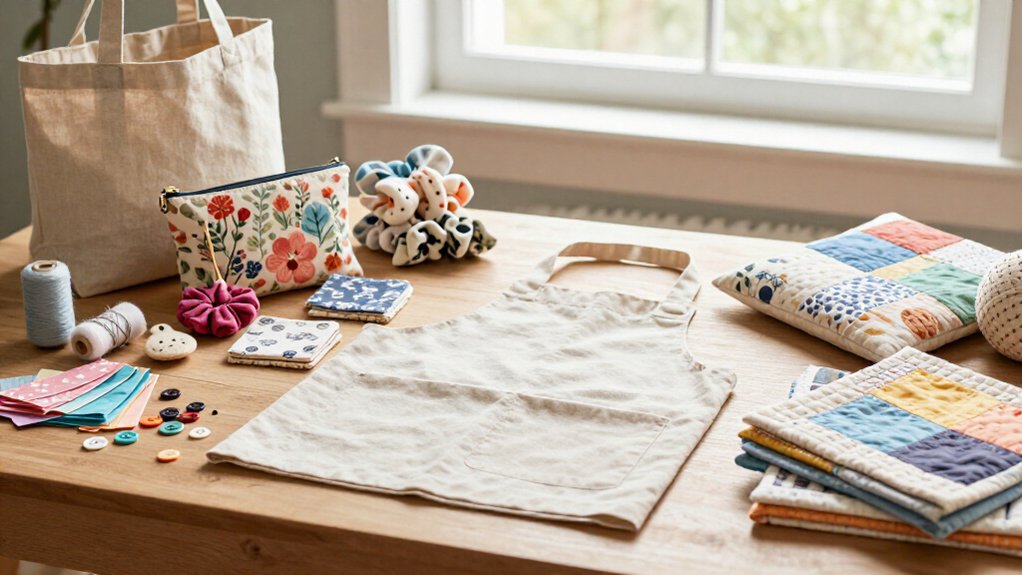
I start beginners with cushion covers, tote bags, coasters, and zipper pouches because they’re simple, useful, and forgiving. Grab medium-weight cotton, cut clean rectangles, sew straight seams, and finish edges with zigzag stitches or a neat envelope back. Tote bags need two outer pieces, lining, and straps; coasters and pouches use tiny scraps and feel like instant wins! If you want projects that look polished without much stress, the next ideas get even better.
Love cozy DIY projects? 💕
Get free printable guides, exclusive tutorials & surprise craft goodies straight to your inbox.
Disclosure: This post may contain Amazon affiliate links, at no extra cost to you. Content on DiyCraftNest is created with research support from AI tools and carefully reviewed, edited, and fact-checked by the lead author, Daniel Pat, to ensure accuracy and reliability. Learn more
Key Takeaways
- Start with simple projects like cushion covers, pillow covers, and coasters using straight seams and basic rectangles.
- Make tote bags with outer and lining rectangles, straps, and a mostly straight-line construction.
- Try zipper pouches, drawstring gift bags, and fabric organizers to build confidence with turning and finishing.
- Use medium-weight cotton or cotton blends because they sew easily and press well for a polished look.
- Finish edges with zigzag stitching, topstitching, and envelope closures for neat, beginner-friendly results.
Simple Sewing Machine Projects for Daily Use
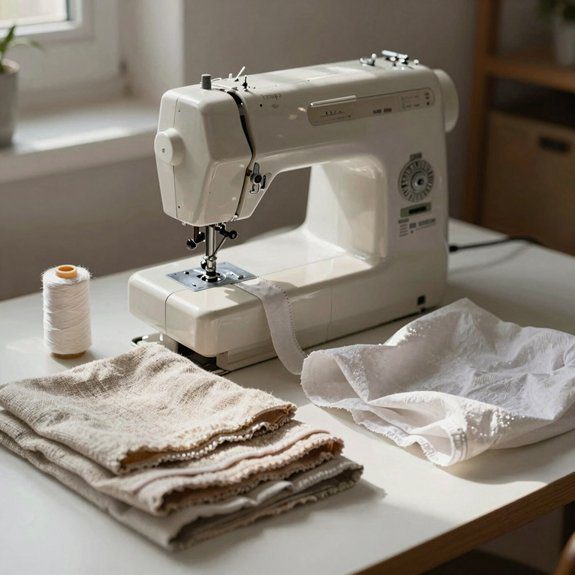
I love starting with cushion covers and tote bags because they’re beginner-friendly, practical, and honestly pretty fun—grab some fabric, scissors, and your sewing machine, then stitch simple squares for cushion covers or a sturdy rectangle for a tote.
For a cushion cover, I’d sew three sides and leave an envelope opening so the pillow slips in easily, and for a tote, I’d add straps and keep the seams neat so it can carry books, groceries, or that one random thing you always forget you bought.
Best part? You’ll end up with everyday pieces that look polished, cost way less than store-bought ones, and make you feel like a sewing superstar!
Tote bags
If you’re looking for a super practical first project, tote bags are a fantastic place to start, because they’re mostly straight lines and don’t ask your machine to do any uncomplicated tricks! I love how Pattern choices and fabric selection can make this feel personal right away, especially when you pick 100% cotton or a cotton blend in a medium weight.
I cut two outer rectangles and two lining rectangles, then stitch them with right sides together, leaving the top open. Next, I make two strap pieces, attach them to the outer bag’s top edges, and sandwich them in before sewing the lining in—easy, sturdy, done!
After I turn the tote right-side out, I close the lining opening and smooth everything flat. A zipper-free design keeps it fast, and honestly, the finished bag looks like I totally knew what I was doing!
Cushion covers
Cushion covers are another beginner win, and they’re a lot like tote bags in spirit, just cozier and a little more couch-approved! I like them because they teach me beginner techniques without drama, and your sofa gets a quick glow-up.
- Pick Fabric choices like medium-weight cotton; it’s easy to handle.
- Cut two rectangles for your cushion, then practice accurate corners.
- Sew three sides, or use envelope closures for a no-zipper back.
- Finish edges with zigzag edge finishing, so your seams stay neat.
I keep shapes simple, because rectangles build confidence fast. If you make a few covers, try different prints on the same size cushion, and suddenly your room feels custom-made. Easy, cheap, and kind of addictive—honestly, that’s a pretty great sewing club to join!
Creative DIY Sewing Projects That Look Expensive
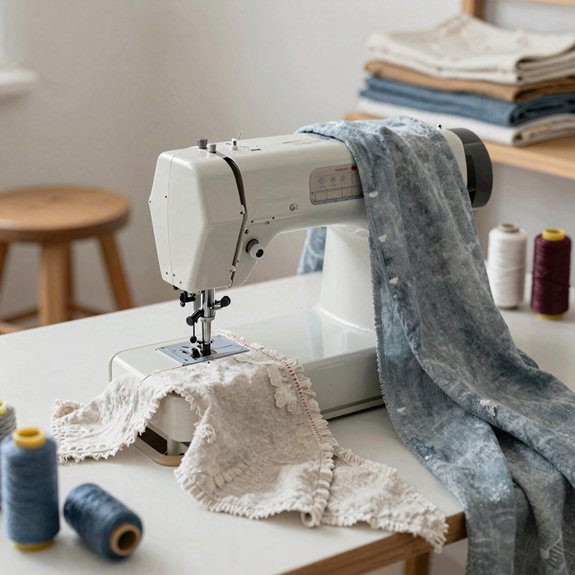
I love starting with fabric organizers because they’re beginner-friendly, use easy straight seams, and turn simple cotton or cotton-blend fabric into something that looks neat and upscale in a snap.
A table runner is just as fun, and with clean topstitching, pressed edges, and a few careful measurements, you can make one that looks like it came from an upscale store without spending much at all!
If you want, I can also give you two quick project ideas with simple steps and materials next.
Fabric organizers
Fabric organizers are one of my favorite places to start, because they look polished fast, even when you’re still learning your way around a sewing machine!
- I make budget friendly organizers like zipper pouches from cotton or cotton-blend fabric, add lining, sew straight seams, then turn and press for a neat finish.
- For scrap busting projects, I cut small rectangles into coasters or bookmarks, stitch around the edges, and topstitch so they feel crisp, not homemade.
- I’ll whip up reusable snack bags or a simple tote with interfacing and boxed corners, which gives you that sturdy, store-bought shape.
- My favorite surprise is a fabric basket with pull tabs and clean topstitching—it looks polished, but it’s really just careful straight sewing.
You’ll feel like you belong in the “I made this!” club fast!
Table runners
After making handy fabric organizers, I like to level up to table runners, because they’re one of those sewing projects that can look stylish with surprisingly little effort! I grab medium-weight cotton, press it well, and sew straight lines first, so the runner stays crisp and calm, not wavy like a sleepy pancake.
| Look | What I Use | Result |
|---|---|---|
| Bold | Print cotton | Designer vibe |
| Gift | Ribbon trim | Sweet gifting table settings |
| Fresh | Seasonal fabric swaps | Easy new mood |
| Clean | Envelope edge | Stylish finish |
| Polished | Topstitching | Store-bought feel |
I finish raw edges with zigzag stitching, then add a narrow border or appliqué if I want extra charm. The best part? It’s cheap, beginner-friendly, and makes your table feel like it belongs in the group!
Small Projects Perfect for Practice
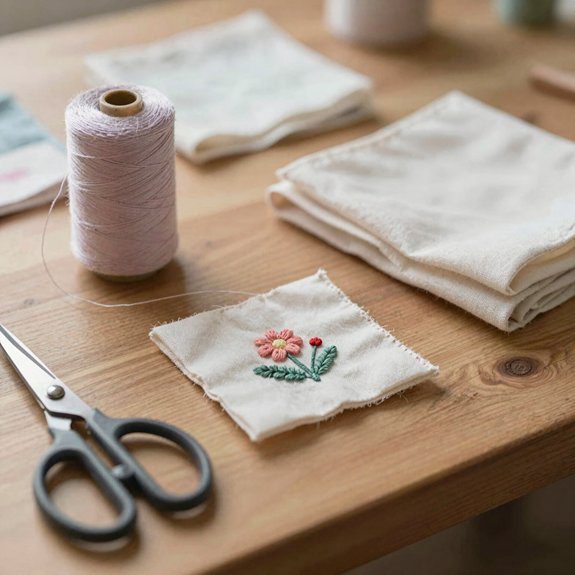
I love starting with zipper pouches because they’re small, useful, and they let you practice straight seams, zippers, and turning fabric without a big mess of material—yes, even the kind of zipper that likes to wobble!
If you want an even easier win first, I’d stitch a simple apron-style project with basic shapes and long seams, since it helps you get comfy guiding fabric and keeps the whole thing practical.
Both projects cost little, use easy-to-find fabric scraps, and leave you with something real to use, which is a pretty great trade for a beginner!
Zipper pouches
If you’re looking for a tiny project that feels big on confidence, zipper pouches are a fantastic place to start! I love them because they help me practice choosing zipper types and practicing straight stitching without decorative shaping.
- Cut a 7 x 9 inch body and a 3.5 x 1.5 inch pull tab.
- Place the fabric right-side up, then attach one zipper side.
- Sew the second side with right sides together, and unzip halfway first, or the pouch will make you dance.
- Turn it right-side out, press, and topstitch near the zipper for a crisp finish.
You’ll use a little fabric, save money, and get a neat pouch that feels polished fast.
It’s a small win, but wow, it builds real sewing buddies confidence!
Aprons
Aprons are one of my favorite beginner projects, because they look useful right away and they don’t ask for stylish shaping or tricky curves! I prewash about 1 yard of lightweight cotton twill, then I cut a simple half apron, around 19 x 31 inches, plus a 10.5 x 31 inch pocket. Thread, pins, scissors, a ruler, and an iron are all I need, and that feels friendly, not scary.
| Step | What I Do | Why It Helps |
|---|---|---|
| Fabric folding | I fold, press, and measure | Lines stay neat |
| Stitching | I sew straight seams | Confidence grows |
| Waistband finishing | I add 31 x 4 inch ties | It looks polished |
This tiny project costs little, builds skill fast, and the pocket makes me grin every time!
Beginner-Friendly Projects That Build Confidence
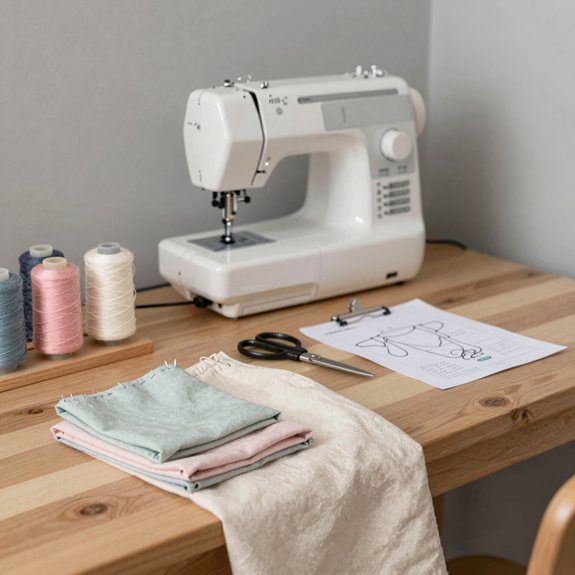
I like starting with easy patterns and straight stitch projects, because a simple pillow cover or fabric coaster can feel like a tiny win instead of a wrestling match with your machine.
I’d grab medium-weight cotton, read the pattern first, and cut carefully, since those small steps make zipper pouches or bookmarks much less scary, and way more fun!
If you want a confidence boost, try a reusable snack bag next, it’s practical, quick, and you’ll end up with something you can actually use at lunch—score!
Straight stitch projects
Kicking off with straight-stitch projects is one of the easiest ways to build real sewing confidence, and honestly, it feels a little like leveling up without the scary boss fight!
I’d start with medium-weight cotton, because it presses nicely and helps my straight seams stay true. Then I’d follow four easy wins:
- Pillow cover, 18 x 18, three sides only.
- Fabric coasters, layered with batting.
- Simple topstitching practice on scraps.
- Zipper pouch, with the zipper halfway open.
I read directions first, cut carefully, and don’t rush, because accuracy matters more than speed.
For the coasters, I sew around the edge, leave a turning gap, then finish the seam and topstitch. That little finish feels so good!
Mistakes happen, but straight stitch projects let me learn, laugh, and belong at the machine.
Easy patterns
Easy patterns are where sewing starts to feel less like “please don’t wobble” and more like “hey, look what I made!” If straight stitches gave you the basics, then simple pillow covers, coasters, and small zipper or drawstring projects help you practice those same skills on beginner-friendly shapes that don’t ask for fitting or elaborate tricks.
I’d start with 18″ x 18″ pillow covers in medium-weight cotton, because they cut cleanly and press well. A fabric calculator keeps scraps in check, and quilting basics like layering, trimming, and topstitching show up again and again.
Next, try coasters or a zipper pencil pouch, unzip halfway, sew, turn, done—wow! For extra confidence, make a ribbon-casing gift bag or a tiny Chapstick holder.
These little wins cost less, finish fast, and make you feel like you belong here.
Sewing Inspiration Ideas to Try Next
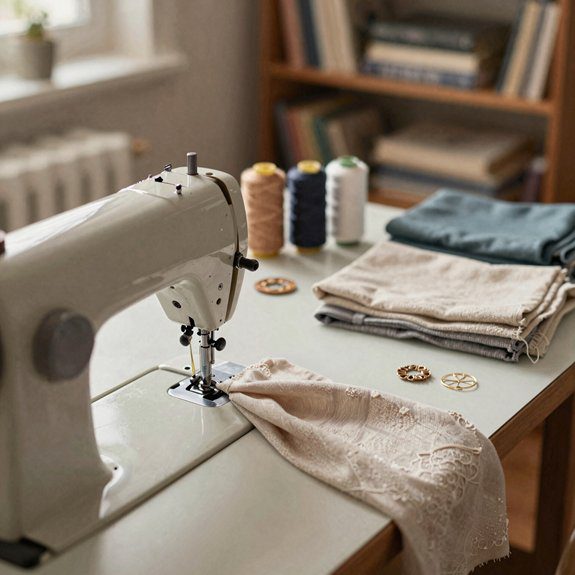
I love starting with home decor pieces like coasters or pillow covers, because they use simple straight stitches, basic cotton, and you can see a real result fast—hello, instant bragging rights!
For handmade gifts, I’d try fabric bookmarks or a cute keychain fob next, since they’re cheap, beginner-friendly, and only need a few easy steps like cut, sew, turn, and press.
And if you’re feeling brave, a little zippered pouch can be the surprise winner, because once that zipper goes in, you’ve got a gift that looks way fancier than the effort it took!
Home decor pieces
When I want to freshen up a room without spending a ton, I start with home decor pieces that look stylish but are actually super beginner-friendly—think simple pillow covers or pillowcases made from plain rectangles, like 18 × 18 inches, sewn on three sides. I lean on Stitching Basics and choose a Fabric Color that fits the vibe, so I feel at home fast!
- Pillow covers: cut, sew, stuff—done! Great for confidence.
- Fabric coasters: layer fabric, leave a gap, turn, topstitch. Cute and quick!
- Wall hanging: add a pocket, a loop, then patches or stitching.
- Lampshade cover: use a little fabric for a big wow.
If I want extra storage, I make a fabric basket with interfacing and handles. It’s doable, useful, and honestly, pretty satisfying!
Handmade gifts
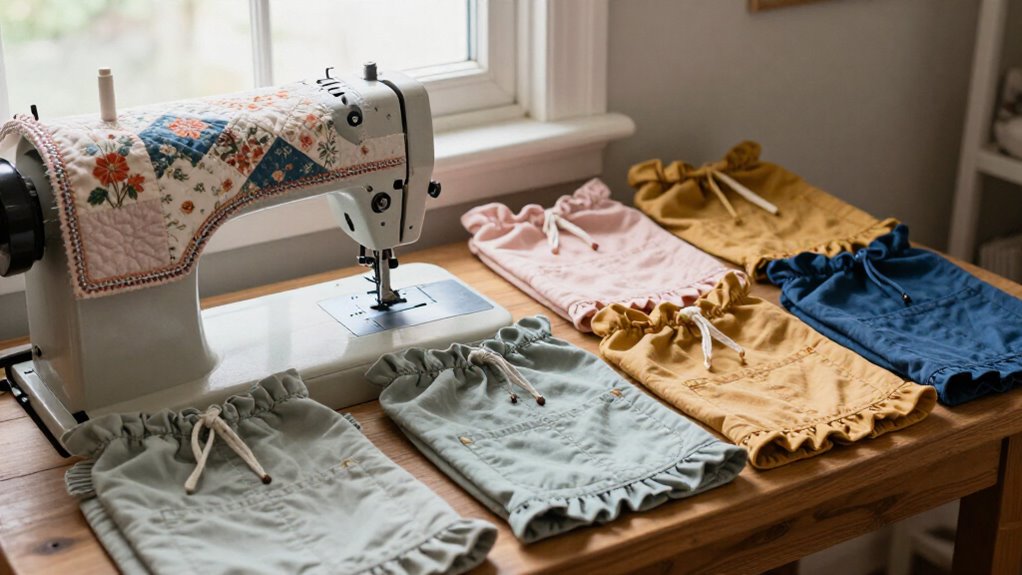
If home decor has you feeling brave, handmade gifts are the next fun step, because they let you stitch something useful, personal, and way more charming than another last-minute store run! I start with reusable dish sponges or drawstring gift bags, since they’re cheap, quick, and perfect for Sewing machine basics. Use cotton scraps, batting, or ribbon, then sew simple seams and a top casing; done!
Want a tiny win? Try a zipper pencil pouch or keychain fob. Sew the zipper, unzip halfway, then turn right-side-out, and you’ll Practice turning corners without panic.
For cozy gifting, I make fabric coasters or envelope pillow covers, which feel charming but stay beginner-friendly.
If you want the surprise hit, I’d save a free-pattern sock bear or a fabric-scrap banner for last, because they’re playful, fast, and seriously giftable!