Hand Sewing Projects for Beginners You Can Start Without a Machine
I love hand sewing for beginners because I can start fast with just a needle, thread, and scrap cotton—no machine tantrums required! Try a felt keychain, bookmark, or tiny pouch: cut simple shapes, use running or backstitch, then finish edges with whip stitch. A scrunchie or little storage bag is cute and useful too, and medium-weight cotton keeps things neat. Start small, keep stitches even, and the best trick’s waiting just ahead.
Love cozy DIY projects? 💕
Get free printable guides, exclusive tutorials & surprise craft goodies straight to your inbox.
Disclosure: This post may contain Amazon affiliate links, at no extra cost to you. Content on DiyCraftNest is created with research support from AI tools and carefully reviewed, edited, and fact-checked by the lead author, Daniel Pat, to ensure accuracy and reliability. Learn more
Key Takeaways
- Start with hand sewing because it needs only a needle, thread, and scrap fabric, making it easy for beginners.
- Learn running stitch, backstitch, whip stitch, and blanket stitch to build basic seam and edge-finishing skills.
- Try small projects like felt keychains, fabric bookmarks, and simple pouches for quick, confidence-building results.
- Make useful daily items such as scrunchies, drawstring bags, and felt needle books using simple straight stitches.
- Choose medium-weight cotton, press seams as you go, and fix mistakes early for cleaner beginner results.
Why Hand Sewing Is the Easiest Way to Learn
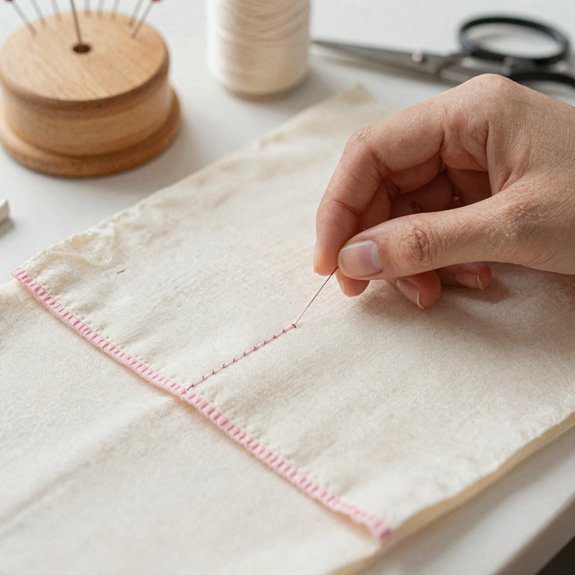
Because hand sewing skips the whole “thread the machine, fight the tension, hope for the best” drama, it’s one of the easiest ways to start learning! I love that I can grab scrap fabric, a needle, and thread, then jump into a tiny project in minutes.
For me, the Benefits of Hand Sewing Learning show up fast: I can work in short bursts, like during a movie break or while waiting in the car, and I spot mistakes before they turn into a mess.
That means less ripping, more smiling.
Start with small shapes, keep your stitches even, and you’ll feel practicing stitch Consistency Quickly without stress.
It’s cheap, portable, and friendly for beginners, so you’ll build control, patience, and finishing skills before you know it.
Basic Stitches Every Beginner Should Know
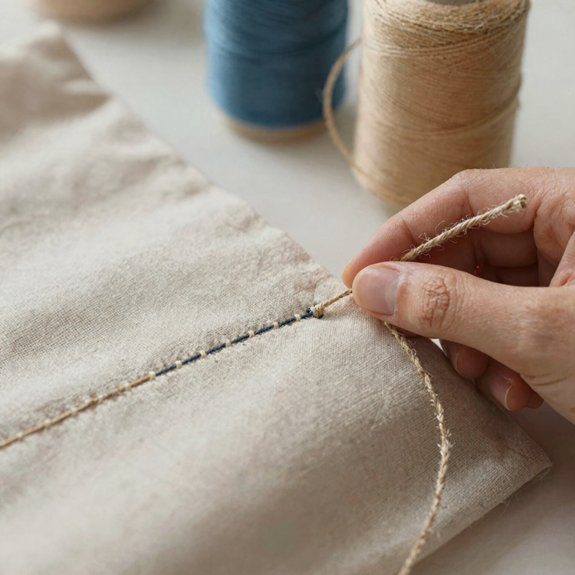
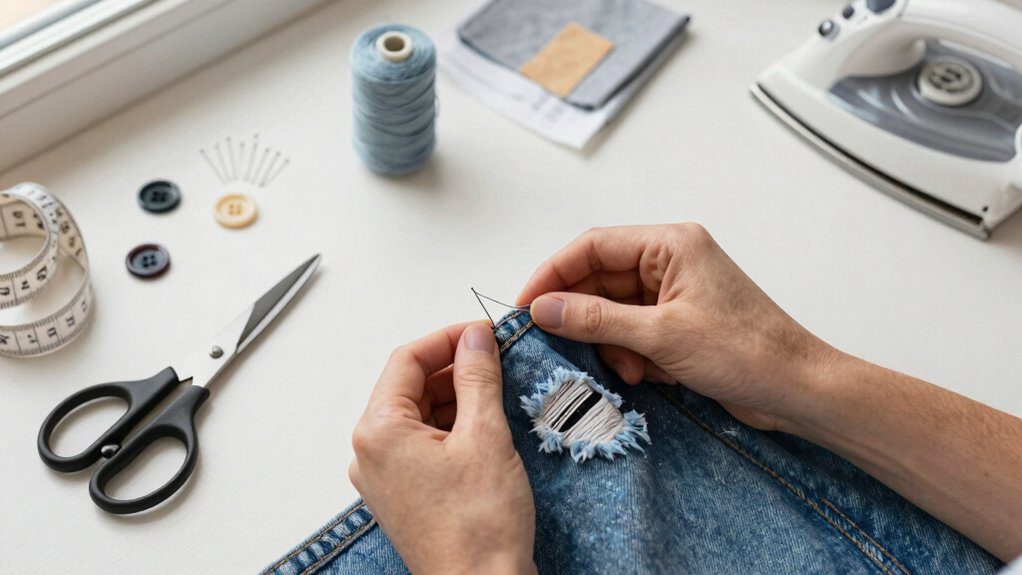
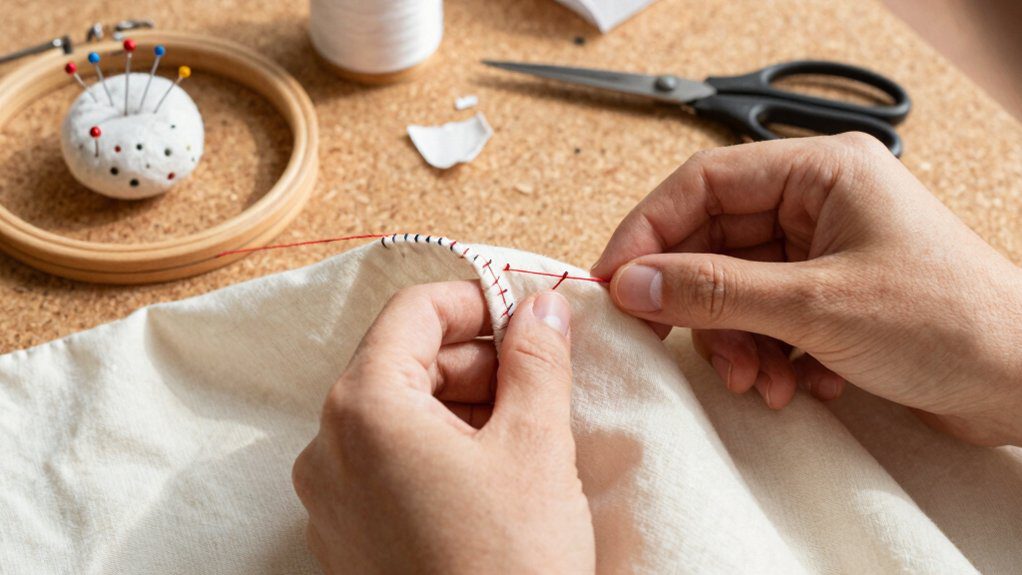
A few basic stitches can take you from “uh-oh, what do I do with this needle?” to “look at me, I made that!” in no time. I start with the running stitch for easy seams, then the backstitch when I want strength, because it locks each stitch into the last loop. Whip stitch and blanket stitch help me finish raw edges neatly, and overcasting or a satin stitch can save a tiny tear before it grows.
I always Practice thread tension, use stitch spacing tips like keeping each stitch short and even, and watch for preventing fabric puckering by pausing to smooth the cloth.
Start with a small knot, keep your line straight, and watch for avoiding common knots as you sew.
Tiny habits, big wins, friend!
Beginner-Friendly Projects You Can Finish Quickly
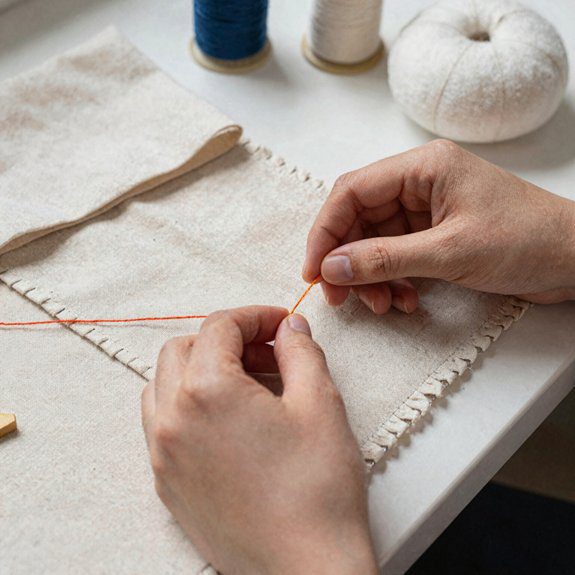
I love quick hand sewing wins, and felt keychains are a great place to start because they’re tiny, cheap, and let you stitch up a cute little gift in no time.
Fabric bookmarks are just as easy, since you can sew two rectangles together, add a scrap of interfacing or cardboard for stiffness, and finish with a ribbon loop for a neat result.
If you want something useful right away, simple pouches are a fun next step, and once you’ve sewn a couple of straight seams, you’ll have a handy pouch for coins, earbuds, or tiny treasures!
Felt keychains
Felt keychains are one of my favorite little starter projects, and they’re perfect when you want something cute fast without dragging out a sewing machine! I grab beginner tools like sharp scissors, a needle, thread, and a pre-cut felt shape, then I check craft safety before I start.
I stitch a matching piece on top with a simple running stitch, keeping the edges neat and friendly for first-timers. Then I add the keyring attachment by slipping it between the layers and sewing it in securely.
Want a little flair? I’ll add tiny embroidered lines, a sequin, or a bead or two, but I keep it light so it still fits in a pocket. For the best finish, I use a few tight backstitches at the top, and if I want extra squish, I tuck in a pinch of scrap stuffing before closing.
Fabric bookmarks
When I want a fast little project that still feels polished, fabric bookmarks are hard to beat—they’re simple, cheap, and honestly very satisfying to finish in one short sitting!
I like grabbing two coordinating scraps, then stitching them close to the edges for a neat shape that feels like it belongs in my favorite book club.
- Cut rectangles using bookmark size tips.
- Add interfacing, or even cardboard, for extra stiffness.
- Try easy ribbon attachment at the top for a tidy finish.
- Stitch on tiny embroidery or applique for a personal touch.
If you want the quickest win, this is it: low cost, beginner-friendly, and no ornate pattern needed.
I always smile when a tiny fabric strip suddenly looks store-bought, because that’s a pretty great brag at reading time!
Simple pouches
Tiny pouches are one of my favorite “look what I made!” projects, because they’re quick, useful, and way less fussy than they sound. I grab thread, a needle, scissors, and cord, then make one with two rectangles or one folded long piece, and yes, you can finish fast without a machine!
| Pouch type | Steps | Best tip |
|---|---|---|
| Drawstring | Sew sides, add cord channel | Keep stitches even |
| Folded pouch | Sew bottom seam first | Saves time |
| Felt pouch | Cut, stitch, fill | Use no fray fabric options |
| Quick guide | Follow a no-narration tutorial | Do the seams in one sitting |
I like Easy cord channels because they make the drawstring slide smoothly, and felt is gold when you want a neat finish with bigger stitches. The result? A sweet little pouch that feels like joining the club!
Cute and Useful Sewing Ideas for Daily Life
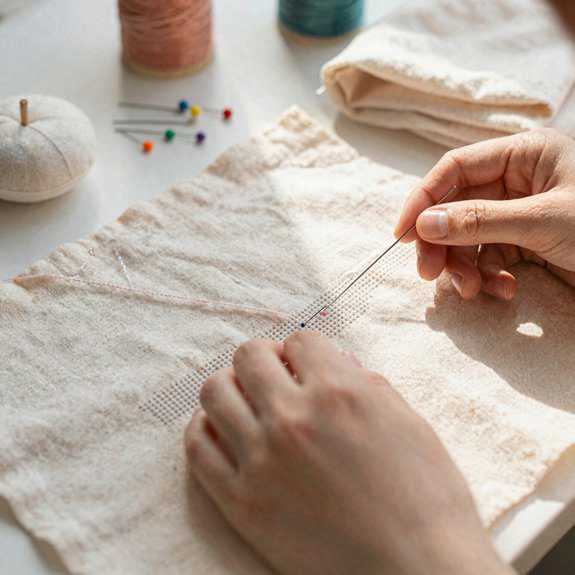
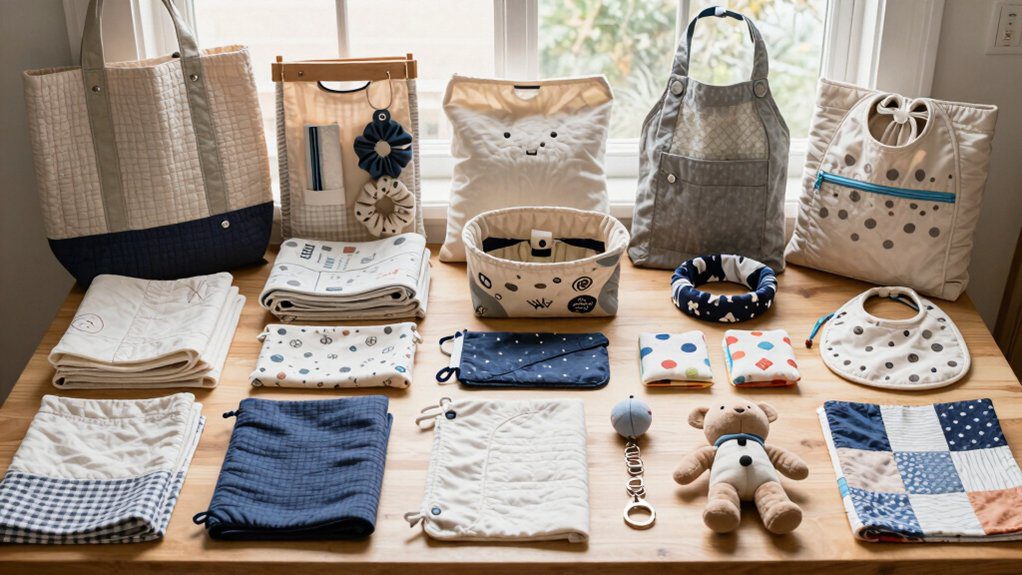
I love turning tiny fabric scraps into cute stuff you’ll actually use, and scrunchies are such a fun first pick because all you need is soft stretchy fabric, elastic, and a few straight stitches.
If you’re after something even more practical, I’d also make small storage bags with two simple fabric pieces and a drawstring, since they’re easy to sew and perfect for tossing in earbuds, coins, or all those mystery bits that collect in your bag.
Best part? Both projects are beginner-friendly, quick, and way more charming than anything store-bought!
Scrunchies
If you’re looking for a fast, beginner-friendly project that actually gets used, scrunchies are such a fun place to start! I make them from soft jersey scraps, and they feel like little wins for your hair and your confidence.
For fabric pattern practice, I like bright prints; for quick ribbon styling, I grab subtle tones.
- Cut a strip of fabric.
- Sew it into a tube.
- Thread in elastic.
- Close the ends by hand.
I only need fabric, elastic, a needle, and thread, so this stays cheap and simple.
A short running stitch works great, especially near the elastic opening.
The best part? You get a neat, stretchy scrunchie that matches outfits and makes you feel like part of the handmade club.
Tiny project, big cheer!
Small storage bags
For everyday clutter that needs a cute little home, small storage bags are a total win! I start with a drawstring pouch: two matching rectangles, or one folded piece, a few hand stitches, and a cord. It’s cheap, fast, and perfect for coins, chargers, or snack chaos.
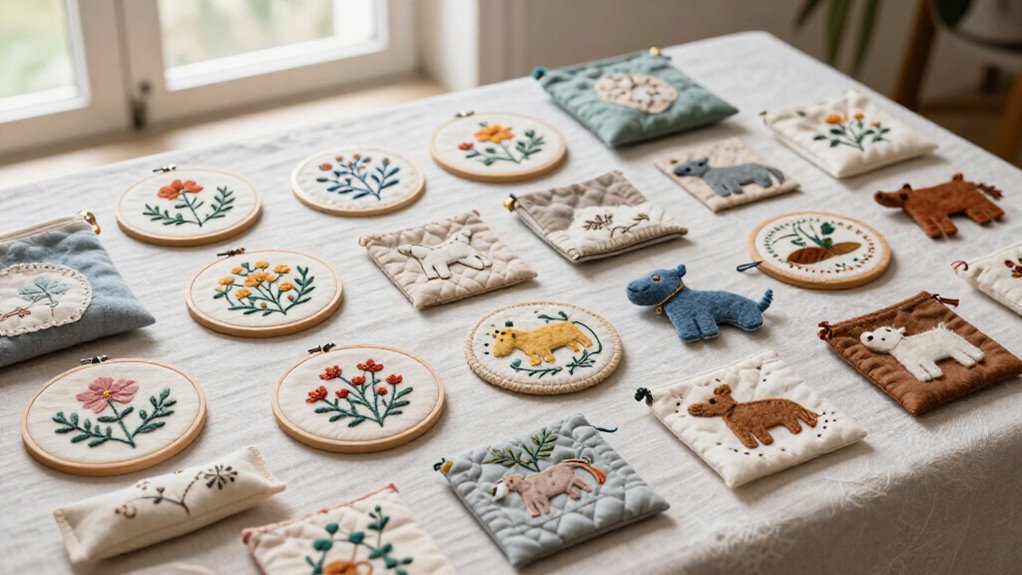
Need something safer? I make a tiny felt needle book with a fabric cover, so sharp needles tuck in neatly while I work. Then I stitch pincushion squares or circles, fill them, and close them up to organize tools on the go.
If I want extra personality, I repurpose scraps into fabric-covered buttons and label little cases. I like scrap-friendly sizes too, because they finish fast, keep me motivated, and build a stash that feels totally mine.
How to Choose the Right Fabric as a Beginner
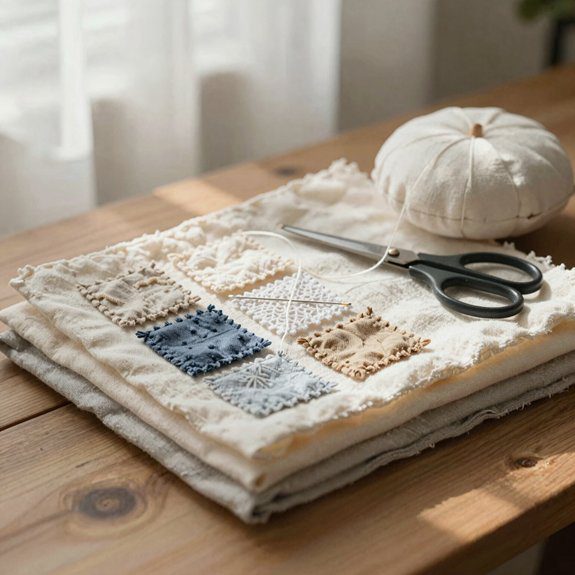
A good first fabric can make hand sewing feel like a win instead of a wrestling match! I stick with the Fabric thickness guide: medium-weight cotton feels friendly, steady, and easy to press. When I compare cotton vs blends, I still pick the one that holds shape best for neat stitches and less fuss.
- Choose quilting cotton first, because it behaves.
- Skip slippery synthetics; they slide like they’ve got plans.
- If you’re using scraps, try scrap matching tips: keep type and thickness alike.
- Do a beginner sewing test on a small piece; clean, even stitches mean you’ve found a keeper.
That’s my little fabric squad, and honestly, it makes you feel like you belong at the sewing table fast! Avoid heavy or super-thin cloth for now.
Simple Tips to Make Your First Projects Look Better
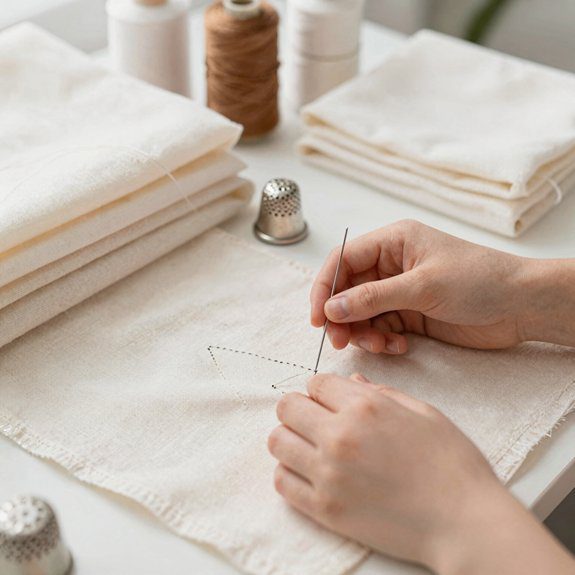
Tiny tweaks can make your first hand-sewn projects look so much neater, and I always start with the boring-but-brilliant stuff: cut straight, keep your seam allowance even, and use medium-weight 100% cotton or a cotton blend so the fabric doesn’t fight back.
I pick simple makes like a bookmark, drawstring pouch, or pin cushion, because straight seams show off your skills fast, wow!
For clean results, I check stitch placement often, choose sturdy thread selection, and press each seam as I go with Pressing techniques, even if that’s just a finger-press.
If a line wanders, I grab my seam ripper and fix it early, before it turns into a dramatic little mess.
Good seam finishing helps too, and honestly, practice beats speed every time.