21 Functional Air Dry Clay Projects for Everyday Use
You can make 21 useful air dry clay projects for daily life, from coasters and trinket dishes to earring holders, ornaments, clocks, and tiny storage helpers. Grab clay, water, a sponge, and simple tools, then shape, smooth, dry 24–48 hours, sand, paint, and seal. It’s cheap, beginner-friendly, and honestly kind of addictive! Start with easy bowls and holders, then save the cleverest little organizer idea for last—it’s a neat surprise.
Love cozy DIY projects? 💕
Get free printable guides, exclusive tutorials & surprise craft goodies straight to your inbox.
Disclosure: This post may contain Amazon affiliate links, at no extra cost to you. Content on DiyCraftNest is created with research support from AI tools and carefully reviewed, edited, and fact-checked by the lead author, Daniel Pat, to ensure accuracy and reliability. Learn more
Key Takeaways
- Air dry clay is beginner-friendly, non-toxic, and needs no kiln, making everyday functional projects easy to start.
- Essential supplies include water, a sponge, brushes, rolling tools, molds, and sandpaper for shaping, smoothing, and finishing.
- Practical projects include coasters, trinket dishes, bowls, ring holders, jewelry trays, and photo or card stands.
- Decorative utility pieces like wavy painted bowls, flower coasters, and textured holders combine function with custom style.
- Dry pieces 24–48 hours, then sand, paint, and seal with varnish or acrylic for durability and a polished finish.
Why Air Dry Clay Is Great for Beginners
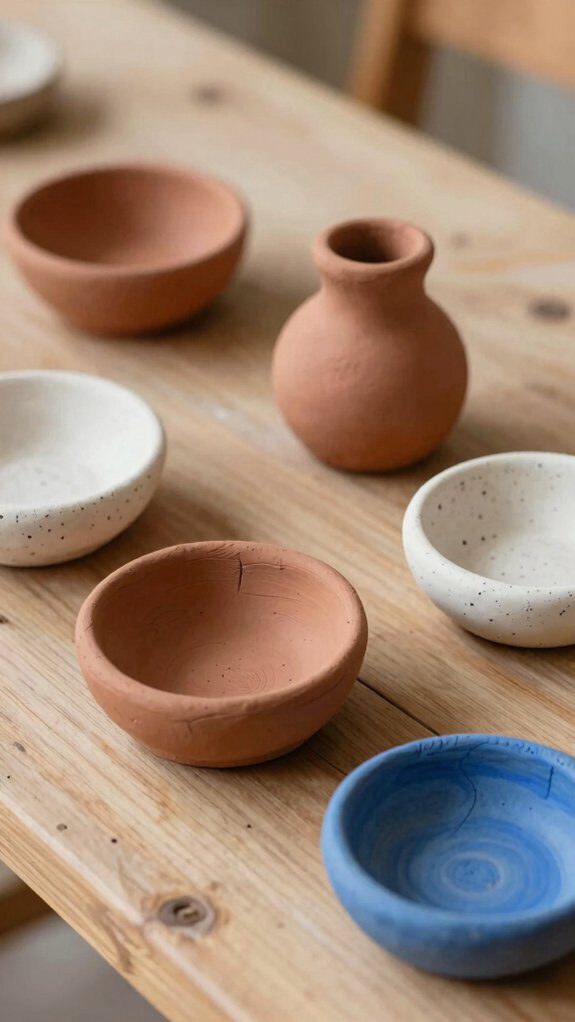
If you’re brand-new to clay, air dry clay is a fantastic place to start because it’s non-toxic, easy to handle, and doesn’t ask for any elaborate oven or firing setup—thank goodness!
You can shape it with your hands, add water for easy smoothing, and try beginner troubleshooting without feeling stuck.
It dries on its own in about 48 hours, so curing time tips matter when you want results fast.
Keep practicing air bubbles prevention, then try smooth surface finishing for a polished look.
Best part? You can pause, wrap leftovers, and come back ready to make something cool!
Basic Supplies for Air Dry Clay Projects
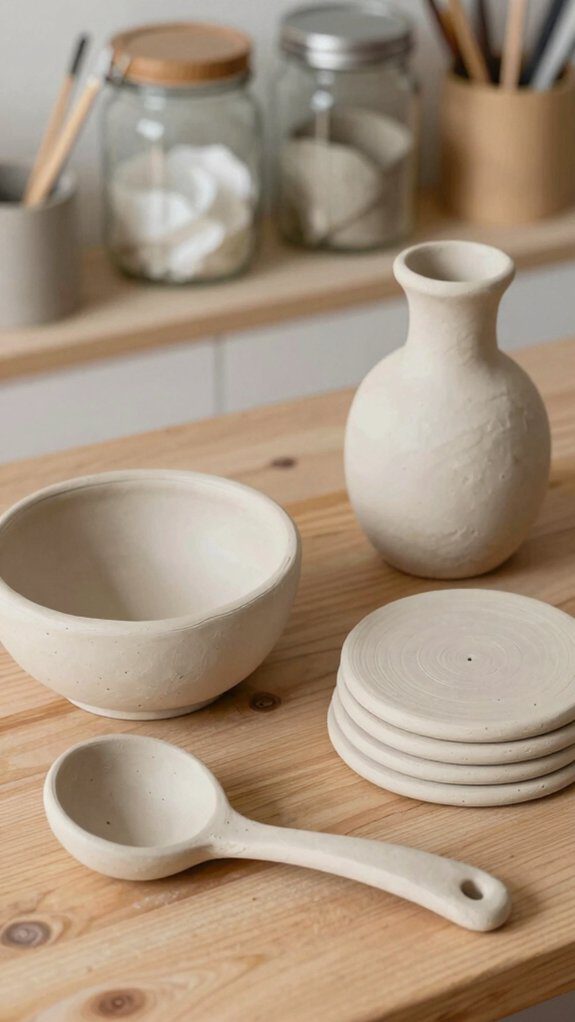
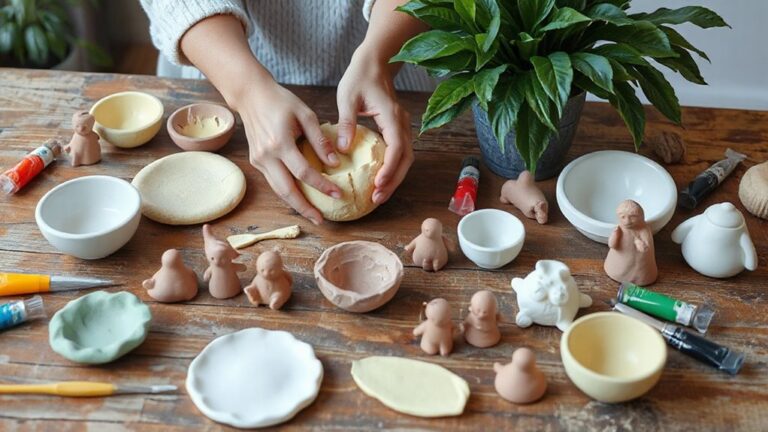
You’ll want a few basic tools ready, like air dry clay, a small bowl of water, a sponge, and a soft paintbrush, because they help you smooth, shape, and clean up those little “oops” moments!
For color and protection, grab acrylic or water-based paints plus a varnish or glaze-style sealant, so your finished piece looks neat and lasts longer.
And don’t forget a craft knife, rolling tools, molds, texture tools, and some sandpaper after drying, since those handy extras make your project easier to cut, polish, and turn into something that actually works!
Essential Clay Tools
At the start of any air dry clay project, a few basic tools can make the whole process feel way less messy and a lot more fun!
You’ll want air dry clay, water for slip, a sponge, and a soft paintbrush for blending seams and cleaning edges.
Keep your tool storage simple, and practice sponge maintenance so your gear stays ready.
A rolling pin helps you make coasters or trays nice and even, while a craft knife trims clean lines.
If you like texture, grab rubber stamps.
After drying 24–48 hours, sandpaper smooths rough spots, and you’ll feel like a clay pro!
Paints And Sealants
Once your air dry clay piece has fully dried, paint can bring it to life fast—acrylics and other water-based paints stick well, dry quickly, and make everything from tiny bowls to cute trinket dishes look polished in no time!
You’ll get the best finish when you wait through proper drying times, then add color blending for soft fades or bold pops.
Want extra flair? Try gentle Texture techniques with your brush, then clean tools with water before the paint sets.
Finish with a clear varnish or thin glaze, and your piece’ll handle daily scuffs better—pretty handy for something so easy!
Molds And Texture Tools
Even simple molds and texture tools can make air dry clay feel way more polished, and honestly, that’s where the fun really starts!
You can grab rubber stamps, cookie-cutters, or a rolling pin to flatten clay, add patterns, and keep thickness even.
Try a bowl or glass as a mold for coasters, dishes, or little planters, and you’ll skip tricky sculpting.
For clean details, press tools into leather-hard clay, then lift straight up, that’s Texture tool timing.
If pieces need joining, use slip and smooth the seam, that’s Slip sealing basics.
After drying, sandpaper cleans edges, and wow, it’s ready to paint!
Make a Simple Clay Coaster
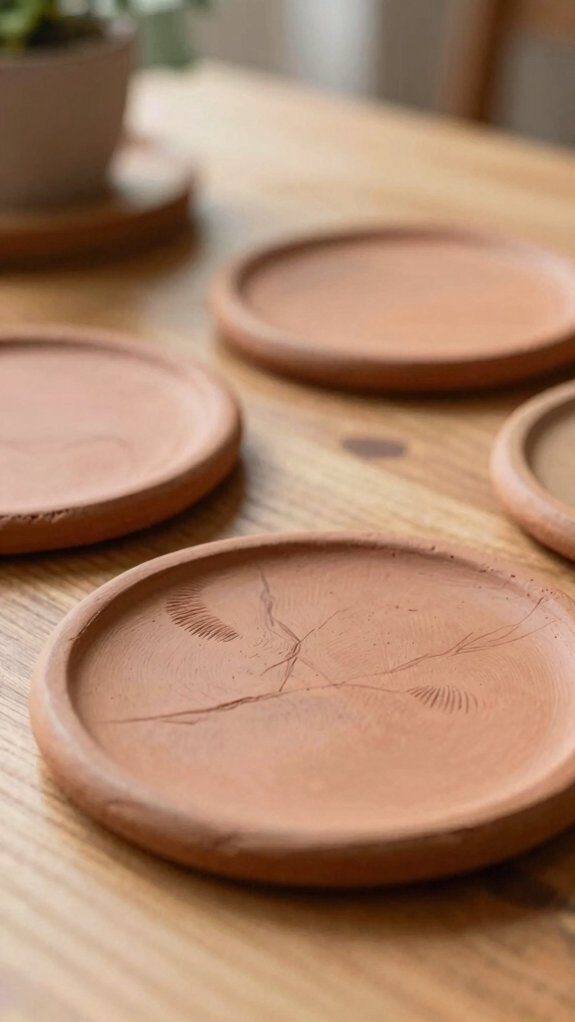
If you want a quick DIY that’s useful and actually looks cute on your table, a simple clay coaster is a great place to start! Roll clay into a 0.5–1 cm slab, then cut a circle, square, or heart with a cup, lid, or craft knife. Smooth the edges, add a tiny rim, and you’re already in the club.
| Step | Why it helps |
|---|---|
| Flatten slab | Even drying |
| Cut shape | Clean look |
| Smooth edges | No sharp bits |
| Dry flat | Less warping |
| Seal later | Better protection |
Coaster drying time is usually 24–48 hours. Try sealing coat options like acrylic paint or water-based varnish—your mug’ll thank you!
Shape Charming Flower Coasters
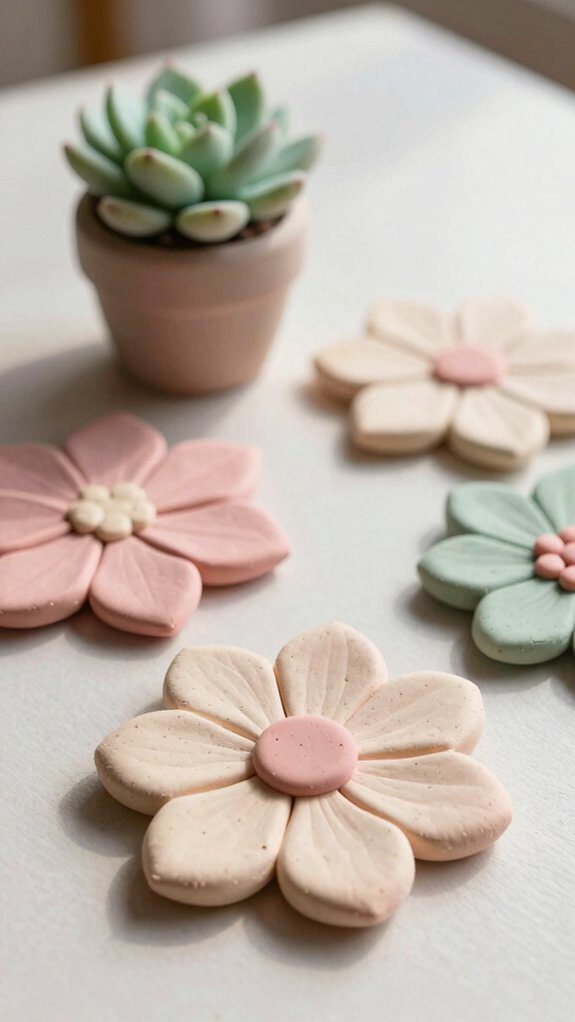
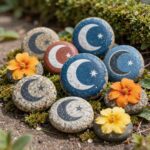
You can roll out small, even slabs of air dry clay, cut neat circles, and smooth the edges so your coaster sits flat and looks polished—easy, right? Then add the charm by pressing in petal shapes or little flower details, using a simple stamp, a leaf, or even your fingertips for a sweet handmade look.
If you want them to feel extra giftable, try different colors or soft painted accents, because a tiny flower coaster can go from “cute” to “wow, you made this?!” in no time.
Easy Rolling Technique
First, knead your air dry clay until it feels smooth and soft, then roll it out to an even 3–5 mm thickness with a rolling pin—nothing elaborate, just steady pressure and a lightly dusted surface or tiny bit of water to keep the clay from grabbing onto everything like a stubborn toddler!
- Surface leveling keeps your coaster flat, so it sits nicely on tables.
- Thickness consistency helps it dry evenly and feel sturdy.
- Moisture control makes cutter cleanup easier and stops rough spots.
Use a round cutter, then press your flower stamp while the clay’s soft. You’ll get a neat, friendly coaster that’s easy, cheap, and fun!
Petal Shape Details
With your clay rolled smooth and even, it’s time to give that plain circle some personality—hello, flower petals!
Cut 6–8 petal shapes with a craft knife or cookie cutter, then score the edges and dab on a little water so they hug together like teammates.
Curve each petal up with your fingertips for a sweet 3D look, and smooth the underside with a damp sponge.
Add gentle vein lines if you want extra charm.
Let everything dry about 48 hours, then paint, and try Resin sealing tips or Food safe finishes if you’re making decor that lasts.
Giftable Color Variations
Once your flower coasters are fully dry, the fun really kicks in—because color can turn a cute clay shape into a whole gift set!
You can mix acrylic or water-based paints, then seal with varnish for a smooth, friendly finish. Texture tool tips add tiny petals and grooves, making each one feel personal.
- Paint one pastel set for a calm vibe.
- Try bold colors for a happy pop.
- Let everything cure fully—see varnish curing tips—before stacking.
You’ll get a polished bundle that feels thoughtful, costs little, and looks like you made it with your favorite people in mind!
Create a Trinket Dish
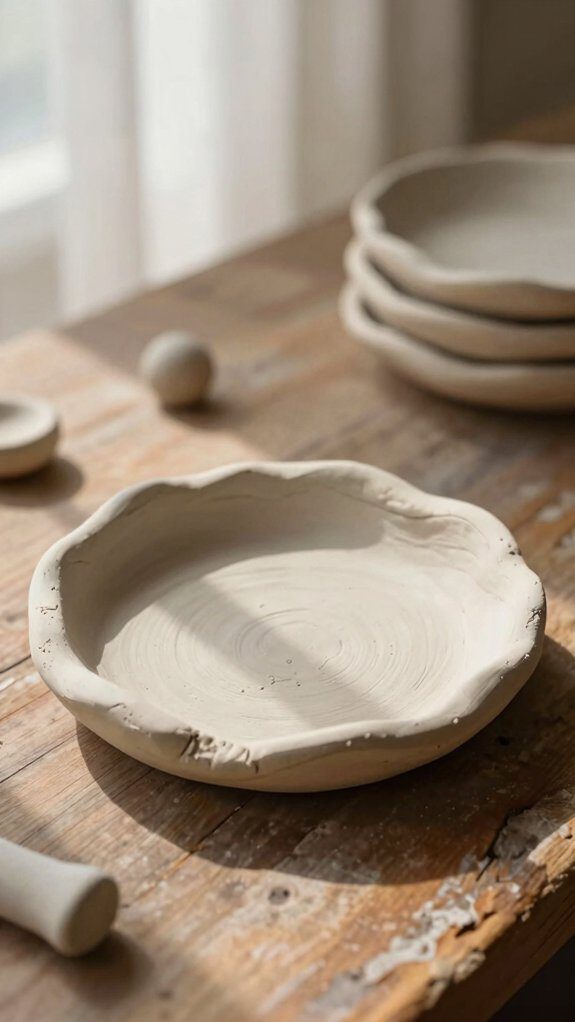
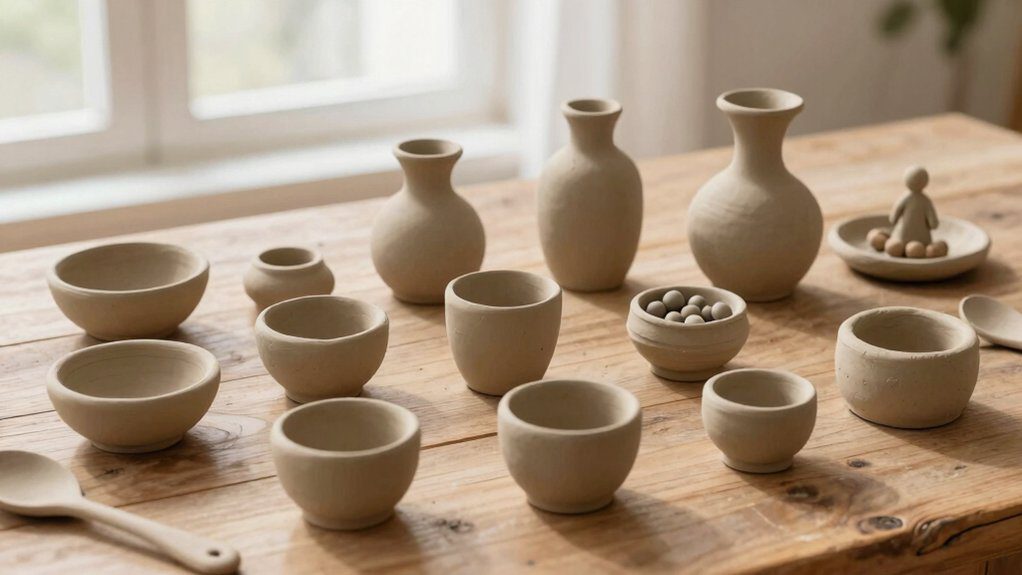
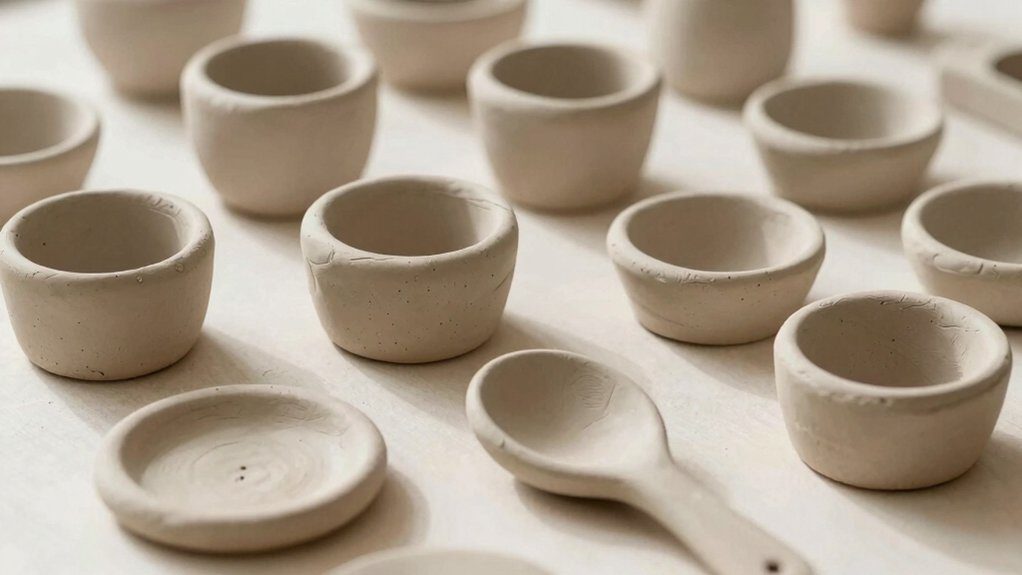
A trinket dish is one of the easiest air-dry clay projects you can make, and it’s actually pretty useful too! Roll clay into a shallow bowl or disk, smooth the rim with a damp sponge, and you’ve got a neat little spot for rings, keys, or tiny treasures.
| Step | What you do |
|---|---|
| 1 | Shape clay |
| 2 | Use a mold |
| 3 | Smooth edges |
| 4 | Dry flat 24–48 hours |
| 5 | Paint and seal |
Keep water light, let it dry fully, then add acrylics for simple surface finishing, or give it creative gift presentation. Felt lining helps, and your crew will love it!
Try a Wavy Painted Bowl
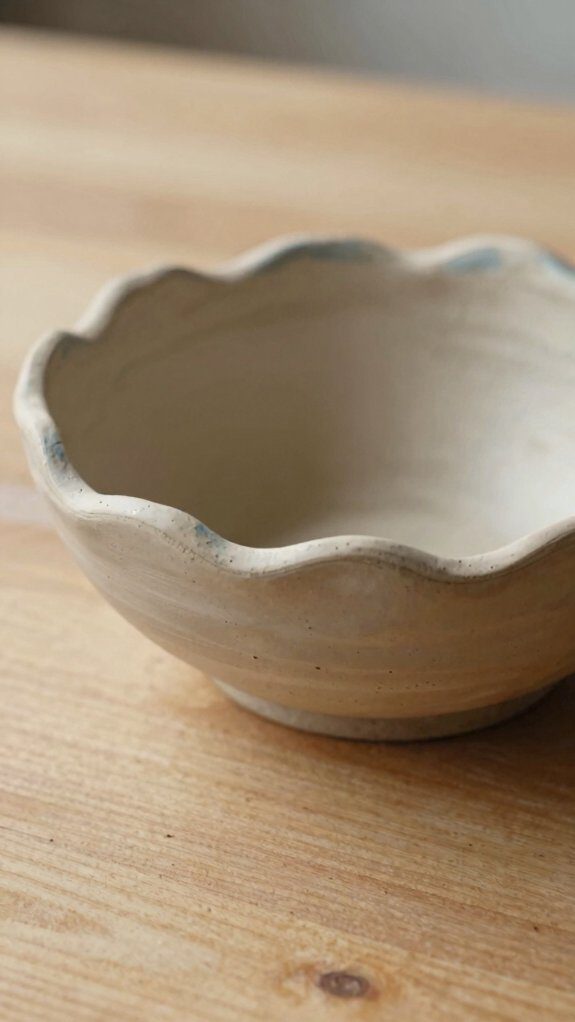
Try a wavy painted bowl for an easy shape that looks gorgeous without acting fancy—just smooth your clay into a shallow bowl, then nudge and curl the edges for that fun, rippled look.
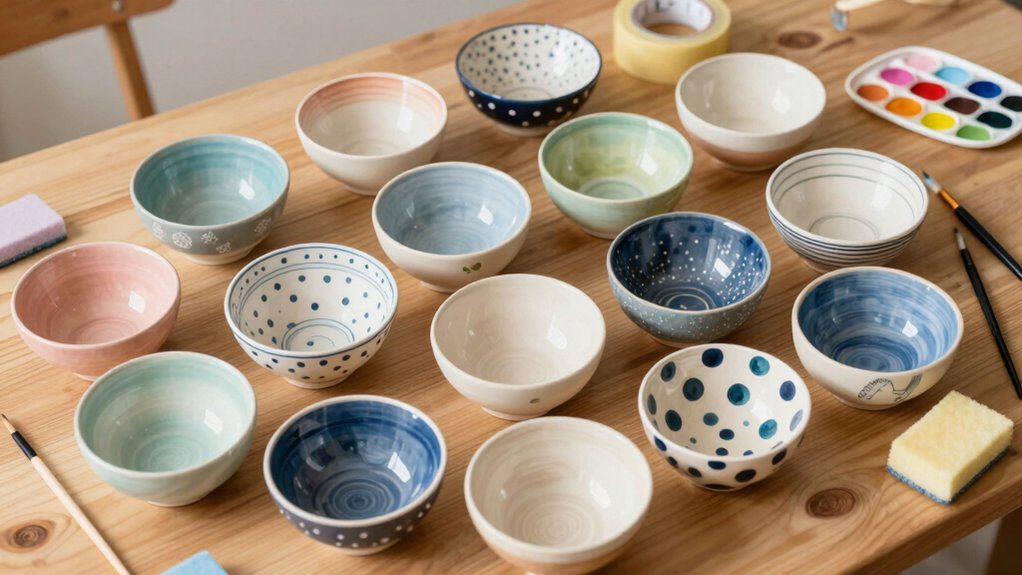
Once it’s dry, you can have a blast with bright acrylic colors and layered brushstrokes, and thin coats keep those wavy ridges sharp instead of muddy.
Best part? It works as a cheerful catch-all for rings or spare change, so your little clay project actually earns its spot on the table!
Easy Wavy Shape
Soft waves can turn a simple bowl into something that looks handmade in the best way! You’ll roll air dry clay into an even sheet, drape it over a bowl form, and pinch the rim every few inches for that friendly, wavy edge.
- Keep Safety and Thickness in mind, so the sides stay sturdy.
- Smooth marks with a damp sponge, then fix tiny cracks right away.
- For Drying and Cracking, let it rest flat, in shade, for 24–48 hours.
After it’s dry, paint it and seal it if you want a tougher everyday bowl.
Paint Color Play
Once your wavy bowl is fully dry, it’s time for the fun part—paint color play! Grab acrylic paints, a small brush, and a cup of water, then smooth the surface with a light sand if needed.
Start with one shade, or jump into color mixing for a custom look that feels totally yours. Paint wavy bands around the bowl, changing pressure as you go to build crisp lines and playful texture. Let each layer dry for a few minutes so the colors stay sharp—no accidental tie-dye surprises!
When you’re done, seal it for a polished finish.
Functional Catch-All Use
Because it’s both pretty and practical, a wavy painted bowl makes a super handy catch-all for everyday stuff!
You’ll join the cozy DIY crowd fast, and it’s easier than it looks.
- Roll out air-dry clay, press it over a bowl mold, and pinch the rim into soft waves.
- Smooth it with a damp sponge, patch cracks with clay-and-water paste, then follow safe drying tips: dry 24–48 hours, longer if it’s humid.
- After Beginner friendly finishing, paint it with acrylics, then lightly sand and add details.
The wavy edge grabs rings, keys, and spare change—tiny clutter, tamed!
Build a Ring Holder
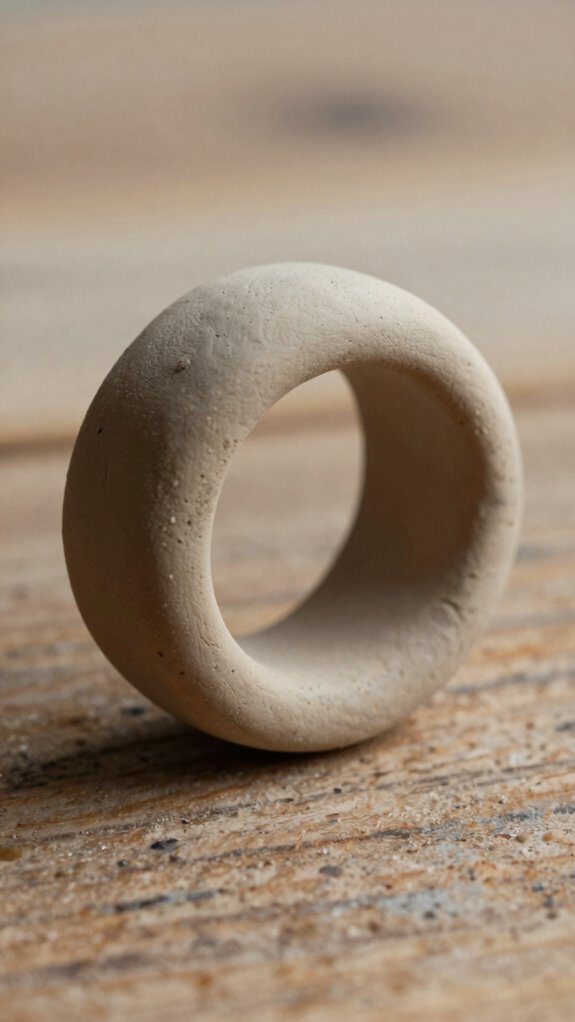
If you want a tiny project that’s cute, useful, and weirdly satisfying, build a ring holder from air dry clay!
Roll clay into a small cone or rounded bowl, keep the thickness even, and smooth pinch points with a little water and clay paste.
Let it dry for about 48 hours until it’s hard all the way through, so it won’t crack later.
Then sand any rough spots, add paint if you like, and finish with varnish for sealant durability.
That polished touch helps with ring cleaning too, and your desk suddenly feels a bit more like your space!
Make a Jewelry Tray
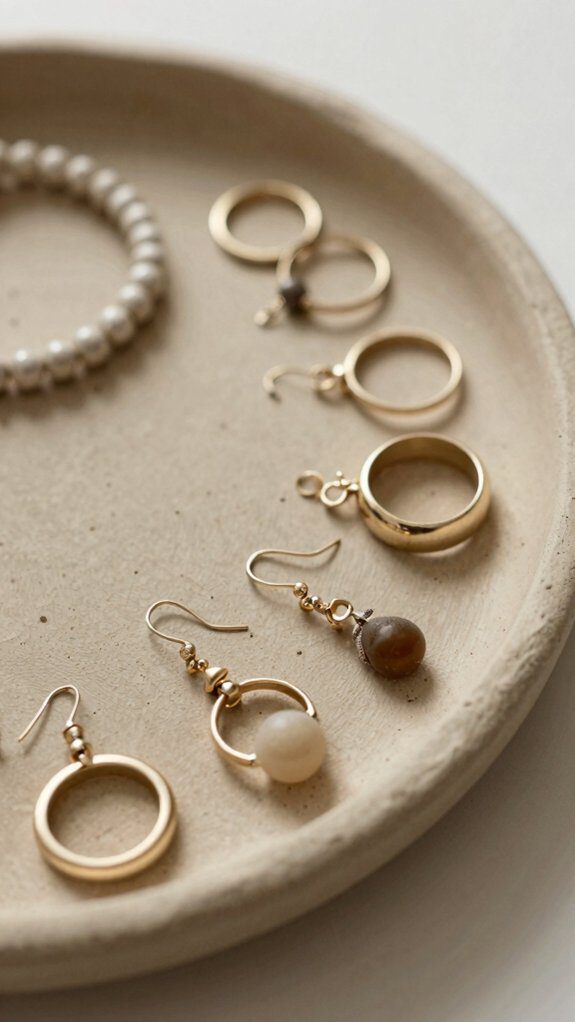
A jewelry tray is one of those tiny clay projects that feels glamorous without being fussy, and you can make it with just a little air dry clay and a few simple tools! Roll your clay flat, then lift soft edges so your rings and studs stay put. Use a damp sponge to smooth bumps and fix wonky spots—great Design troubleshooting tips when the shape gets a little dramatic.
- Press and shape
- Dry 24–48 hours
- Paint, seal, and enjoy
After it cures, tuck it on your bedside table.
For Storage and transport tips, keep it away from soaking water, so it stays cute and sturdy!
Craft a Modern Photo Holder
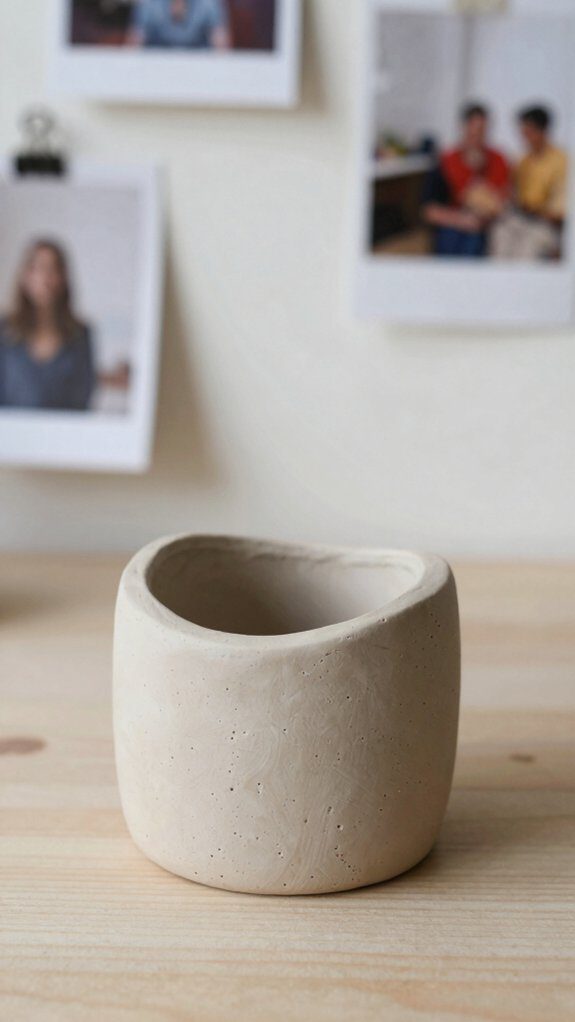
You can start with a simple base shape, like a clean arch or rectangle, and it only takes a flat slab of air-dry clay to get going—easy, right?
Next, cut a small slot or back lip so your photo stands up securely, then smooth the edges and add tiny texture marks for a modern look with a little personality.
After it dries, paint it in your favorite colors and seal it up, so you’ve got a handmade holder that looks cute on a desk and actually stays put!
Simple Base Design
For a clean, modern photo holder, start with a smooth slab of air dry clay and keep the shape simple—fancy is fun, but this little base is all about looking neat and doing its job!
- Roll it flat, then trim the sides straight with a craft knife, so your piece feels polished and easy to love.
- Press a photo corner or slim cardstock into the front for a crisp notch, and use Texture tool tips to keep the surface tidy.
- Pinch a tiny ridge at the back, then trust drying time tricks: let it rest uncovered on parchment for about 48 hours. Nice!
Slot For Photos
Now that your base looks neat and polished, it’s time to give it its real job: holding a photo without wobbling like it’s late for a meeting!
Roll clay into a slab, shape a raised back, and leave a slim front slot for your picture.
Keep the opening crisp and the clay about 2–5 mm thick so your card slides in cleanly.
Use a sponge and a little water to smooth seams, plus score + paste if you attach extra pieces.
After 48 hours of drying, try Photo Slide Testing, then add Textured Edge Techniques for a stylish, shared-your-vibe finish.
Paint And Personalize
With the clay fully dry, your photo holder finally gets its glow-up! Sand it lightly, then paint on acrylics or water-based colors that fit your space and style.
- Brush on one bold color for a clean, modern vibe.
- Try Texture stamping before drying, or add tiny clay accents after, for extra charm.
- Seal it with clear varnish once the paint cures, so it lasts longer.
Keep these dry time tips in mind: 24–48 hours is usually right, and a slight back angle helps it stand steady. Now your shelf buddy feels custom, cozy, and totally yours!
Design a Card Stand
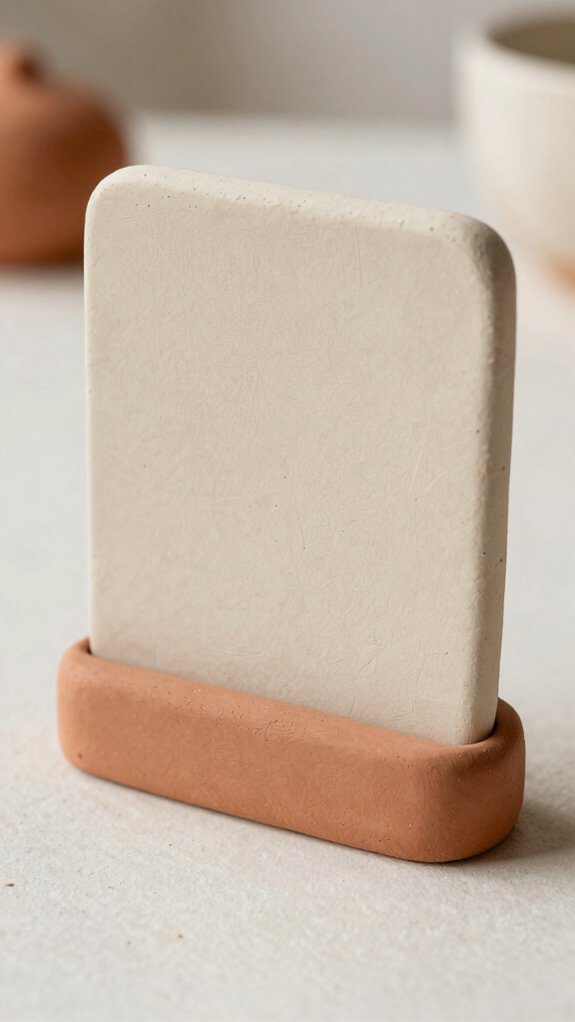
A card stand is one of those tiny projects that looks pretty but is actually super doable, and air dry clay makes it easy to shape something sturdy and cute!
For textured backboards, roll a base about 1–2 cm thick, then add a thin backboard and a 1–1.5 cm ledge or V-shape for card size fitting.
Smooth seams with a damp sponge, score joints lightly, and keep water low so nothing gets mushy.
Love color customization? Paint after drying.
Use drying time tips: let it sit flat, out of sun, for 24–48 hours.
Seal it for extra durability—hello, desk charm!
Shape a Tiny Magnet Vase
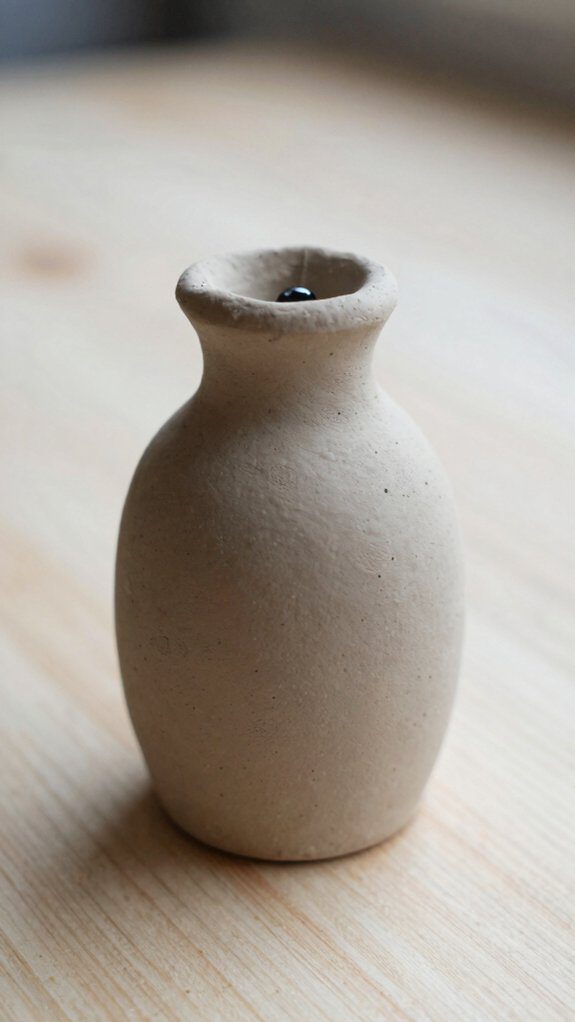
If you want a tiny project that looks adorable and actually works, a magnet vase is such a fun win! Roll air-dry clay into a 5–8 cm vase, hollow the center, and smooth seams with a damp sponge. Then add ridges or a leaf texture while it’s still soft.
- Press it onto a small magnet base, or glue one on the back.
- Use Beginner friendly drying methods: let it dry flat for 24–48 hours, and turn it once.
- Follow magnet placement tips, then paint after it’s dry.
Seal it for a sturdier finish, and enjoy your tiny buddy!
Make a Mini Planter Magnet
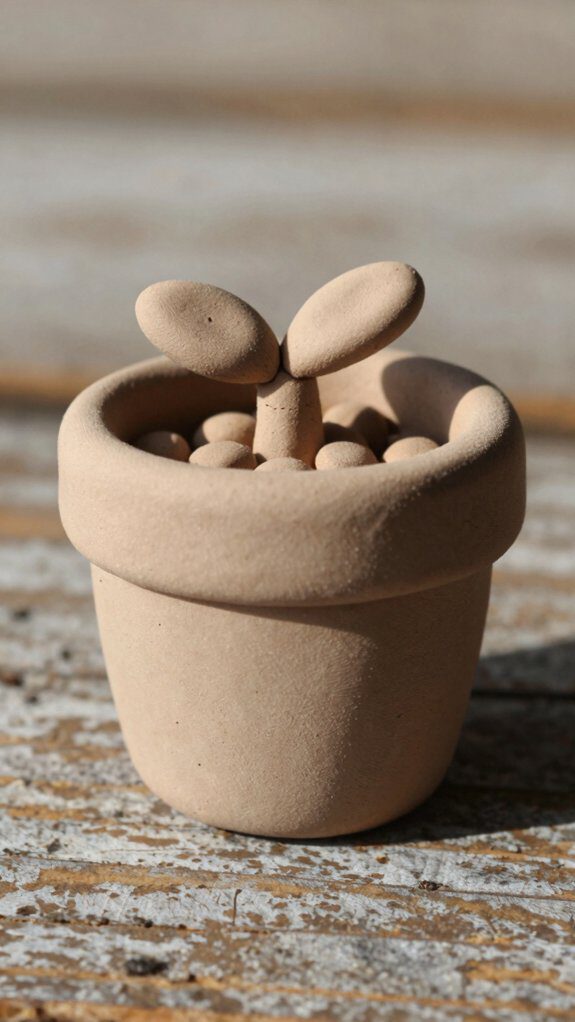
For a tiny planter that sticks right to your fridge, roll or pinch air-dry clay into a small slab, then shape the front into a mini pot about the size of a large coin—cute, right?
Press a magnet or strip into the back as you form it, using magnet placement tricks so it sits flat later.
Smooth the edges with a damp sponge, poke two little drainage holes, and let it dry 24–48 hours.
Add acrylic paint, then seal it with clear varnish; those Weatherproofing tips help if it’ll touch moisture.
Then attach the magnet firmly and enjoy your new mini home!
Create a Clay Salt Spoon
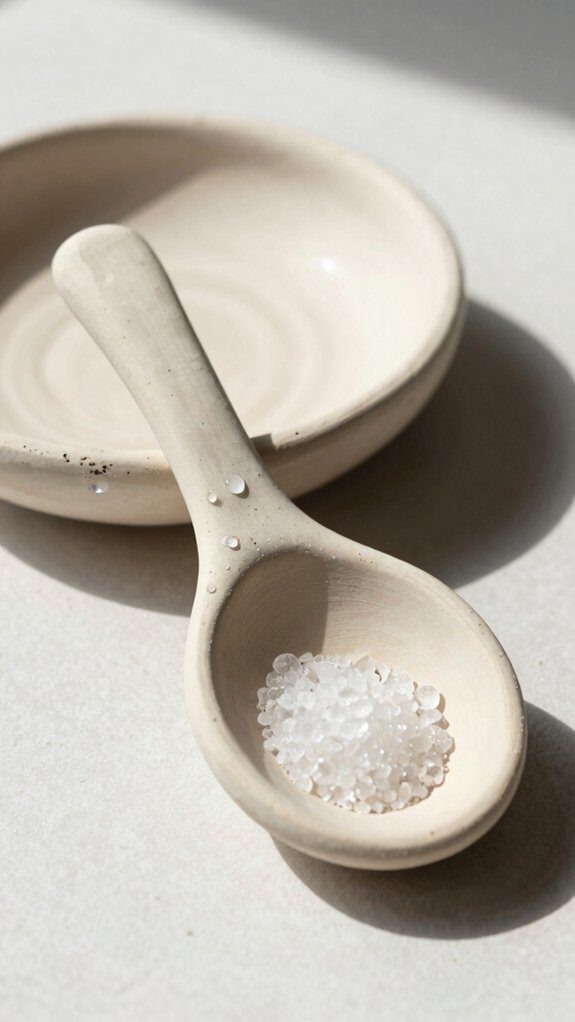
Once you start shaping air-dry clay into a tiny spoon, it’s surprisingly easy to make something that feels ornate without being fussy! You’ll roll a 5–7 cm oval, smooth it with a damp sponge, then add a tiny twist or groove so it looks special. Keep the bowl a bit thin, and let it dry in a breezy spot.
- Turn it once halfway for even drying.
- Follow Clay drying tips to avoid cracks.
- Finish with sanding and sealing for strength.
After 24–48 hours, your spoon’s ready for gourmet salt, and it makes a sweet gift with a little jar too!
Make Clay Drink Stirrers
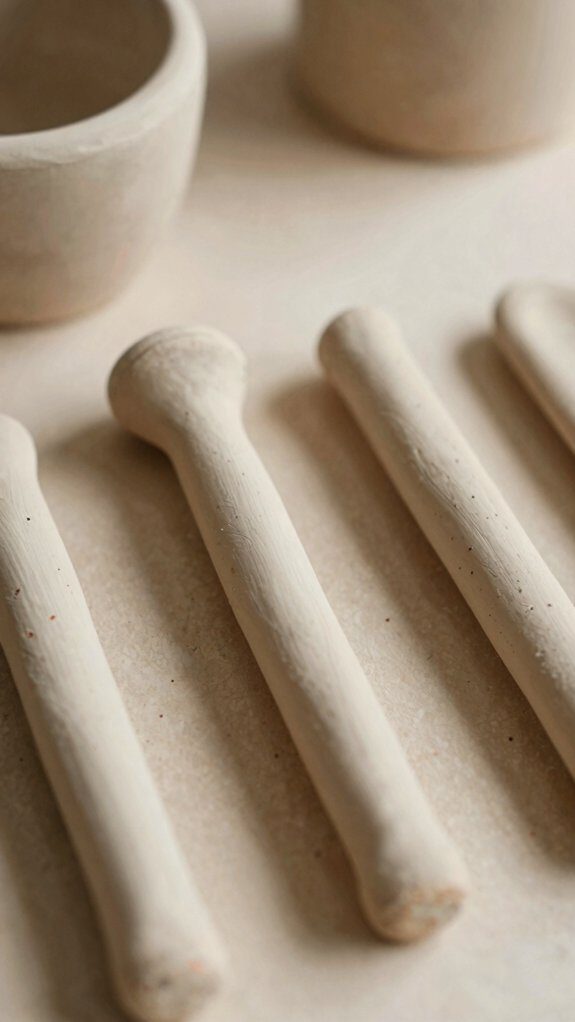
You can shape a small air-dry clay slab into cute little stirrers, then cut simple tong-like forms, smooth the edges, and score the sides so they’re easy to grip and easy on the eyes—so stylish, right?
Next, add a damp-sponge finish, then use a craft knife or toothpick to carve tiny grooves or patterns, and once they’re dry, paint them with bright acrylics for a pop of color that makes your drink look party-ready.
Let them air-dry fully, seal them if you want easier cleanup, and make a few extra pairs, because nothing says “fun host” like handing out clean, custom stirrers that don’t need a gold medal to mix lemonade!
Shape the Stirrer Design
A simple strip of air dry clay can turn into a surprisingly cute drink stirrer, and it’s easier than it sounds! Roll it to 3–5 mm, then wrap it around a stir stick for that cozy, wavy shape everyone loves.
- Smooth the seam with a wet sponge for clean seam blending.
- Trim the top into a rounded tip, then add tiny lines or dots for grip.
- Keep it thin for drying prevention, and let it dry 24–48 hours, turning once.
That little stretch of clay feels chic, and your crew will want one too!
Add Color And Pattern
After your clay stirrers are fully dry, it’s time for the fun part—adding color and pattern, and honestly, this is where they start looking like tiny party guests!
Grab acrylics or water-based paint, a thin brush, and a toothpick, then give each stirrer a light first coat so it won’t crack or pool.
Next, add dots, stripes, or marbling while the paint’s still fresh, and you’ll get cleaner pattern longevity.
Finish with glaze like topcoats, then follow the curing timelines on the label for colorfast sealing.
Once cured, they’ll look crisp, polished, and ready to join your favorite cups!
Bake-In-Style Party Use
When you want party decor that feels handmade but still looks polished, clay drink stirrers are such a fun little win! You can roll small paddles, smooth the edges with a damp sponge, and keep them about pencil-width. Let them air-dry 24–48 hours, with humidity control helping your dry time stay on track.
- Paint them with acrylics.
- Seal with clear varnish for condensation.
- Store them flat until party time.
You’ll end up with cute, themed sips that make your table feel like the hangout everyone wants in on. Tiny detail, big charm—boom!
Make a Clay Incense Holder
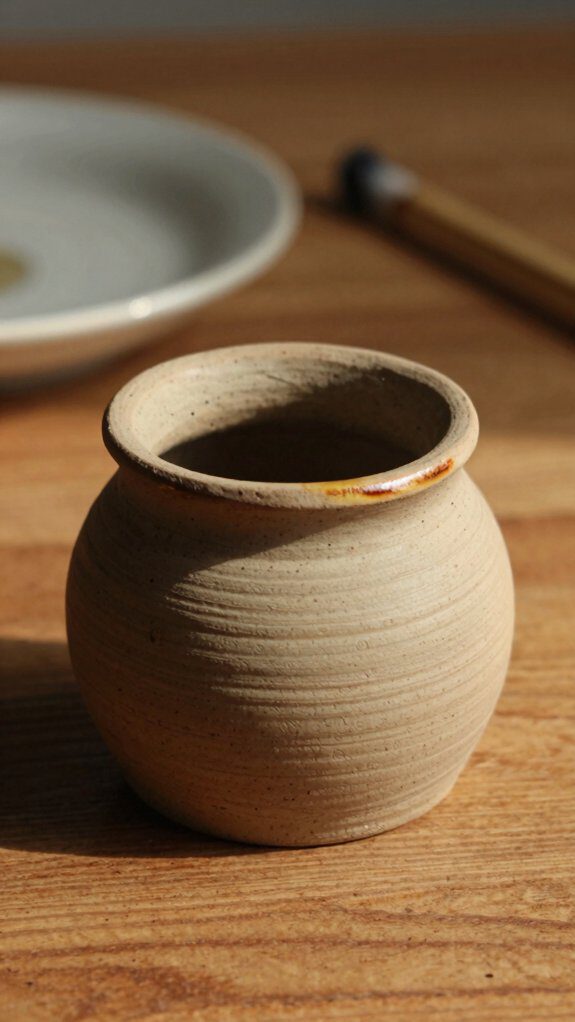
If you want a tiny project that looks cool and actually does something useful, a clay incense holder is a fun place to start!
You’ll need air dry clay, a little water, and your incense stick.
Roll a small base, carve a shallow channel, and press gently to keep it sturdy.
Add a tiny ash recess at the end, and keep heat safety in mind on a heat-safe surface with good smoke ventilation.
Smooth seams, let it dry 24–48 hours in a ventilated spot, turning it halfway.
Afterward, sand it, then paint or seal for easy cleanup.
Cute, simple, done!
Try a Candle Holder Design
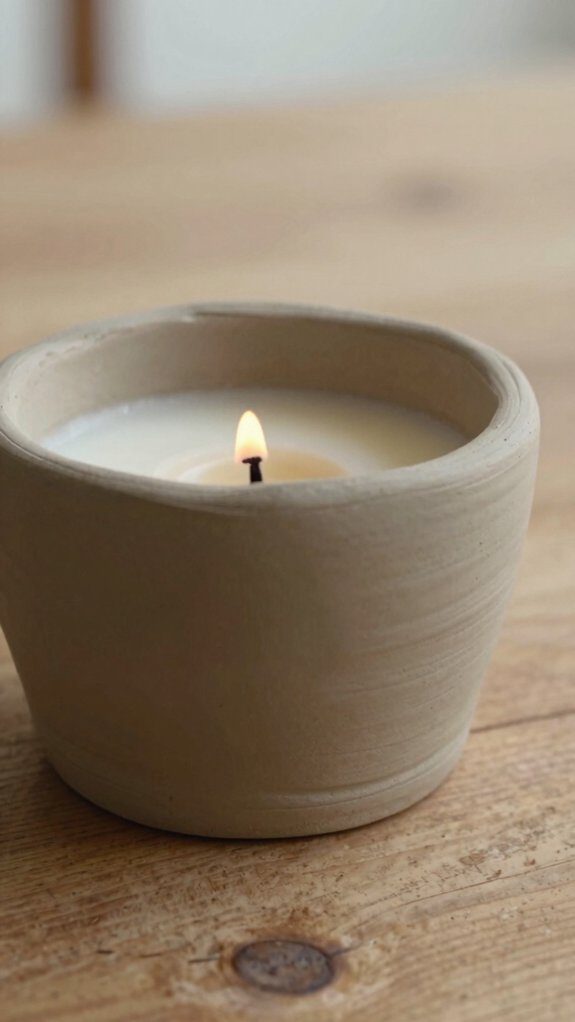
A candle holder is a great little project for trying out air dry clay, because you get something that looks stylish and useful without needing a huge pile of supplies!
- Roll clay into a sturdy base, about 5–8 mm thick, then smooth the edges with a damp sponge.
- Press a centered well with a pencil, bottle cap, or straw, and keep Candle sizing and safety gaps in mind.
- Let it dry 24–48 hours, sand lightly, paint, then seal with thin varnish.
You’ll love the cozy result, and yes, it’s beginner-friendly!
Build Chunky Book Ends
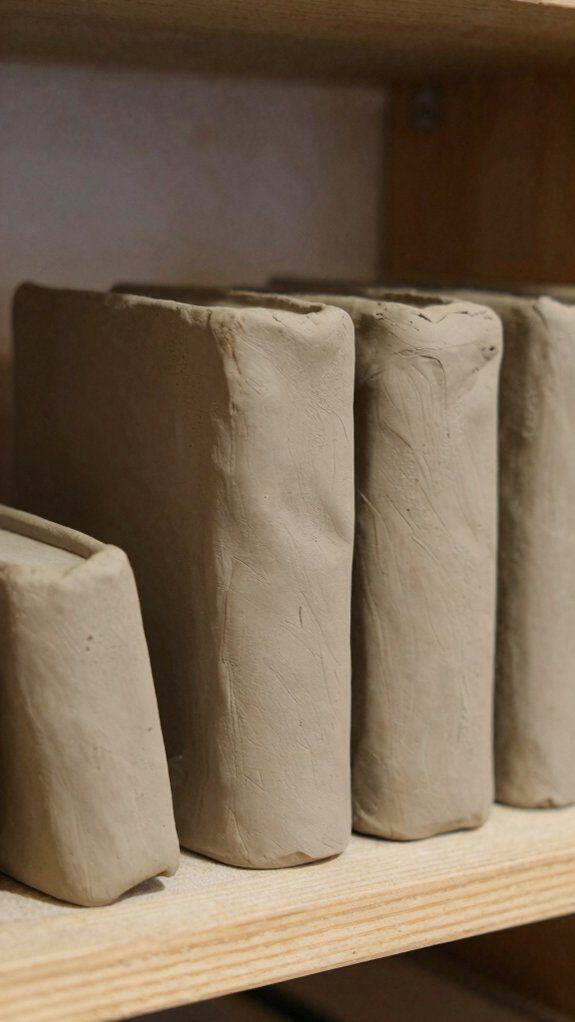
Book ends are the perfect next project after a candle holder, because they feel sturdy, useful, and way fancier than they actually are!
Roll air dry clay into chunky rectangles, carve soft rounded edges, and press in texture stamps for a cozy, custom look.
Score a little base strip onto the back with water, so your pair stays steady and doesn’t wobble on the shelf.
After 24–48 hours of drying, sand them smooth, then paint and seal for everyday handling.
Upcycling photo frames? Seasonal decor updates? Yep, these fit both.
They’re cheap, beginner-friendly, and they make your books look proudly organized!
Shape an Earring Holder
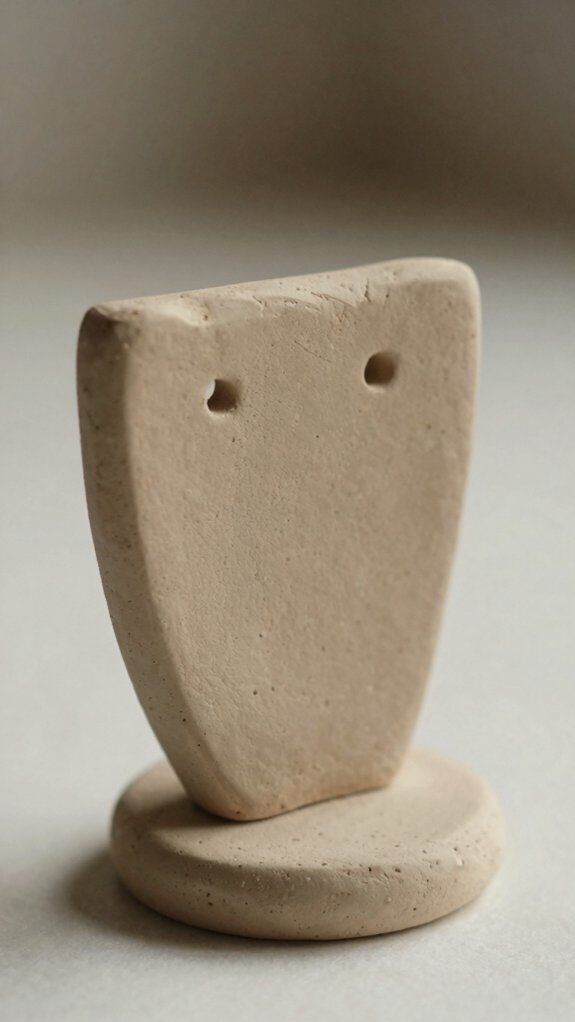
Once you’ve got the hang of simple clay shapes, an earring holder is a super handy next project! You only need air dry clay, a pencil, and a damp sponge, so it stays cheap and beginner-friendly.
Roll a small base, then shape low walls for an Earring rim design that keeps pieces from slipping. Press tiny divots or hooks for studs, hoops, and dangly pairs, spacing them neatly for your crew of sparkly friends.
- Smooth cracks lightly.
- Follow Air drying tips.
- Let it dry 48 hours, then paint and seal.
Cute, useful, and oddly satisfying!
Make Personalized Home Ornaments
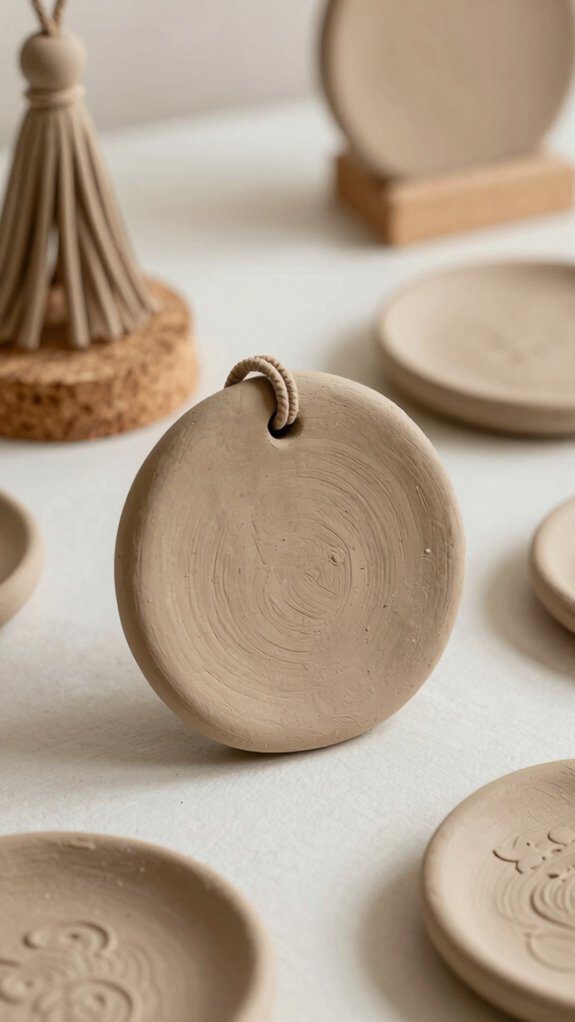
If you’re still in that happy “I can actually make this!” clay mood from the earring holder, you’re going to love these little home ornaments.
Roll, pinch, and shape simple house forms, then add tiny windows, a door, and a roofline with a craft knife and sponge smoothing.
Leave a loop or string hole while the clay’s soft, then dry the pieces in airy space for 24–48 hours.
After that, paint them for color matching, add a clear coat if you want, and enjoy easy tool cleanup.
Make a few sizes, share them, and you’ve got sweet keepsakes!
Make a Clay Clock
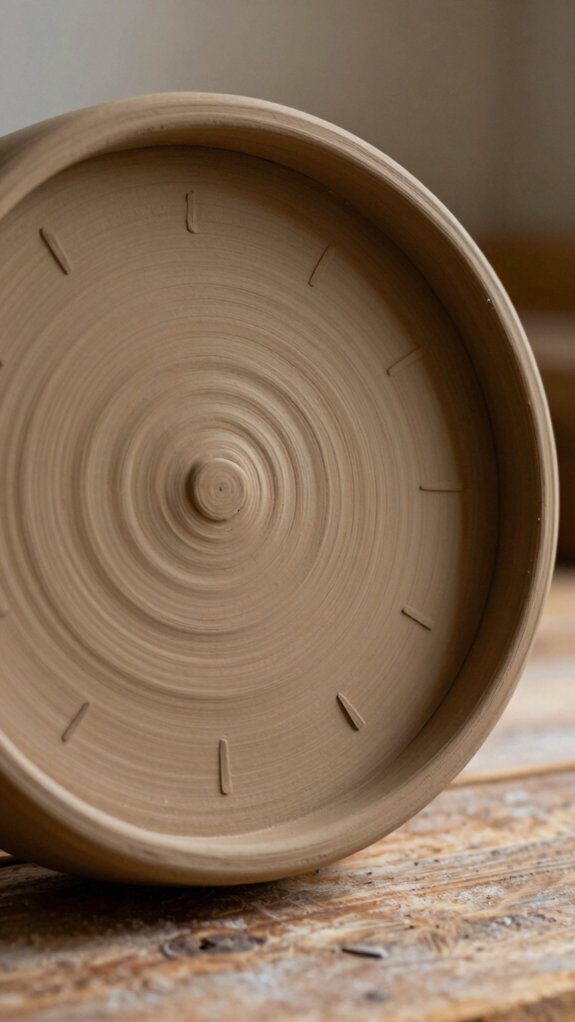
With a simple circle of air dry clay, you can make a clock that looks charming and totally custom! Shape it flat or domed, smooth the edges with a damp sponge, and press in a few textures so it feels like yours.
Let it dry about 48 hours, then drill a centered hole for the hands.
- Troubleshoot cracking by keeping the clay even.
- Fix uneven drying by turning it once.
- Add readable numbers with light marks or paint.
When you choose clock placement, pick a spot with low glare, and your new piece will feel right at home!
How to Paint and Seal Air Dry Clay
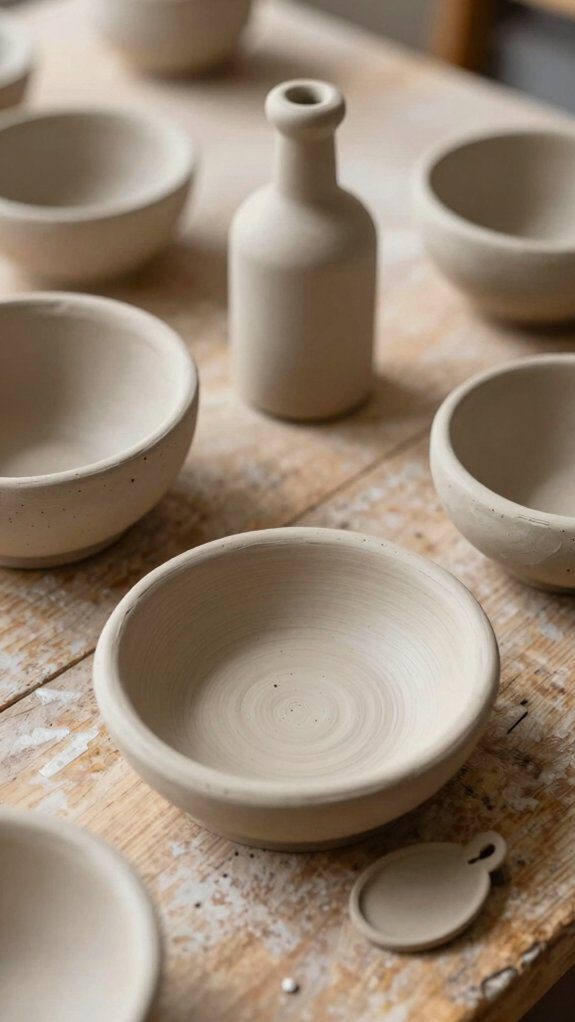
After your air dry clay piece is fully dry, give it a quick tune-up before the fun part begins—sand off any rough bits, wipe away the dust, and you’ve got a much smoother surface for paint to grab onto.
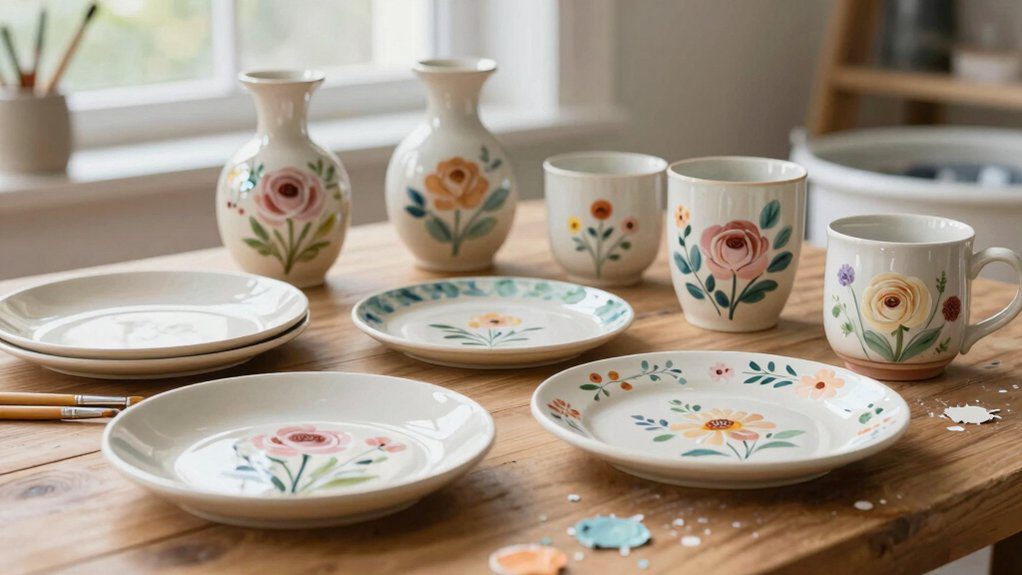
Pick acrylic or other water-based paints, then brush on thin coats so your design stays neat and crack-free. Let each layer dry fully, and if you’re Choosing Design Motifs, try simple dots or leaves first, then build up color.
Want more personality? Add Surface Texture Ideas with a sponge or dry brush.
Finish with a thin clear varnish.
It’s cheap, easy, and your piece’ll look polished—just don’t wash it!