What Makes a DIY Project Actually Worth Selling
A DIY project’s worth selling when people want it, not just when it looks cute! You need clear demand, a clean finish, and prices that beat your costs. Start simple: candles with one scent in plain jars, bath bombs for self-care fans, or wall art with names or quotes. Use easy materials, test on Etsy or Pinterest, and track profit after packaging and fees. The best wins often hide in plain sight—there’s more to spot next.
Love cozy DIY projects? 💕
Get free printable guides, exclusive tutorials & surprise craft goodies straight to your inbox.
Disclosure: This post may contain Amazon affiliate links, at no extra cost to you. Content on DiyCraftNest is created with research support from AI tools and carefully reviewed, edited, and fact-checked by the lead author, Daniel Pat, to ensure accuracy and reliability. Learn more
Key Takeaways
- It has real buyer demand, not just a cute look.
- It can sell for more than materials, packaging, fees, and labor.
- It looks polished with strong finish, clean labels, and gift-ready presentation.
- It solves a clear need or works well as a personalized gift.
- It is simple to repeat in batches without quality or waste problems.
Why Most DIY Projects Don’t Sell
A lot of DIY projects don’t sell because they look like things buyers can already grab anywhere, so your candle, soap, or bracelet needs a clear reason to stand out—otherwise, it’s just another item in the crowd!
You can also run into trouble when your materials or finish don’t match the price, since messy labels, weak scents, or brittle edges make people pass fast.
And here’s the sneaky one: if you price it wrong or skip a real audience, even a cute project can sit there like a wallflower at a dance.
Lack of market demand
Why do so many DIY projects flop even when they look adorable on your craft table? Because cute doesn’t equal demand, friend!
Before you stock up, do buyer validation and demand testing, so you know real people want it.
- Candles: make 1 unique scent, simple jar, test on Etsy.
- Bath bombs: mix, mold, sell for self-care fans.
- Soap: use basic melt-and-pour, aim for steady household use.
- Jewelry: try tiny batches on eBay for niche buyers.
- Stickers: design fast, list where traffic already exists.
If buyers don’t already gather there, your “great” idea can sit lonely forever.
Poor material choice
On top of that, poor material choice can make even the cutest DIY project look cheap the second someone sees it online.
If you use rough wax, unsealed paint, or flimsy supplies, buyers notice fast, and they won’t feel like your piece belongs in their home.
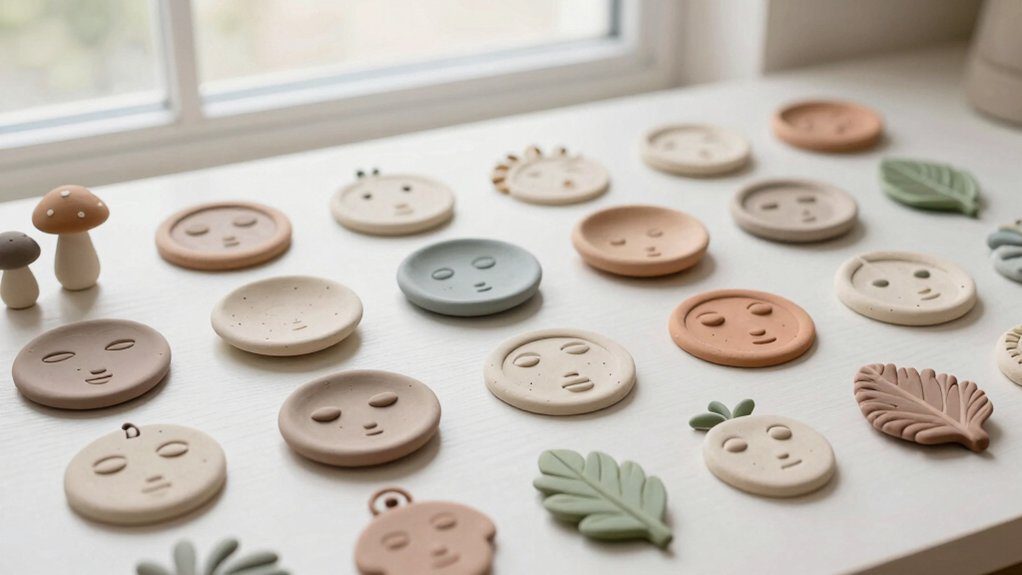
Try candles with quality oils, sealed coasters, or clay trinket dishes, then test them in Product Testing before listing.
Use simple materials, but pick ones that feel sturdy and gift-ready.
Good Packaging Quality helps too, because buyers love opening something that looks cared for.
In crowded shops, better materials help you stand out, not blend in!
Weak visual appeal
Even if your DIY uses solid materials, it can still flop if it looks a little too “made in the garage” at first glance! When buyers scroll through crowded shops, they want to feel instant connection, not confusion. Strong photo styling and brand consistency help your piece look polished, clear, and part of a group they’d be proud to join.
- Show scent, color, and style fast
- Use clean labels and neat packaging
- Add a finished touch, like sealant
- Keep sizing easy to read
- Hide messy lines and uneven dye
That little polish? It says, “you belong here!”
Pricing mistakes
A lot of DIY projects miss the mark because the price tag gets guessed instead of calculated, and that’s a sneaky little profit-killer! You may see $7 candles or $5 soap bars and think, “Easy money,” but unit economics says otherwise.
Add packaging, labels, fees, shipping, and time accounting, and that tiny margin can vanish fast.
If you’re making bath bombs, candles, or jewelry, start with real costs, then compare similar listings so you don’t drift too low or too high.
Buyers want value, but they also spot standouts, so add a unique twist, like scents, initials, or a polished finish.
Key Elements of a Sellable DIY Product
You want your DIY product to work well first, look great second, and feel sturdy enough that people trust it the moment they see it, whether it’s a custom candle, a quirky coaster, or a bath bomb that doesn’t crumble like yesterday’s cookie.
Keep the materials simple, the steps easy, and the finish clean, because buyers love something that feels gift-ready and polished, not handmade in a “good luck with that” way.
And here’s the kicker, durability can be the deal-maker, so if your item survives shipping, handling, and a real day of use, you’re already ahead of the pack!
– Functionality first
You want DIY items people can actually use every day, not just admire on a shelf, so think coasters that protect a table, tote bags that carry groceries, or a mug that’s ready for morning coffee—easy win!
Make sure the build works for real life, too, with things like sealant, sturdy stitches, or the right drying time, because nobody wants a cute project that flakes out on day one.
And here’s the fun part: when your listing convincingly shows how it helps, buyers can picture it in their home right away, which makes your project feel useful, simple, and totally worth grabbing.
Everyday usability
At the heart of a sellable DIY project, everyday usability wins fast, because people want something they can actually clip on, wear, use, or gift without reading a tiny instruction manual first!
- tote bags, scrunchies
- finish coasters well
- dry bath bombs fully
- stable candles
- custom scents
You’ll feel right at home with customer ready packaging, and gifting occasions get easier when your project works, looks cute, and lasts!
– Strong aesthetic appeal
You want your DIY piece to stop the scroll fast, and a Pinterest-friendly look can do that in a blink!
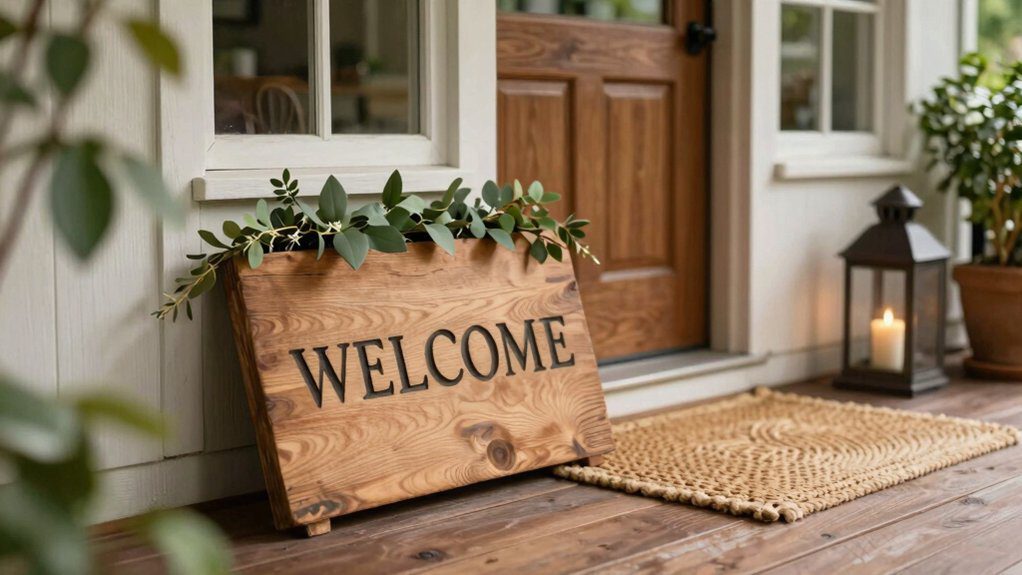
Think clean lines, cute details, and colors people want to pin right away, like personalized wood signs, patterned tile coasters, or candles that look photo-ready on any shelf.
The best part? When your project looks polished and easy to love, buyers don’t just notice it—they imagine it in their own space.
Pinterest-friendly look
When a DIY product looks great in a Pinterest feed, it doesn’t just sit there looking cute, it practically begs to be clicked! You can win hearts with a clean color palette, signature branding, and polished finishes that feel gift-ready.
- Use neutral tones.
- Add one memorable mark.
- Keep styling bold.
- Seal every surface.
- Package it neatly.
That’s how your handmade piece joins the crowd!
– Durability matters
When you make a DIY item to sell, you want it to hold up in real life, not fall apart after one excited use—no one wants a wobbly keychain or a sad, chipped coaster!
Choose sturdy materials, let finishes cure fully, and add protection like sealant or a proper bake so your piece can handle water, scratches, and everyday handling.
That extra care helps your product last longer, look better, and keep buyers coming back for more!
Long-term use
A DIY item that lasts gets way more love, and way more sales, too!
- Product testing catches weak spots fast.
- Customer feedback shows what feels sturdy.
- Use sealed jars, cured blends, or coated tiles.
- Pick soap, bath bombs, and other use-first items.
- Add sturdy rings, elastic, or bases.
You build trust when pieces survive shipping, daily use, and tiny bumps, so folks keep using them, not replacing them.
High-Demand DIY Product Categories
Home decor, organization products, and personalized gifts are hot picks because you can make them useful, pretty, and easy to love—think cozy candles, neat little coasters, or a tote bag with someone’s name on it!
You can start with simple materials like jars, fabric, vinyl, or wood, then add a few smart touches, such as custom colors or labels, and suddenly your project looks store-worthy.
Best part? The strongest sellers often feel like they were made just for one person, which is pretty much the magic trick, isn’t it?
– Home decor items
Wall art pieces can be a fun way to turn a plain wall into something that feels personal fast, and that’s exactly why buyers love them!
You can make simple framed prints, painted canvas pieces, or wooden quote signs with basic supplies like paint, stencils, and frames, then keep the steps easy so beginners don’t panic halfway through.
The sweet spot is customization, because a custom name, favorite quote, or seasonal design can make your piece feel special, look gift-ready, and sell much better than a plain craft.
Wall art pieces
When you want to sell something people actually *want* to hang up, wall art is a smart place to start!
Do market research, then competitor analysis, and make pieces that feel like “their” home.
- Quotes
- Colors
- Themes
- Hand-painted flair
- Custom names
You can spend $5–$50, price near $20–$200, and list on Etsy, Amazon Handmade, or your site.
Fun, right!
– Organization products
Storage solutions can be a goldmine for you, because they fix the everyday chaos of cluttered counters, messy drawers, and tangled cords—yeah, the stuff that makes you mutter, “Where did I put that?!”
Start with easy wins like labeled bins, cord holders, or small drawer organizers, since they’re simple to make, cheap to test, and buyers love anything that makes life feel instantly calmer.
And here’s the fun part: when you add a little personalization, like initials or a theme for home, gym, or self-care, your DIY piece feels giftable and useful, which is a pretty winning combo.
Storage solutions
Because a messy closet or packed pantry can make a house feel chaotic fast, DIY organizers are some of the easiest things to sell! You fit real needs, and buyers love the before/after wow.
- Label sets, fast and cute
- Drawer dividers, simple wood cuts
- Pegboards, easy wow-factor
- Shelf inserts, tidy tiny spaces
- Bulk sets, better with shipping safe packing, assembly time, material durability, customization options
– Personalized gifts
Custom handmade gifts can be a total win, because you’re not just selling an item, you’re selling someone’s name, joke, or favorite color on something they’ll actually use—hello, personalized mugs, wooden signs, and cute coasters!
Start with simple materials like blank ceramics, wood, paint, or sealing spray, then add initials, a quote, or a quirky saying, and you’ve got a gift that feels special without being hard to make.
And here’s the fun part: when you package it like a ready-to-give set, your DIY project suddenly feels polished, gift-worthy, and way easier to sell!
Custom handmade items
When you want a DIY project that actually has a chance to sell, start with items people already love giving as gifts—think mugs with names or funny quotes, ceramic coasters with initials, and wood signs with family names or favorite sayings!
- Candles, soap, bath bombs, jewelry, decor
- Gift ready design boosts trust fast
- Use Etsy listing optimization for reach
- Keep personalization simple and repeatable
- Price for profit, not pity
How to Validate Your DIY Idea Before Selling
You can start with a quick Pinterest trend check to see what people are already saving, sharing, and getting excited about—if your idea keeps popping up, that’s a pretty good wink from the market!
Next, peek at Etsy demand signals and compare them with your material cost analysis, because a cute idea only counts if you can make it for less than buyers will pay.
The fun part? A simple test today can save you from making 40 handmade paperweights tomorrow.
– Pinterest trend check
Check Pinterest save counts first, because they show you which DIY ideas people keep coming back to, not just what looks cute for a minute.
If a pin for hand-poured soy candles, bath bombs, or macramé key holders is racking up saves across the same week or month, that’s a strong sign buyers are paying attention—nice!
Then compare those saves with what’s already trending, so you can spot a gap, add your own twist, and avoid jumping into a crowded pile with a “me too” product.
Save counts
A quick Pinterest save-count peek can save you a lot of guesswork, because it shows whether people are actually collecting an idea or just glancing at it and moving on.
Watch pin interaction, especially for seasonal gifting.
- Check exact items.
- Look for steady saves.
- Use search suggestions.
- Compare Etsy competition.
- Test margins first.
If saves climb, you’ve got a crowd!
– Etsy demand signals
Before you list your DIY idea on Etsy, search your exact niche and look for similar listings that already have recent sales, lots of favorites, and reviews—yes, those little numbers can wink at you like, “Hey, people actually buy this!”
If you spot plenty of close matches in familiar price ranges, that’s a solid sign buyers are already choosing handmade versions like yours.
And if you only find a few oddballs, that’s your cue to tweak the idea a bit, maybe add custom initials or a fun scent combo, so it fits what shoppers already want.
Similar listings
One of the smartest ways to see if your DIY idea can actually sell is to peek at similar listings on Etsy and look for real demand, not just a crowded page full of pretty stuff!
Check the Listing photo, search tags, Etsy conversion, and keyword overlap.
- Scan sold counts.
- Match price and materials.
- Spot personalization words.
- Compare category fit.
- Check margins before you start.
– Material cost analysis
Before you sell, you’ve gotta check your profit margin, because even a cute DIY can turn into a wallet snack if the materials cost too much!
Compare your per-item costs with real examples like candles, soap bars, or bath bombs, then make sure your price still leaves room after fees on Etsy, eBay, or your own site.
And don’t forget the sneaky stuff, like custom paint pens, vinyl, tags, or sealant, since those little extras can quietly eat your earnings faster than a kid with a cookie jar!
Profit margin
When you’re testing a DIY idea for selling, the real question isn’t just, “Can I make it?” — it’s, “Can I make it for less than I can sell it?” That’s where material cost analysis saves the day! Check Supply Costing, Batch Profit, Waste Allowance, and Pricing Testing.
- Candles: $1–$2 cost, $7–$8 sell
- Soap bars: $1–$2, $5–$8
- Liquid soap: $2–$3, $6–$12
- Bath bombs: $0.50–$1.50, $2–$8
- Jewelry: $5–$50, $20–$200
Mistakes to Avoid
Watch out for the easy traps, because a pretty DIY can still flop if you copy a design that everyone else is already selling or skip the photos that make buyers stop and look.
You also don’t want to undersell your hard work, since pricing it too low can make your project feel cheap, even if you spent hours on it.
And here’s the sneaky one, the best-looking item can still sit forever if your price, pictures, and style don’t match what buyers expect—yikes!
– Copying oversaturated designs
Even if a DIY idea looks easy to sell, copying the same thing everyone else is already making can turn into a fast path to tiny profits and lots of frustration!
Use Etsy Listing Research to spot what’s already crowded, then build Brand Differentiation into your twist.
- Check sold items on Etsy, eBay, and Amazon Handmade
- Skip generic candles, bath bombs, and bracelets
- Price honestly, because margins get squeezed fast
- Add custom initials, funny sayings, or color choices
- Match the platform’s vibe, so your shop feels welcome
That way, you don’t just blend in, you belong—and buyers notice!
– Ignoring product photography
If you skip product photography, your DIY shop can get lost in a sea of shiny listings, especially in crowded categories like candles and bath bombs! You need bright, neutral shots, not dark or blurry ones, so buyers can see clean labels, crisp color, and the exact shape.
Do Competitor Analysis, then run quick Visual Test Shoots with simple props and steady light.
Show the full item, packaging, and the “use” moment, because that complete look helps shoppers feel like they belong with your brand.
One sharp close-up and one full view can cut confusion, boost trust, and make your handmade work look polished—wow!
– Underpricing your work
Underpricing can sneak up on you fast, and it usually starts when you price only the materials, not the real work behind the item!
- Track labor cost tracking every minute.
- Add packaging, labels, shipping, and fees.
- Use profit margin math, not guesswork.
- Check batch waste, failed molds, and uneven finishes.
- Raise prices for custom details, because craftsmanship counts!
If your candles cost $2 in supplies, your time and overhead can turn that into a fair $7 sale or more. Handmade jewelry, soaps, and bath bombs all deserve pricing that fits the effort.
You’re building a shop, not a giveaway table!
Real Results You Can Expect
You can expect DIY sales to start as a steady side income, especially when you pick simple products with clear costs and prices, like candles, soap, or bath bombs.
The best part? When you choose items that are easy to repeat and easy to customize, you can turn one good idea into a growth-friendly little shop that keeps customers coming back for more.
And yes, repeat buyers are real, because once people like your style, scent, or quirky label, they’ll often want the next batch before you’ve even cleaned up the glue gun mess!
– Consistent side income
Consistently, the best DIY side income comes from projects that keep your costs low and your sales simple, which is great news for beginners!
You can build belonging with brand positioning that feels friendly and clear, then use inventory forecasting to avoid messy overbuying.
- Candles: melt wax, add scent, pour, and sell for small but steady gains.
- Bath bombs: mix, pack, and offer colorful treats with low material costs.
- Soap bars: cut, wrap, and aim for reliable margins.
- Scrunchies: sew quick batches, then list them everywhere.
- Handmade jewelry: personalize pieces, price higher, and watch repeat buyers smile!
– Scalable product ideas
If you want side income that can actually grow, the trick is picking DIY products with simple math and repeatable steps, so each batch doesn’t feel like a science fair gone rogue! You fit right in when you choose items people already buy, like candles, soap, or bath bombs.
| Idea | Result |
|---|---|
| Candles | $7–$8 profit each |
| Soap | $5–$8 profit each |
| Bath bombs | $2–$8 profit each |
| Scrunchies | $3–$30 profit each |
Batch production keeps costs low, and consistent formats let you add names, colors, or sayings without starting over. That’s the sweet spot, friend—easy to make, easy to ship, and way easier to scale!
– Repeat customers
Repeat customers are where a small DIY side hustle starts to feel like a real business! You’re not just making cute stuff, you’re building a little tribe that comes back for more.
- Candles: pour soy wax, add lavender or eucalyptus, then offer seasonal restocks.
- Bath bombs: mix, press, and tease limited edition drops.
- Coasters or mugs: personalize names or quotes, and watch gift orders multiply.
- Scrunchies or tote bags: keep them cheap, easy, and ready for subscription refills.
- Roll-ons: use clear labels and comfy blends, then sweeten with loyalty discounts.