15 Mini Clay Ideas for Cute Charms
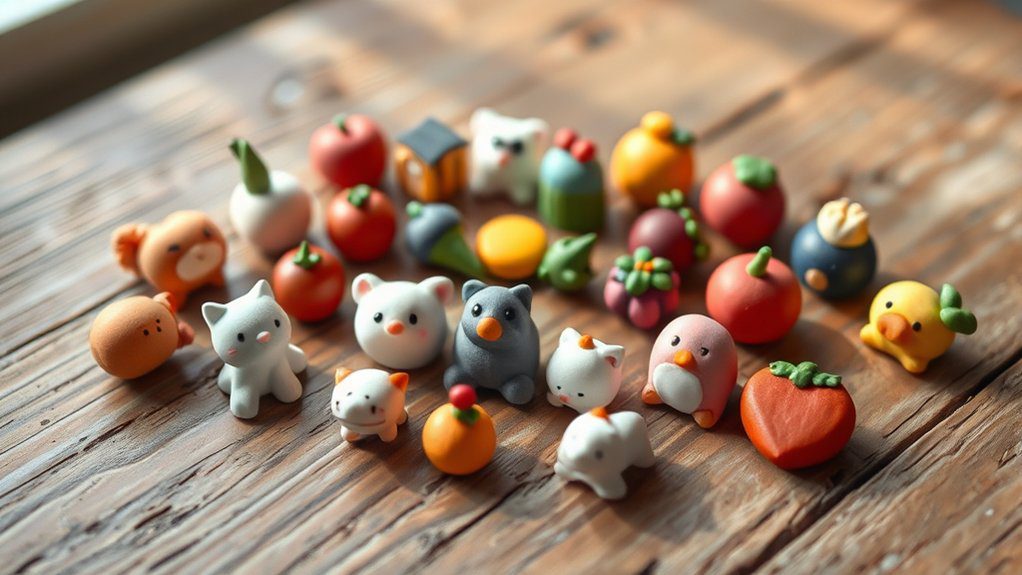
I love making mini polymer clay charms with just clay, a clean surface, and simple tools like a toothpick, straw, and bottle roller. Try 15 cute ideas: plant-in-a-pot, popsicle with a bite mark, red apple, whale, stacked rainbow, strawberry, mushroom, heart face, pastel star, boba cup, donut, tiny croissant, cactus, panda head, and mini pumpkin. Keep sizes steady with a coin guide, score joins, poke eye-pin holes before baking, then glue pins and glaze—there’s more ahead.
Love cozy DIY projects? 💕
Get free printable guides, exclusive tutorials & surprise craft goodies straight to your inbox.
Disclosure: This post may contain Amazon affiliate links, at no extra cost to you. Content on DiyCraftNest is created with research support from AI tools and carefully reviewed, edited, and fact-checked by the lead author, Daniel Pat, to ensure accuracy and reliability. Learn more
Key Takeaways
- Warm polymer clay in your fingers, then roll uniform balls and coils using a coin or ruler to keep charm sizes consistent.
- Make easy mini charms like a plant-in-a-pot, popsicle, apple, whale, rainbow arch, strawberry, mushroom, heart, or pastel star.
- Shape clean details with household tools: toothpick for texture, straw for bite marks, blade for cutting, and bottle for flattening.
- Score and blend joining surfaces so seams disappear and parts stay secure, reducing cracks during handling and baking.
- Poke an eye-pin hole before baking, bake on a tile per package directions, then glue the eye pin after cooling and glaze last.
Mini Polymer Clay Charm Supplies (No Fancy Tools)
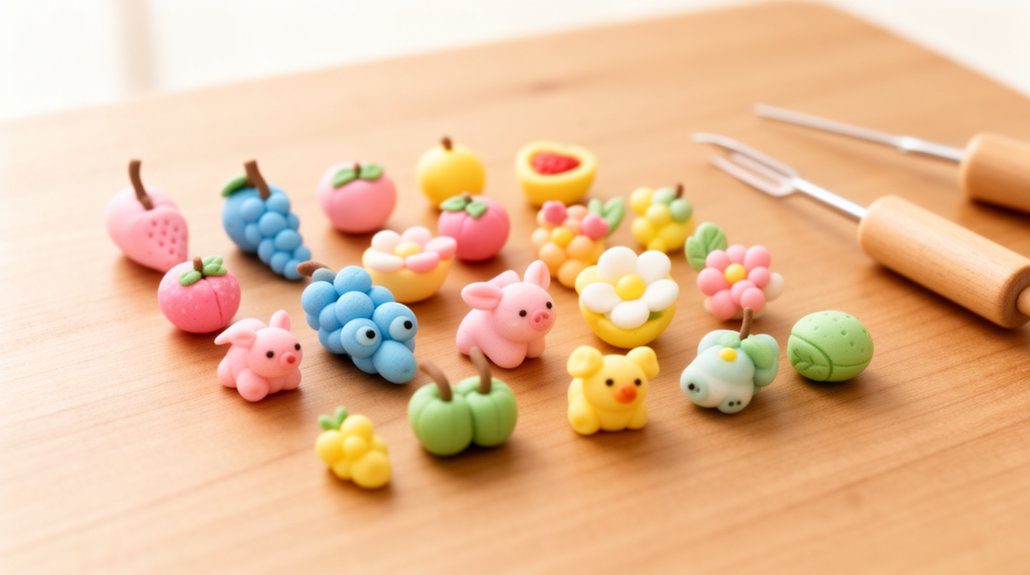
You only need a handful of simple supplies to start making mini polymer clay charms, and I promise you don’t need any elaborate tools. Grab polymer clay in a few colors and set up a clean work surface like a tile or parchment. For polymer clay basics, I lean on household tools: a toothpick or straw for tiny details, and a rolling pin—or even a bottle—to flatten clay evenly. I cut shapes with a simple knife or blade, no special set required. For attachments, I bend paper clips or use pins as eye pins. Finally, bake in an oven or toaster oven, following the package directions.
Mini Clay Basics: Smooth Shapes and Strong Joins
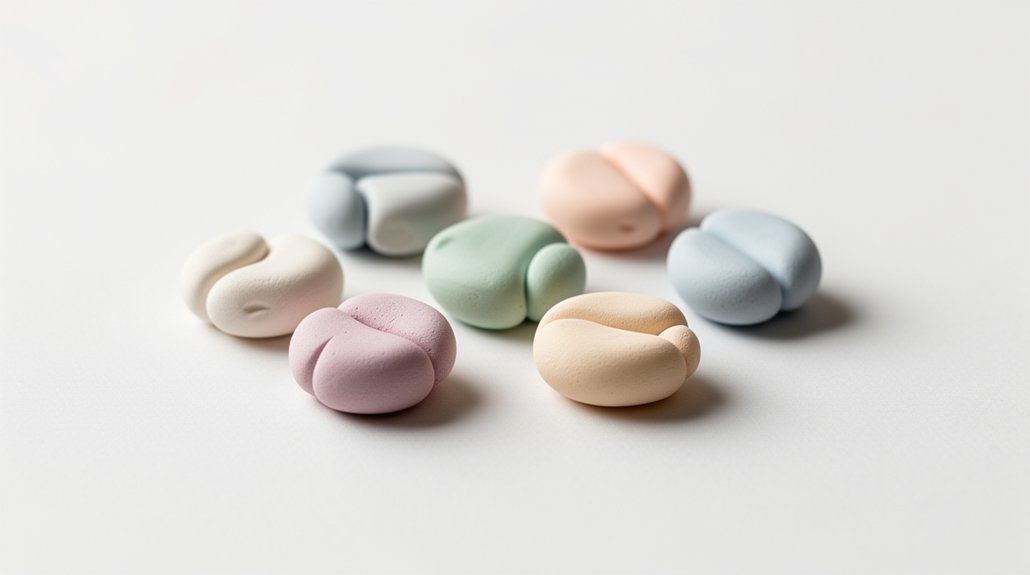
With a few simple supplies on the table, the next step is learning how to shape mini clay pieces so they stay smooth—and how to stick parts together so they don’t pop off after baking. I use gentle clay handling techniques: warm the clay in my fingers, roll simple balls and coils, and stop pressing once it looks right. If an edge gets wonky, I nudge it back with a needle tool for crisp, clean lines. For strong joins, I score both sides, then use blending methods to merge the seam until it disappears. You’ve got this, truly.
Keep Your Mini Charms the Same Size
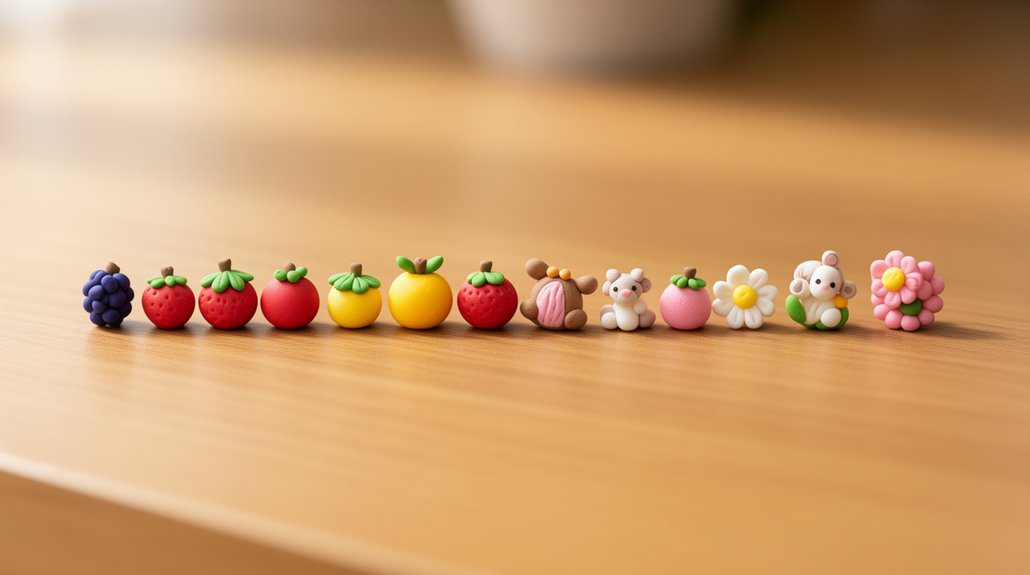
One tiny trick makes mini charms look instantly more “real”: keeping every piece the same size. I like to pick a tiny reference first, like a coin or button, and I keep it beside my workspace so you can match it at a glance. Next, I roll clay into uniform balls for each part, then line them up like little “ingredients” before I build. For true size consistency, I also grab a ruler for quick charm measurements and double-check width and height before baking. If you’re unsure, make 2–3 prototypes first, then copy them.
Add Holes and Eye Pins Without Cracking
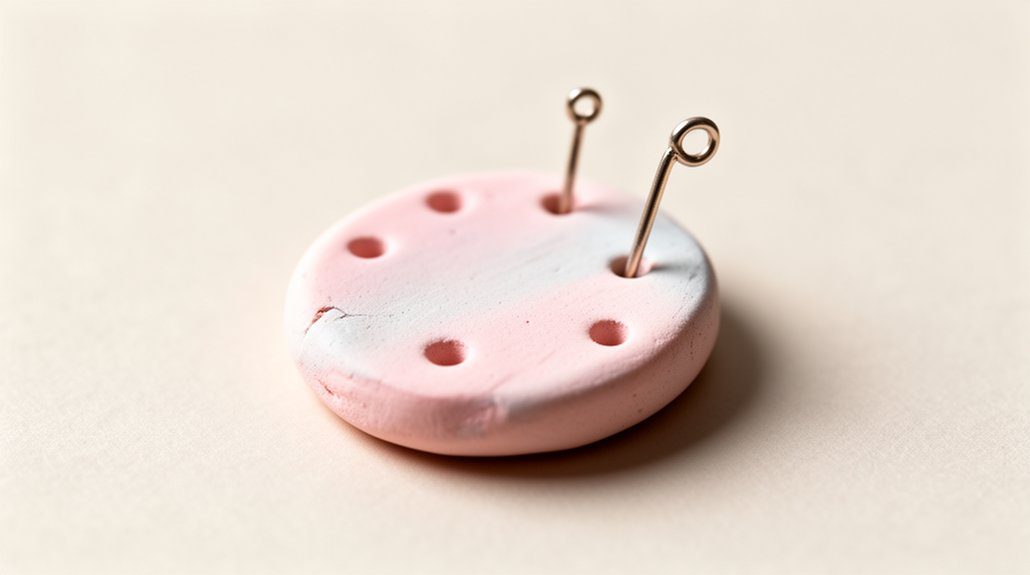
Because mini charms are so tiny, even a little extra pressure can turn a neat eye-pin hole into an annoying crack—so I always plan the hole before I bake. I use a needle tool to poke gently, keeping the hole away from the edge and a bit wider than the pin. After baking, I let it cool fully, then twist the eye pin in slowly. For thick pieces, I pre-bake a few minutes, add the pin, and finish baking. These eye pin techniques boost charm durability, and you’ll feel like part of the “no-cracks” club.
| Step | Do | Avoid |
|---|---|---|
| Poke | Needle tool | Edge holes |
| Size | Slightly wider | Tight fit |
| Insert | Twist gently | Shoving |
Plant-in-a-Pot Charm (Quick Leaves + Texture)
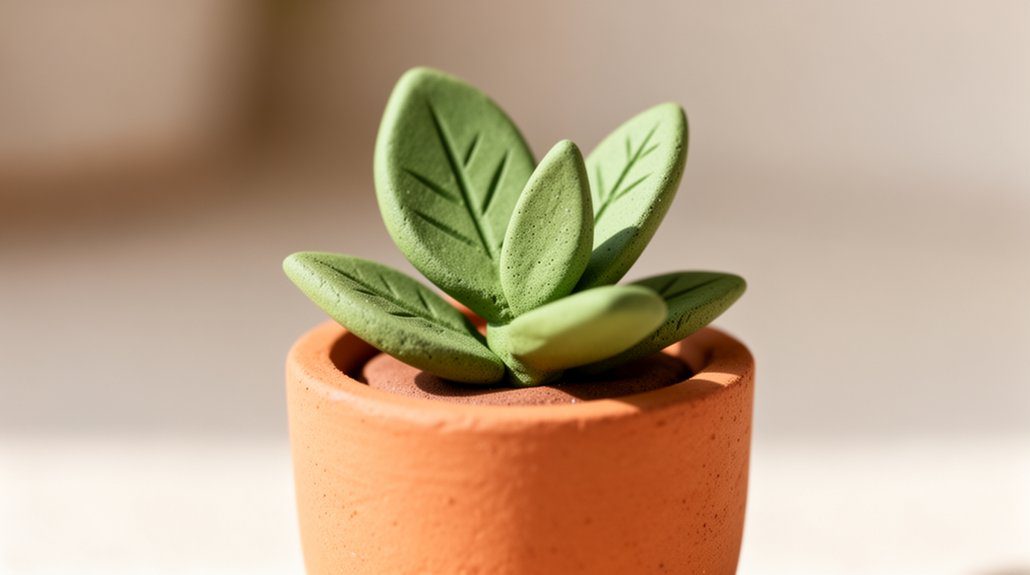
If you want a mini charm that looks detailed but only takes a few minutes, this little plant-in-a-pot is my go-to. I shape brown clay into a pot, wider at the top, so it feels real and welcoming.
- Press a tan circle inside for “dirt,” then scratch in texture with a needle tool.
- Roll a thin brown coil for the rim and blend it smooth like frosting.
- Flatten green clay, pinch leaf tips, and attach them firmly on top.
- Bake per package directions for charm durability, then treat it like plant care—gentle handling wins.
Popsicle Charm With a Clean Bite Mark
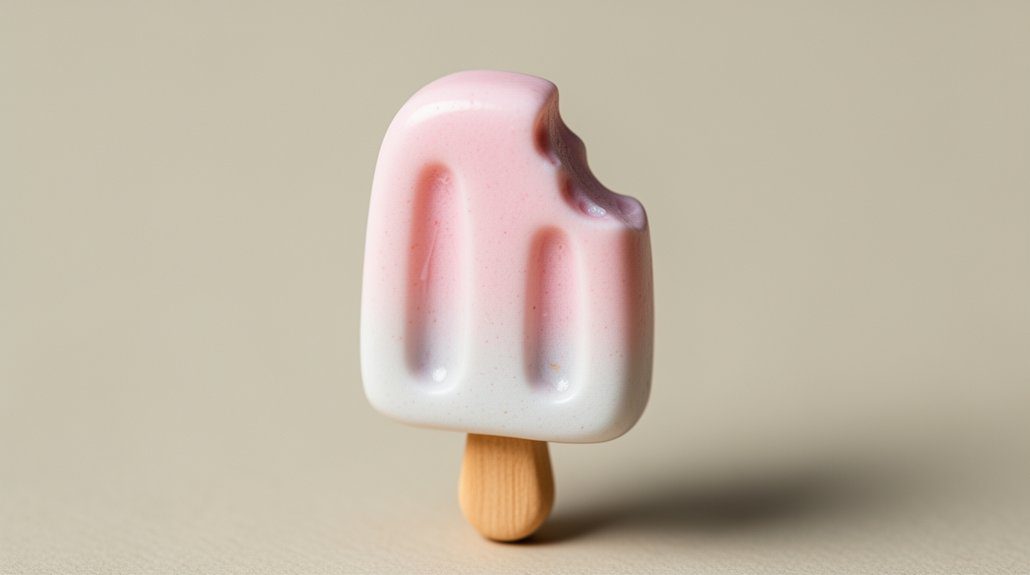
While the clay’s still soft and easy to shape, I like making a popsicle charm with a crisp “bite” taken out—it looks super detailed without a lot of work. For popsicle color selection, I roll my main shade into a log, then gently taper one end like a real treat. Next, I press a dotting tool into the tapered tip to mark where the stick will go later. For bite mark techniques, I push in a straw or tiny cutter for a clean curve. Then I layer white clay inside for “ice cream,” and add sprinkle coils on top.
Red Apple Charm With Stem and Leaf
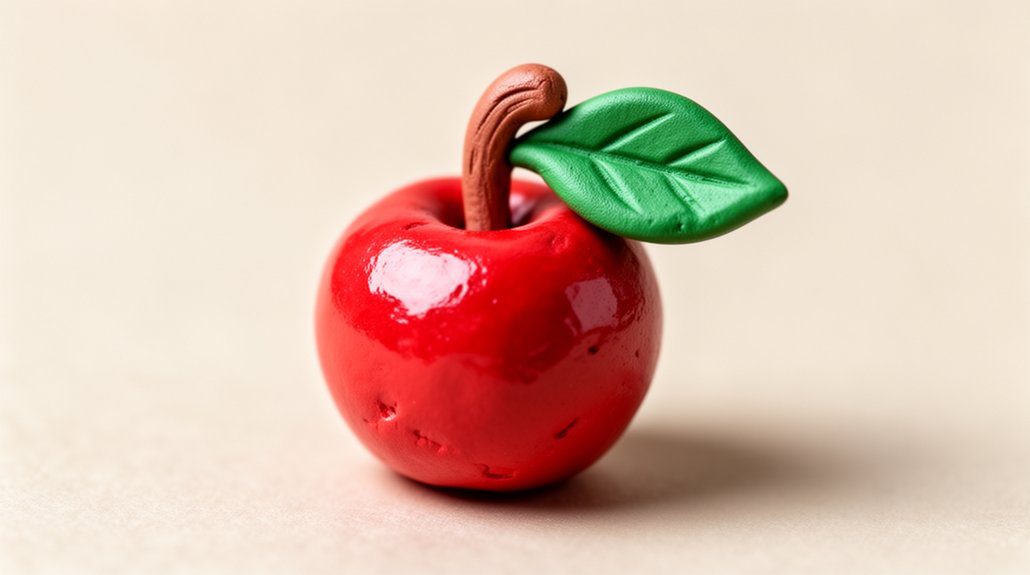
A tiny red apple charm feels like a little pop of autumn you can hang on anything. I start with red polymer clay, roll it round, then pinch one side to make a narrow base so it looks real. I press the top gently with a large ball tool (or my knuckle) for a natural dip—one of my favorite apple charm techniques.
- Shape a brown teardrop stem and press it on top.
- Flatten green clay, pinch a leaf, and tuck it beside the stem.
- Smooth seams with tiny strokes for a cozy, handmade look.
- Bake, then glaze—my go-to charm personalization tips.
Whale Charm With Belly and Tiny Fins
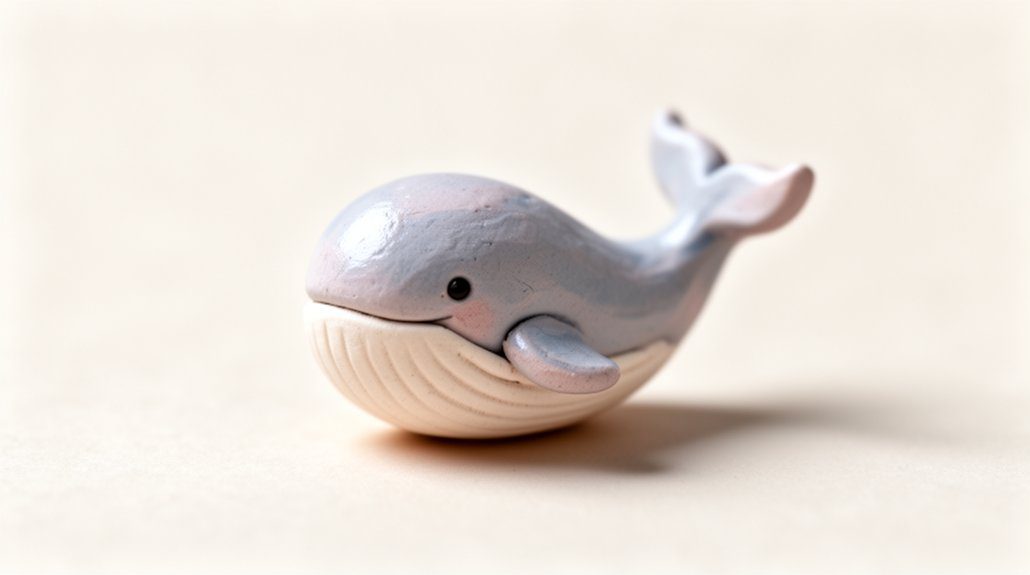
Since ocean-themed charms always feel extra cheerful, I love making this tiny whale with a bright white belly and the cutest little fins. Start with pastel blue clay, and roll it into a smooth oval body. Pinch one end slightly so you’ve got a spot for the tail. For the tail, place two tiny light-blue balls side by side, then press gently so they match and look balanced. Add a white teardrop belly for contrast, like a little highlight. Dot on black eyes, then flatten blue clay into fins. Bake per package instructions, and you’re in the club. Use whale charm techniques and pastel clay choices.
Stacked Rainbow Arch Charm (Neat Stripes)
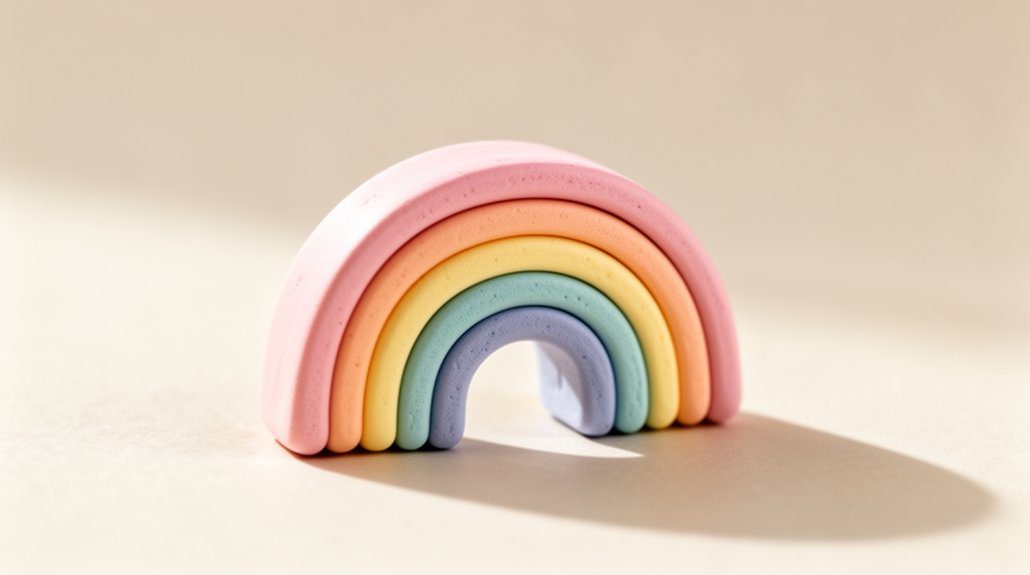
Color stacks are my favorite shortcut to a charm that looks crisp and professional, and this stacked rainbow arch is fundamentally that idea in miniature. I roll pink, orange, yellow, green, blue, and purple into evenly sized coils, then stack them in reverse, starting with purple on the bottom and ending with pink on top, so we all get neat stripes.
- Test color combinations by lining coils up before pressing.
- Curve the stack gently into an arch, keeping pressure even.
- Trim both sides with a blade for clean edges.
- Poke an eye-pin hole, bake, then glue and glaze. Charm variations await.
Strawberry Charm With Indented “Seeds
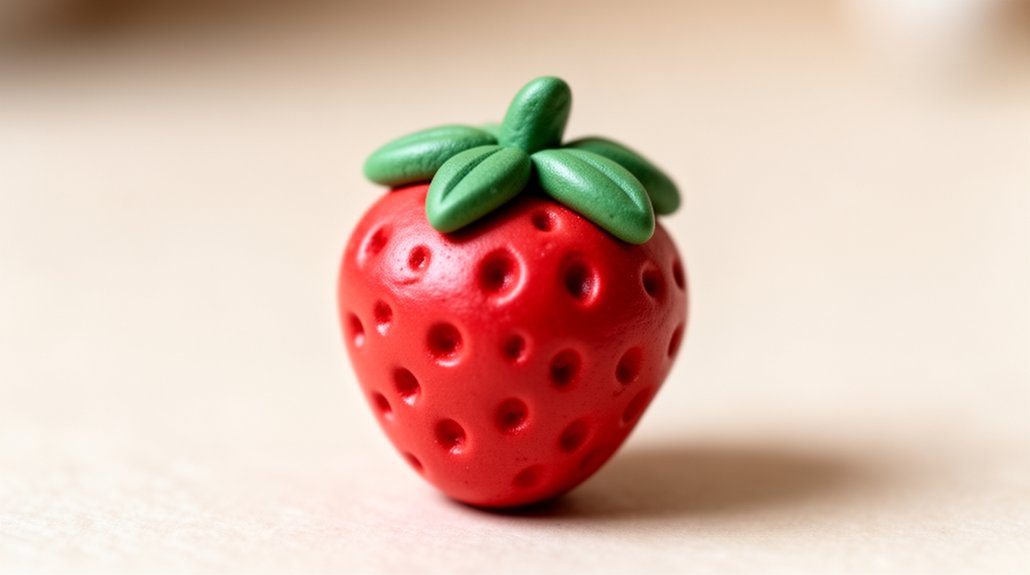
Even if you’ve never made fruit charms before, this strawberry charm comes together fast and looks impressively “real” once you add indented seeds. I start with red polymer clay and shape it into a teardrop or oval, then smooth it so it’s nice and neat.
Next, I use a dotting tool or needle to press tiny seed dents all over. You’ll love how the texture pops, even with different strawberry colors. For the top, I roll green clay, pinch little leaves, and blend the edges onto the berry. Bake per package directions, then compare charm variations with friends.
Mushroom Charm (Spots Optional)
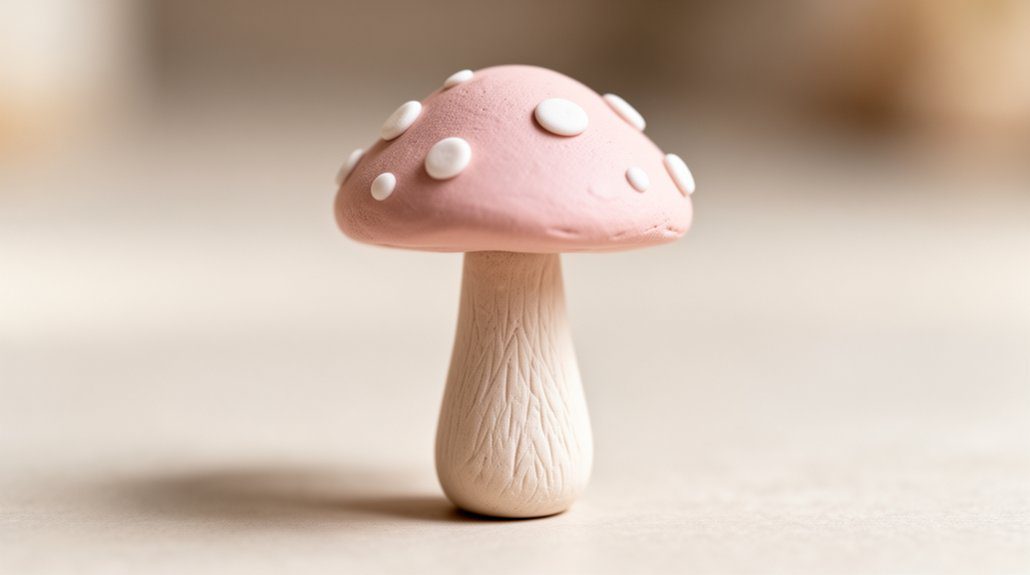
If you want a charm that feels straight out of a fairy-tale forest, a tiny mushroom is my go-to because it’s quick to shape and adorable in any color. I start with red or brown clay and form a rounded dome mushroom cap. Then I roll white clay into a sturdy mushroom stem and press it firmly underneath so we’re crafting together, not alone.
- Add spots: tiny white balls, gently pressed on.
- Texture both parts with a needle tool.
- Bake per package directions, then cool fully.
- Glaze lightly for shine, if you want.
Heart Charm With a Simple Cute Face
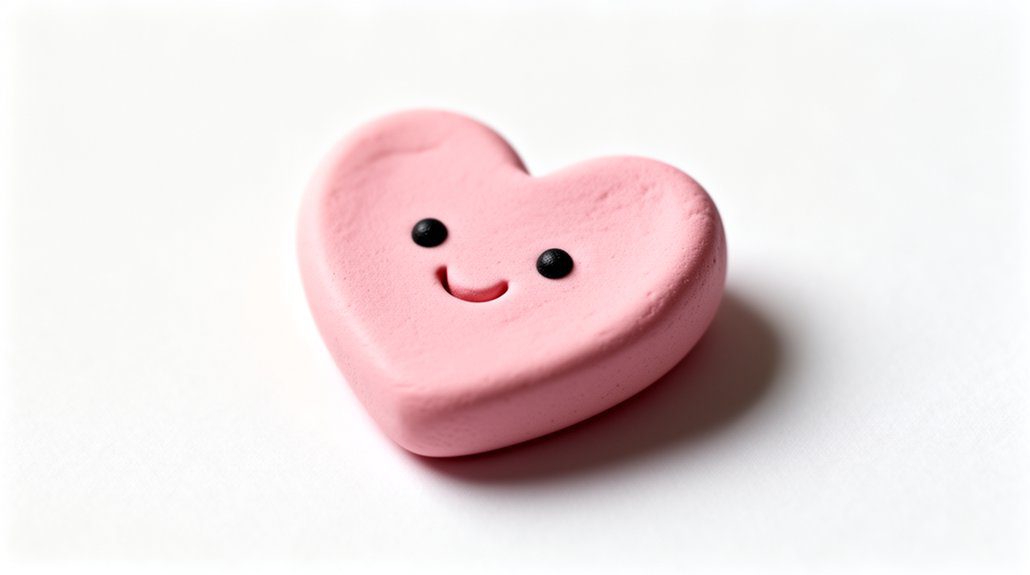
While a plain heart is already sweet, I love giving mine a simple cute face because it turns the charm into a tiny character you can’t help but smile at. First, I shape red polymer clay into an even, puffy heart, so it bakes without lopsided spots. Next, I use a needle tool to press two tiny eye dents and a curved smile for friendly cute face expressions. For extra sparkle, I add pinprick dots of white clay as eye highlights. Then I poke a small top hole for an eye pin, bake, cool, and glaze for shine. Perfect for heart charm designs.
Pastel Star Charm (Soft Edges, No Fingerprints)
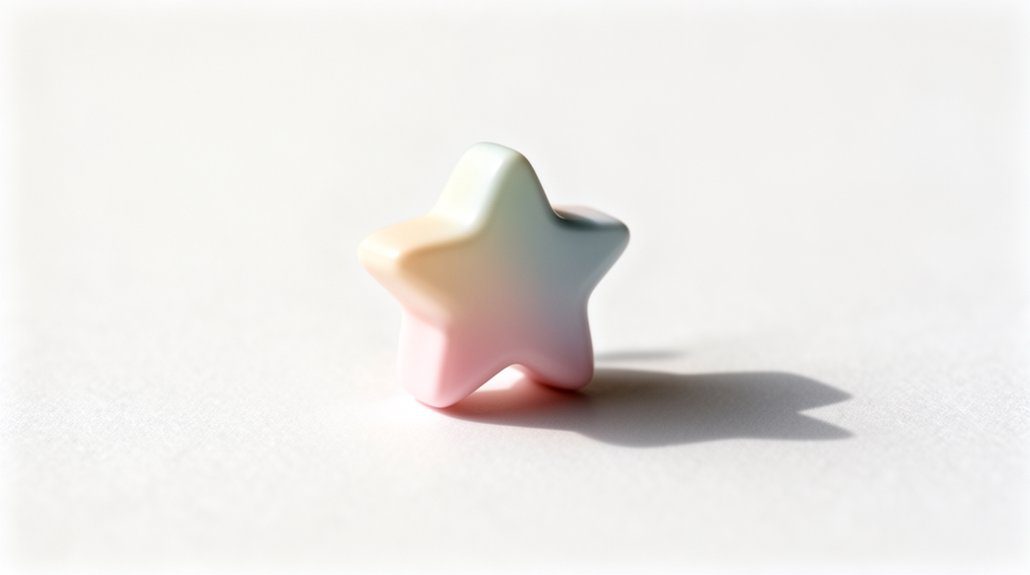
After making that smiling heart, I like switching to a pastel star charm because it looks just as cute but feels extra clean and polished. You and I can totally get that “no fingerprints” finish with a few cozy, shared tricks.
- Condition pastel clay well; soft clay takes pastel color blending smoothly and won’t crack.
- Press a star cookie cutter or mold straight down for crisp, uniform points.
- Gently rub each edge to round it, keeping the surface sleek.
- For charm detailing techniques, add tiny contrasting balls on the tips, then poke a hole for an eye pin before baking.
Boba Cup Charm With “Pearls” and Straw
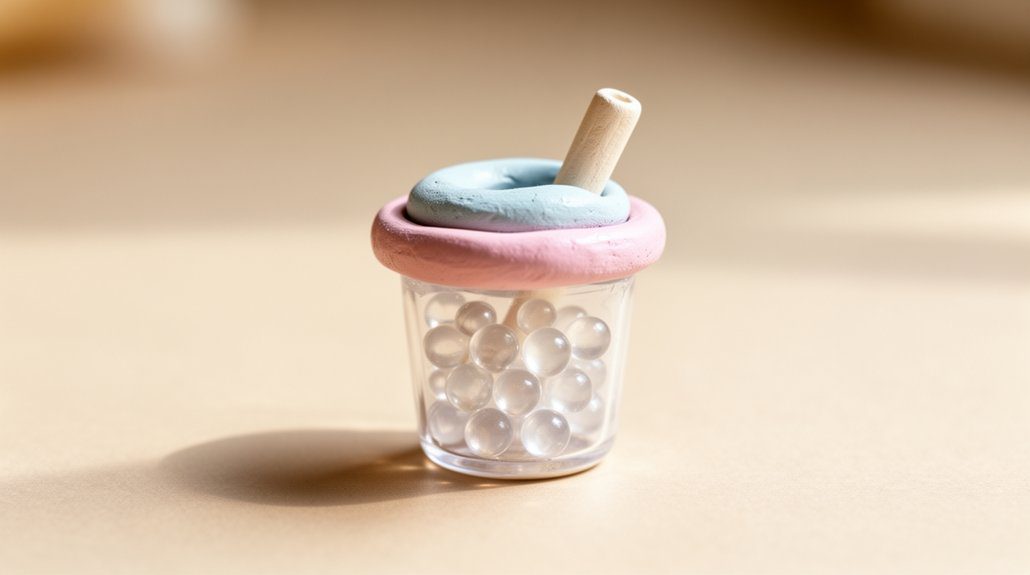
A tiny boba cup charm feels like a mini drink you can carry everywhere, and it’s one of my favorite “wow” pieces because the details do all the work. I shape clear or pale clay into a cup, wider at the top, so yours matches mine.
| Part | Clay | Tip |
|---|---|---|
| Cup | clear | flare rim |
| Pearls | black balls | pack bottom |
| Drink | brown/pastel | smooth layer |
| Straw | thin cylinder | add bend |
These boba charm techniques shine with smart clay color combinations, and you’ll feel like you belong in the cutest mini café crew.
Bake, Secure Eye Pins, and Glaze Safely
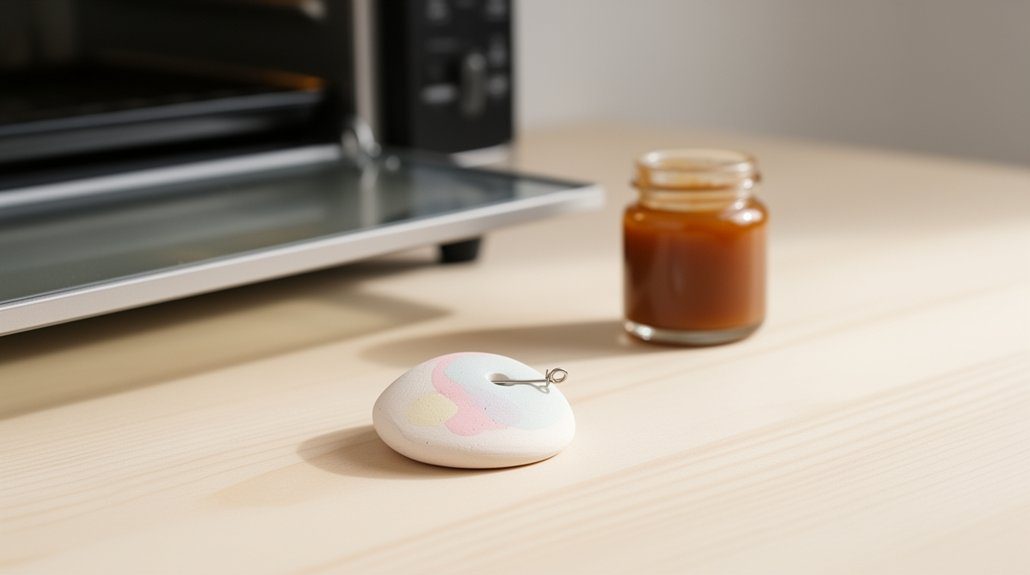
Once your charm looks perfect, baking and finishing it the right way is what turns “cute” into “durable.” I stick closely to the baking instructions on my polymer clay package (temperature and time really matter), and I let the charm cool completely before I touch it so the shape doesn’t squish or warp. Here are my baking tips and eye pin techniques, so your charms feel like they belong in our little craft crew:
- Bake on a tile for steady heat and even curing.
- Cool fully, then gently remove the eye pin.
- Add tiny super glue, reinsert, and wipe seepage.
- Glaze last for shine.
Frequently Asked Questions
How Do I Store Unused Polymer Clay to Keep It Soft?
I store unused clay tightly wrapped in plastic, then seal it in an airtight container away from heat and sunlight. For polymer clay storage, add soft clay tips: separate colors, avoid paper, and label dates. We’ve got this.
Can I Mix Brands of Polymer Clay Without Curing Issues?
Yes, you can mix brands; I’ve blended a 50/50 batch and it cured fine, like friends harmonizing. For polymer clay compatibility, match bake temperatures, precondition well, and follow brand mixing tips: test small first.
What’s the Best Way to Prevent Lint and Dust on Clay?
I prevent lint and dust by building a dust free workspace: wipe surfaces, cover clay, and wash hands. I rely on lint prevention techniques like tack cloth, alcohol wipes, and clean tools—so you’ll feel right at home.
How Do I Paint Details on Baked Charms Without Smudging?
Like tightrope walking, I paint details with thin layers using steady painting techniques, then seal between steps. I let each layer fully cure—respecting drying time—and hold the charm with tweezers so we don’t smudge.
Which Sealants Are Safe for Charms That May Touch Skin?
I use water-based polyurethane, acrylic varnish labeled non-toxic, or UV resin fully cured as skin safe sealants. I avoid solvent sprays. For charm durability, you’ll join us sealing thin coats, curing completely, and patch-testing.