21 Sewing for Charity Projects That Truly Make a Difference
Ready to sew for real impact? Start with baby quilts using prewashed cotton, batting, and an easy patchwork pattern, then finish and donate clean (unscented detergent only). Next, make NICU premie hats with smooth, nonbulky seams and breathable knit. Add walker bags for tissues and snacks, and wheelchair blankets for cozy, long seated days. Want a surprise big hug? Try port pillows—check size/shape rules first, then sew secure, no loose parts. Keep going—you’ll find 21!
Love cozy DIY projects? 💕
Get free printable guides, exclusive tutorials & surprise craft goodies straight to your inbox.
Disclosure: This post may contain Amazon affiliate links, at no extra cost to you. Content on DiyCraftNest is created with research support from AI tools and carefully reviewed, edited, and fact-checked by the lead author, Daniel Pat, to ensure accuracy and reliability. Learn more
Key Takeaways
- Choose charity projects with clear size and material rules, like quilts, premie hats, and pillow patterns.
- Prioritize soft, washable fabrics and skip scratchy trims or scented detergents for sensitive-skin recipients.
- Use secure, snag-free construction and perform tug testing for items with straps, loops, or sensory attachments.
- Select achievable designs—complete finished quilts and fully sewn comfort items to avoid “unfinished top” issues.
- Verify guidelines per partner chapter before cutting, including exact dimensions, fastening methods, and laundering requirements.
Baby Quilts
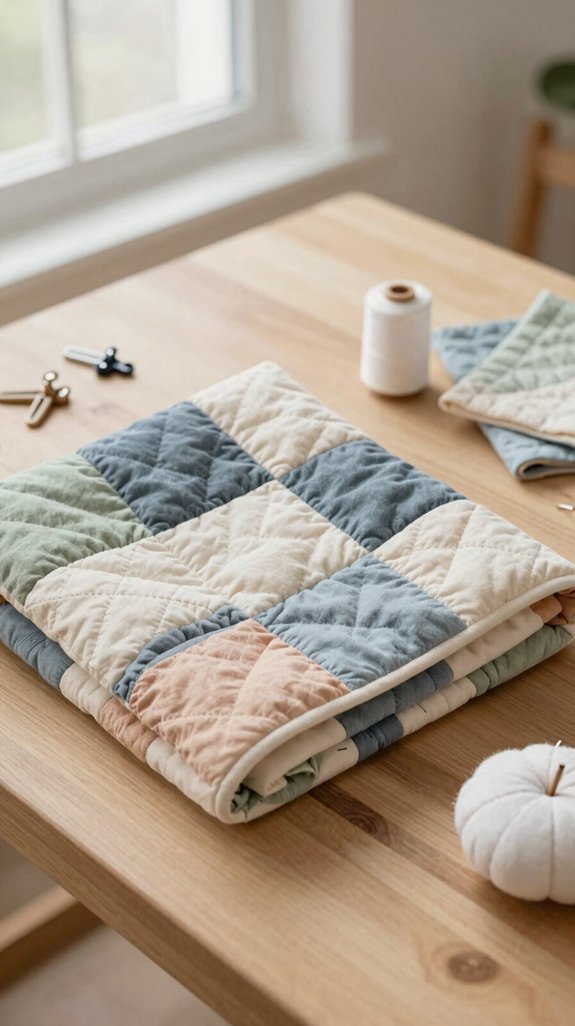
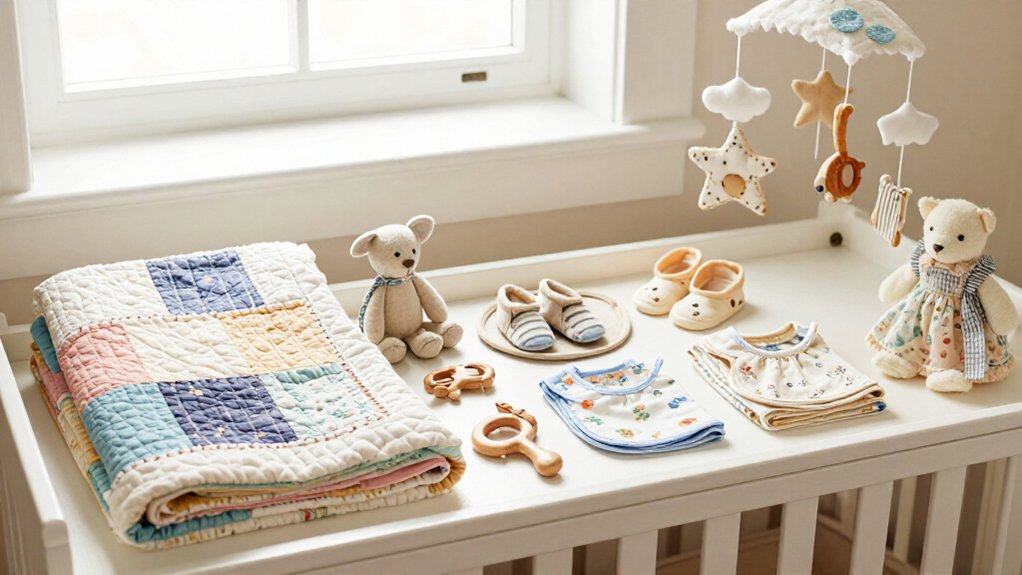
Baby quilts make a bright, comforting charity project because you can finish one without turning your living room into a fabric avalanche—usually!
Join your local sewing community by choosing soft, washable cotton and a simple patchwork design.
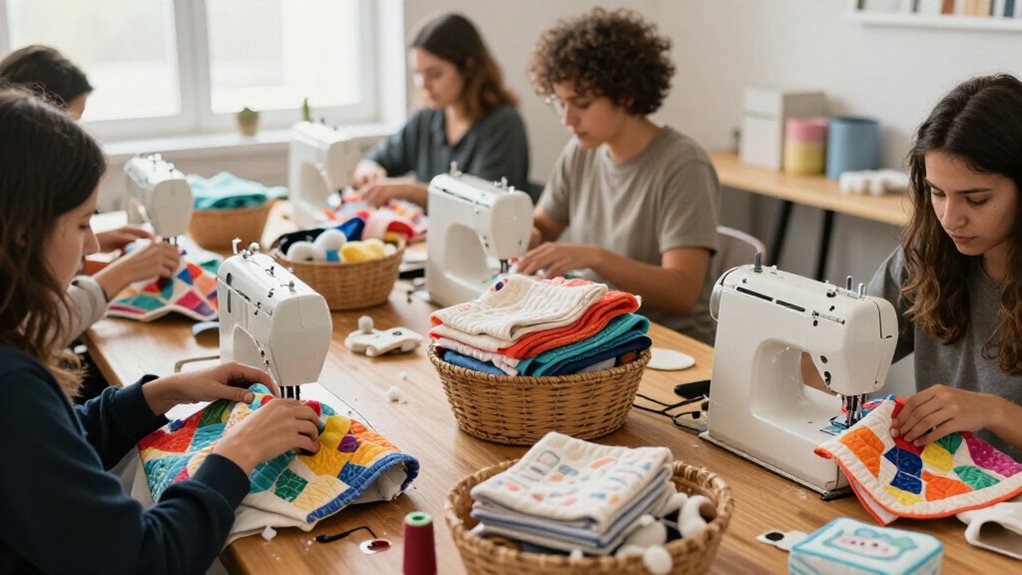
Gather prewashed fabric, batting, thread, and an easy pattern, then stitch, quilt, and bind a finished blanket—no unfinished tops.
Before cutting, check Project Linus chapter rules for quilt size measurements; baby ranges often run 30–45 inches.
Follow Donation care instructions: launder with unscented detergent only.
Here’s the big win: Quilts of Valor requires 100% shirting-weight cotton and quilting, proving care matters.
Premature Baby Hats
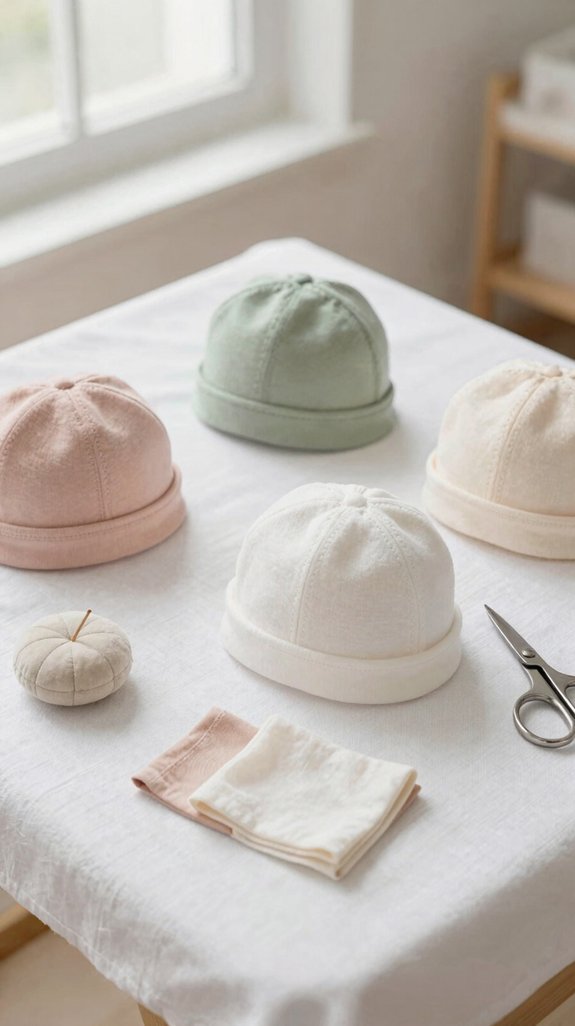
From a cozy quilt to a tiny cap, your next charity project can make a big difference—premature baby hats help fragile newborns stay warm and comfortable in the NICU! Join fellow sewists by making a soft, cheerful cap that brings comfort when it’s needed most.
- Use new, breathable cotton or knit; follow Fabrics safety guidelines.
- Do pattern size checking against the charity’s chart—premie heads vary!
- Sew smooth, nonbulky seams, then choose a cuffed or beanie style requested.
- Washability matters: finish seams, skip scratchy trims, and add a size tag if required.
Every stitch welcomes a tiny new community member!
Walker Bags
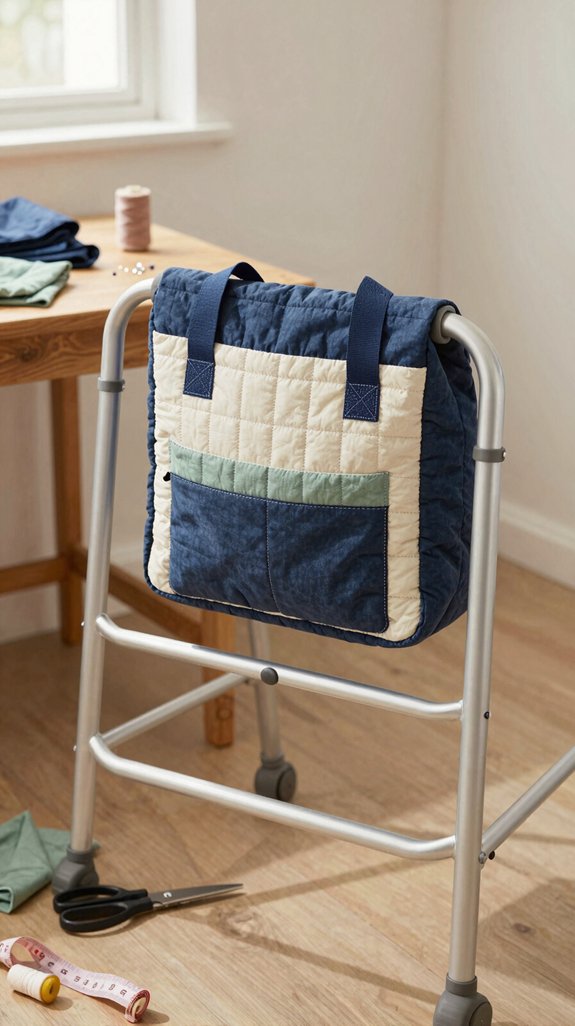
Stitch up a walker bag, and you’ll give a senior a handy place for tissues, snacks, a water bottle, or those tiny must-haves that always seem to vanish at the worst time!
Choose cotton or canvas, add a washable lining, and sew a medium bag with secure loops.
Check the group’s measurements first; Donation matching means every bag fits its walker.
Reinforce strap points, closures, and handles with durable seams, then test it with a bottle and snacks.
It’ll stay steady as someone moves, not swing like a tiny pendulum!
Your practical gift joins a caring community and lasts.
Wheelchair Blankets
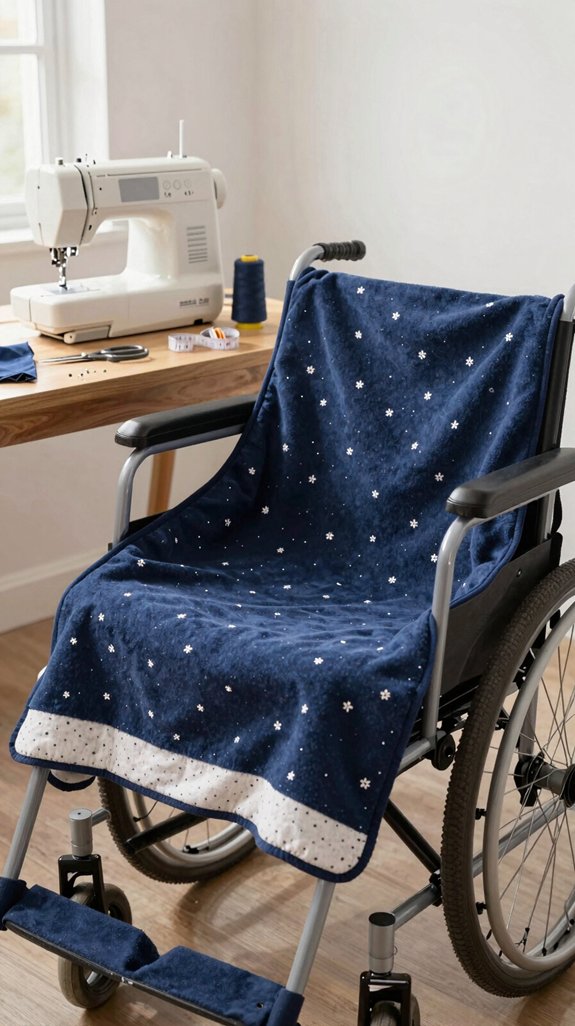
Wheelchair blankets bring the same caring spirit as walker bags, but they wrap someone in warmth during long, quiet hours seated—what a lovely gift!
Choose soft, washable fleece or low-loft cotton, then check the group’s size and fabric safety rules before cutting. You’ll make a useful, welcoming layer—not a wheel-catching cape!
- Use unscented detergent; deliver it fully clean.
- Skip ties and use snag free stitching.
- Confirm drop-off and labeling directions.
- Add lap-to-feet coverage if requested.
Here’s the sweet surprise: a well-sized blanket can settle securely on a lap when guidelines allow, giving your community comfort that truly stays put.
Port Pillows
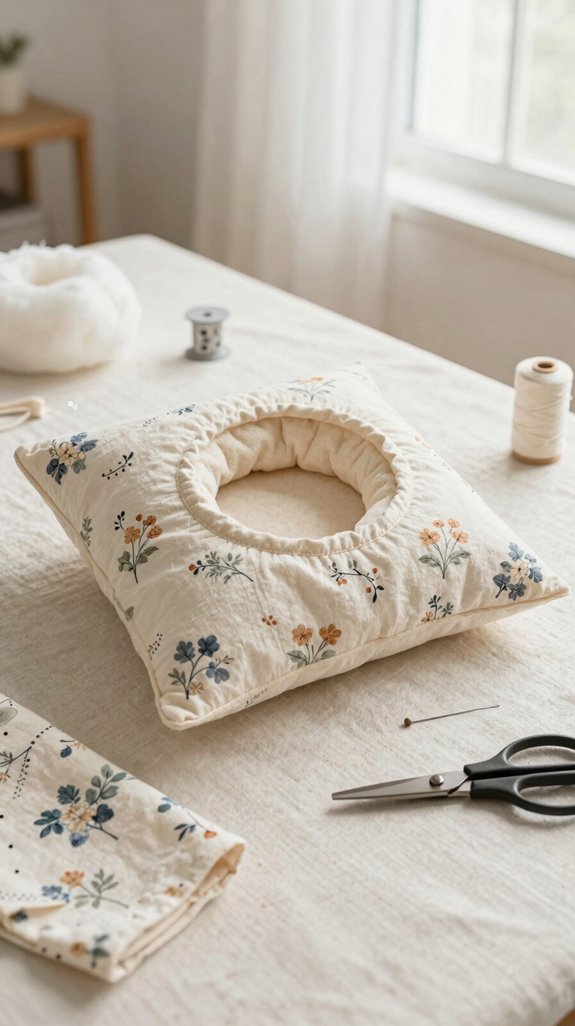
Port pillows may look small, but they can offer a gentle buffer against chest or port-area pressure while someone heals—now that’s comfort with a purpose!
Join your local sewing community by checking the nonprofit’s exact size, shape, and fastening rules. Some request contours, cutouts, or ties, so don’t guess!
Choose new or clean, soft, durable fabric, and follow Material safety and washing guidelines. Skip scented detergent because sensitive skin deserves kindness, too.
Before you stitch, contact the hospital or chapter to confirm port pillows are needed and accepted. Then sew a simple pressure-relief cushion that truly fits their care.
Mastectomy Pillows
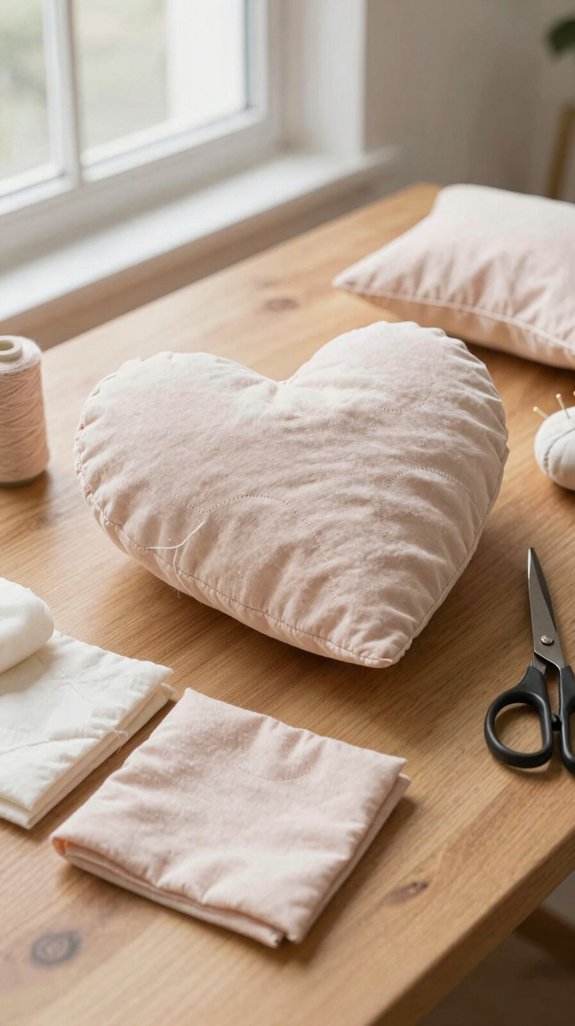
Mastectomy pillows bring small-but-mighty comfort after breast surgery, cushioning tender areas and helping you feel steadier when you walk, rest, or ride home—pretty meaningful for a handmade project!
Before sewing, join the care community by checking donation guidelines; each partner may request a straight, wedge, or arm-support shape.
Keep fabric safety front and center:
- Choose new 100% cotton or an approved washable cover.
- Match exact dimensions and the requested pattern.
- Sew secure seams, with no loose parts.
- Wash unscented if required, package it neatly, and deliver comfort that says, “You belong here.”
Check fastening instructions, too, before cutting fabric.
Drawstring Hygiene Bags
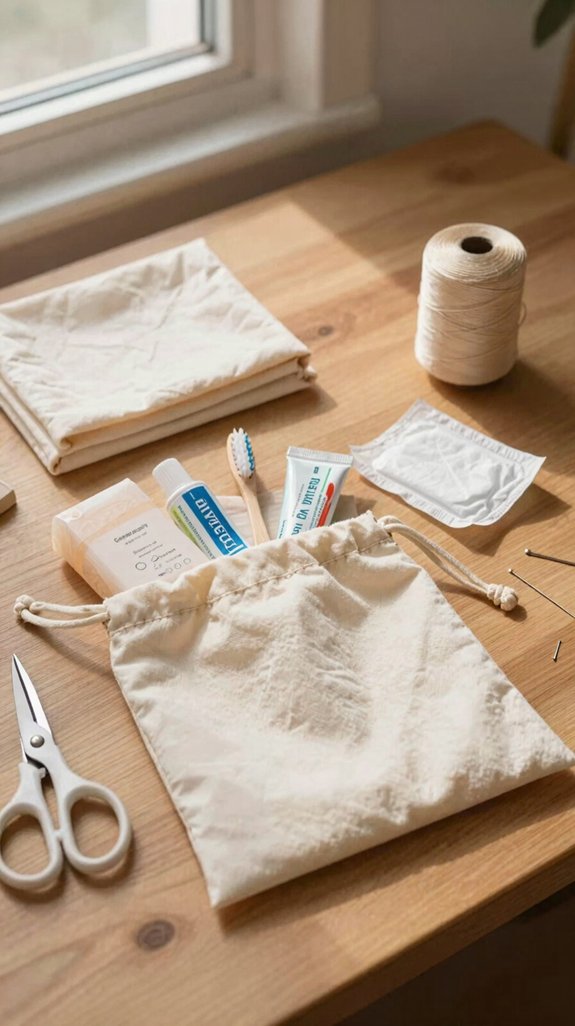
Drawstring hygiene bags turn a few simple seams into a handy little home for soap, deodorant, washcloths, and menstrual supplies—and that’s a big deal!
Before you sew, ask your local shelter or aid group for its drawstring sizing guide, dimensions, labels, and whether it accepts only new fabric. You’ll help your neighbors without creating extra work—hooray!
Choose washable, sturdy cloth, thread, and cord. Stitch the side seams, fold a reinforced casing, and add a secure tie.
For durable stitching tips, backstitch at stress points and test the pull.
Your finished bag can reach shelters, carrying care with dignity daily.
School Pencil Cases
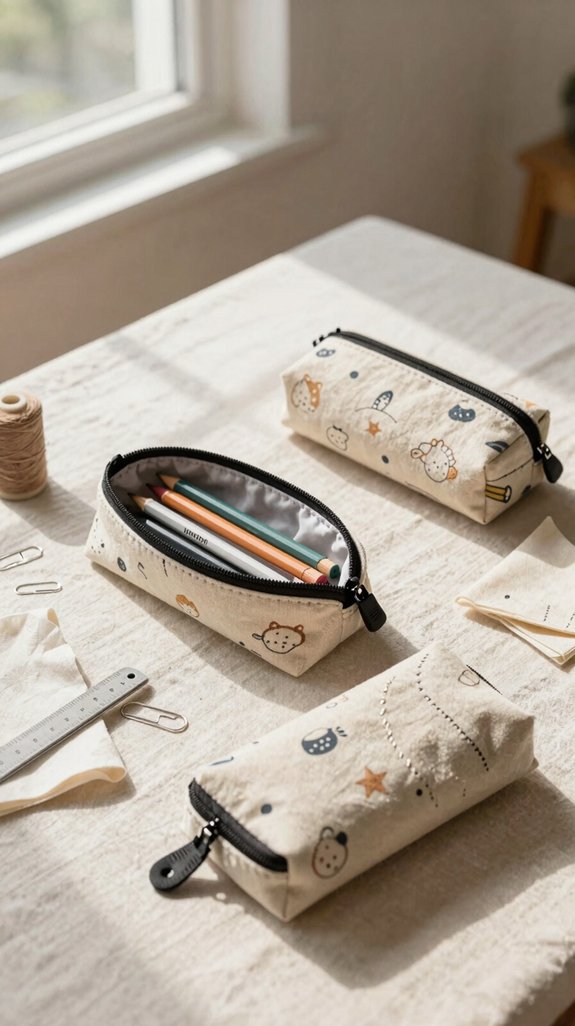
A bright, sturdy pencil case can help a student keep pencils, markers, and little school treasures from wandering to the bottom of a backpack—no more graphite scavenger hunts!
Your beginner-friendly project brings welcome order to a colorful classroom, and it doesn’t cost much. Choose washable 100% cotton, a sturdy zipper, and a standard pencil-set size.
- Cut two rectangles.
- Sew sides and zipper.
- Add a pocket.
- Check charity rules.
For Operation Christmas Child, zipper bags can tuck into shoeboxes beside supplies. Prioritize zipper durability; a longer opening lets kids find every crayon. You’ll send a useful little team-player!
Hooray, friends!
Reusable Menstrual Pads
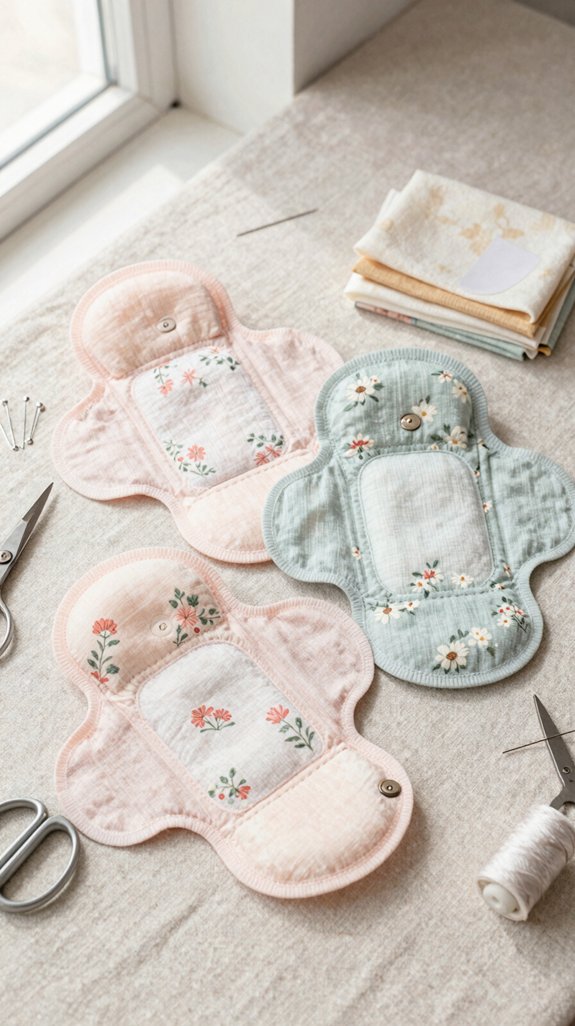
Reusable menstrual pad kits turn simple sewing into steady support, helping girls manage their periods and keep attending school—now that’s a project with real heart!
Join a local chapter or community sew alongs, then use the pattern and sustainable materials.
Follow every size, absorbency, and washing rule; a cute fabric choice can’t fix a soggy pad!
For donor coordination, secure pads in the required kit or Sew Powerful purse, add school supplies and an encouraging note.
Your Impact measurement matters: Sew Powerful sent over 54,000 purses to girls in Zambia from 2015–2020. That’s stitches becoming confidence and classroom days!
Pet Blankets
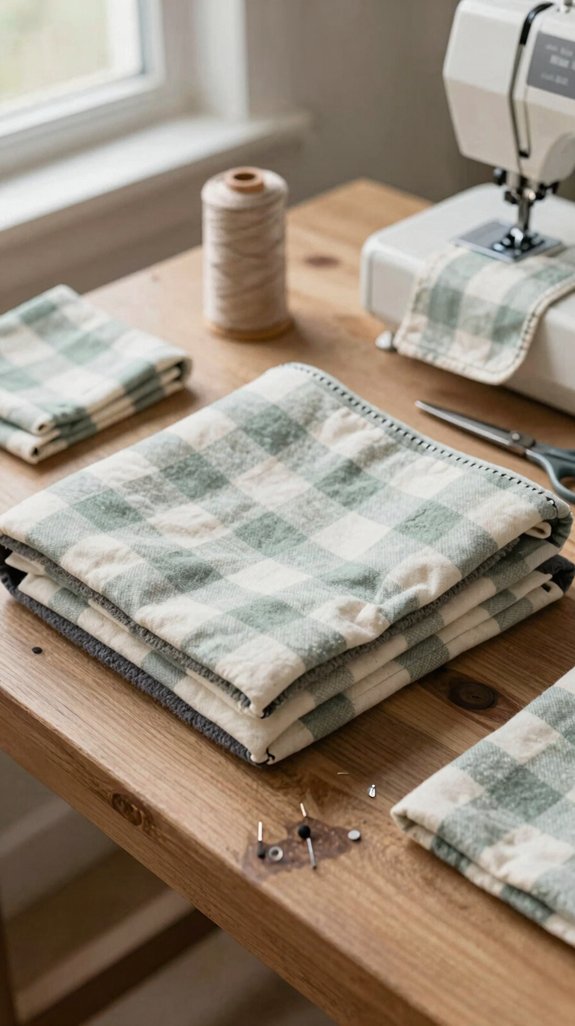
Pet blankets give shelter dogs and cats a soft, familiar spot to curl up, even when everything else feels new—and you can make one without excellent skills or a giant fabric budget! Pick washable fleece or cotton, and focus on fabric safety: avoid loose parts and tiny ties.
- Match foster or kennel size targets
- Aim for donation washability, so it’s machine washable
- Use quick-sew or tied fleece for fast batches
- Send a note with materials and care
Check new vs. gently used rules, pack clean, and you’ll help pets feel like they really belong today!
Dog Bandanas
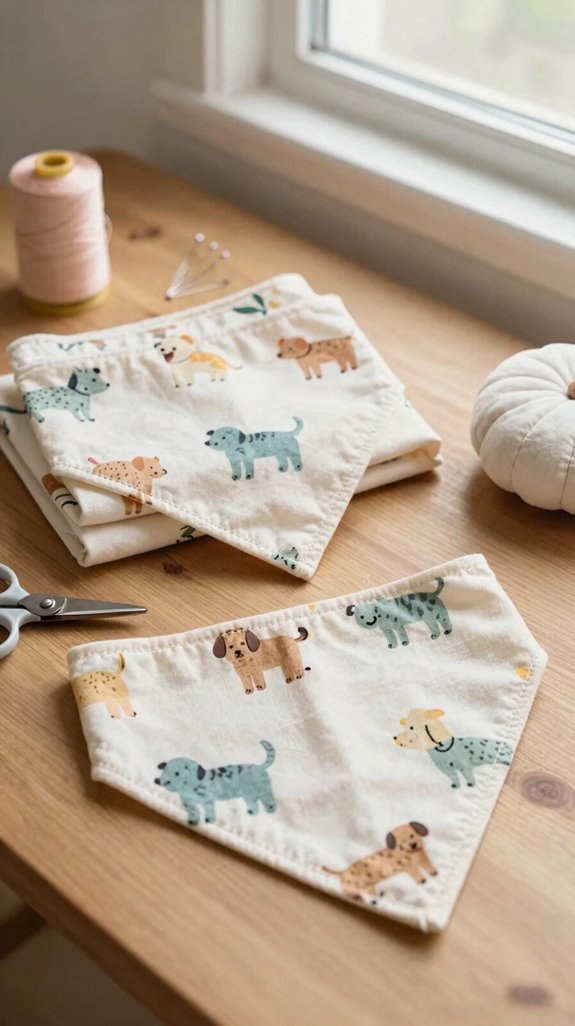
After you’ve made a few pet blankets, you’ll be amazed how quickly you can switch gears to something smaller and even more fun to sew—dog bandanas! You’ll meet local shelter needs fast, because these extras help dogs look and feel cared for.
Check donation size guides, then follow each shelter’s rules for size, fabric, and washability, so your bandanas won’t get rejected. Use 100% cotton and add secure, non-irritating closures.
| Size | Fabric | Closure |
|---|---|---|
| S | cotton | ties |
| M | cotton | snap |
| L | cotton | velcro |
If they’re silent, sew a reversible, rounded-corner bandana, reinforce edges, and donate sets of 3–5 for breeds!
Cat Beds
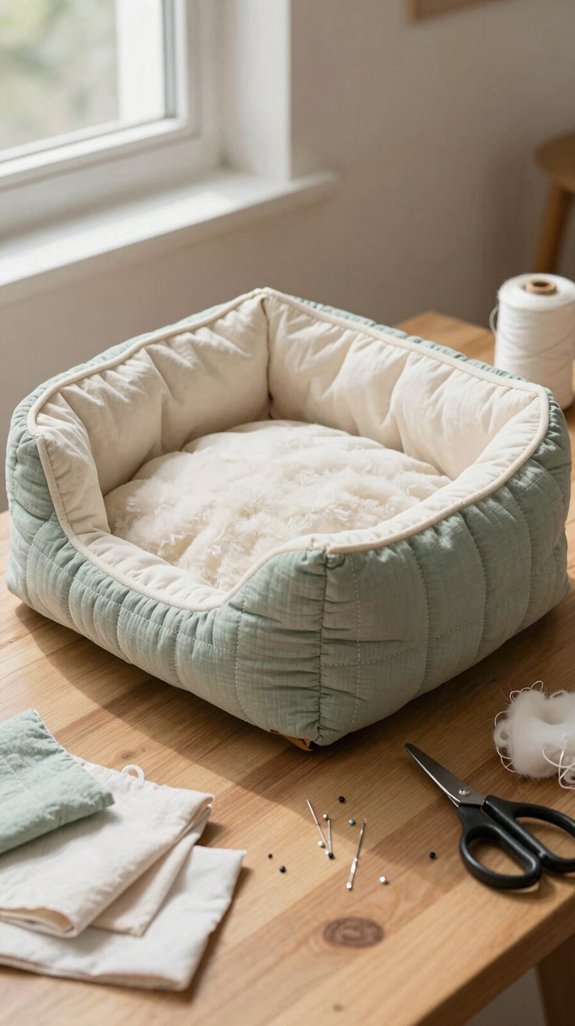
Once you’ve knocked out a few pet blankets, cat beds feel like the next fun “level up,” because they’re quick, cozy, and shelters can actually use them right away! You’ll feel part of the rescue team when your beds fit and hold up.
- Choose fleece or quilted with machine washable construction; avoid loose ties.
- Match comfort bed sizing to the rescue’s exact round/rectangle and kennel/carrier spot.
- Sew secure seams, reinforced corners, and no small parts; keep covers easy to launder.
- Include a tag (new/used, fabric, wash tips), use unscented detergent, and fully dry.
Hand them!
Fidget Quilts
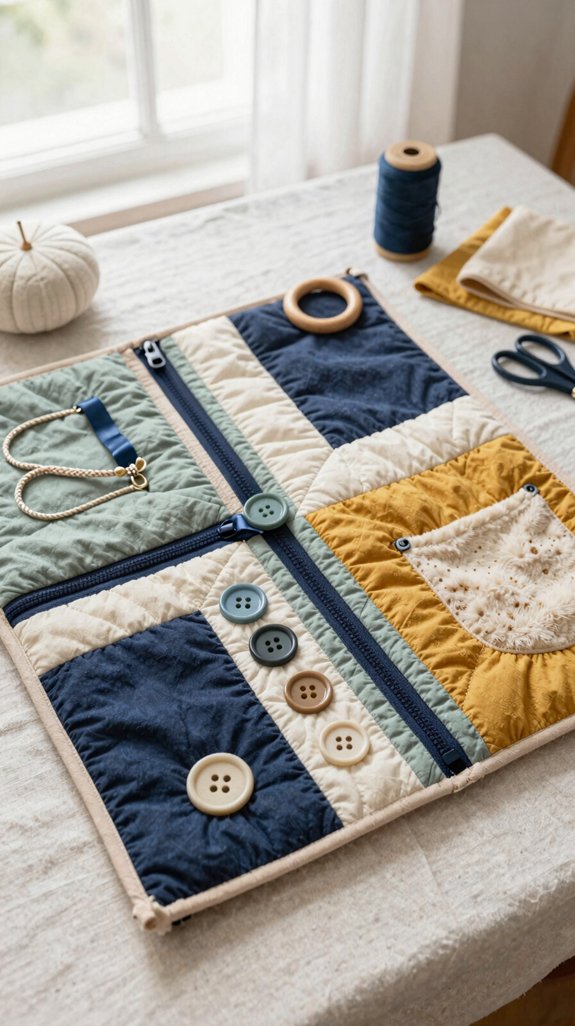
Fidget quilts are like busy blankets that help kids stay calm and focused—seriously, it’s sensory support you can sew with your own two hands!
You’ll add stitched textures—ribbon tags, zipper or button pulls, and fabric loops—then sew secure pockets from washable, child-safe, non-scented fabric.
Use sensory labeling on the quilt so helpers know what each section does, and do tug testing before donating.
Follow the org’s size and safety checklist: reinforce seams, skip loose buttons or small parts, and check it’s easy to launder.
Ask if they want plain fidget patch styles or a full layout, and request templates.
Sensory Blankets
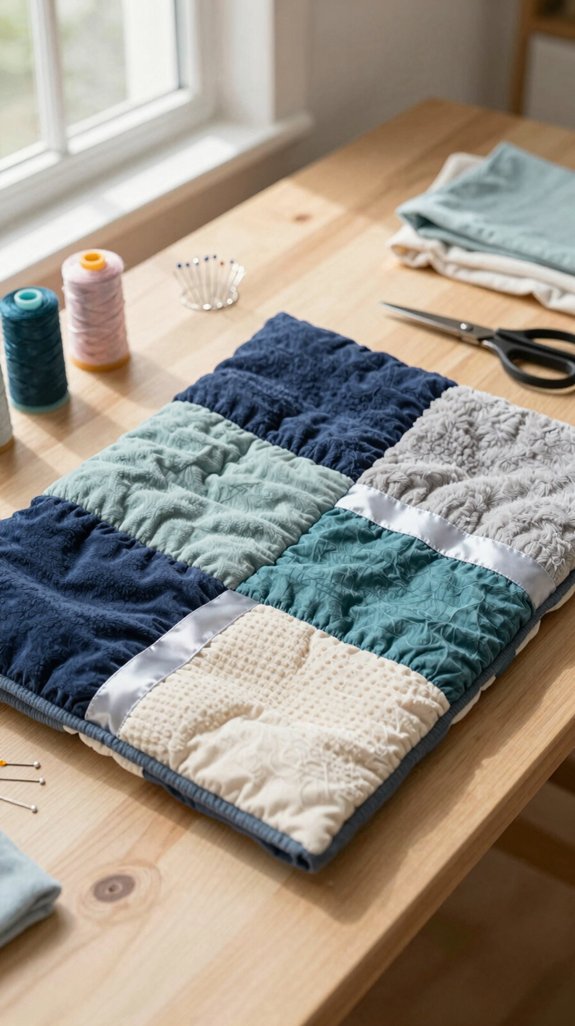
Sensory blankets are more than cozy throws—they’re handmade comfort items that can help someone calm down, focus, and feel safe, all while staying busy with gentle textures. You’ll belong to a mission when you sew for people who need support!
Choose washable soft fabrics, then add variety: fleece, cotton, and small sewn-on features for tactile fun.
- Check each charity’s size/material rules before cutting.
- Use gentle textures with no rough seams.
- Add safety secure attachments so nothing loosens.
- Follow Donation laundering tips, like unscented detergent.
Quick steps: stitch durable edges, test tug points, and donate really approved blankets—your handiwork soothes.
Prayer Shawls
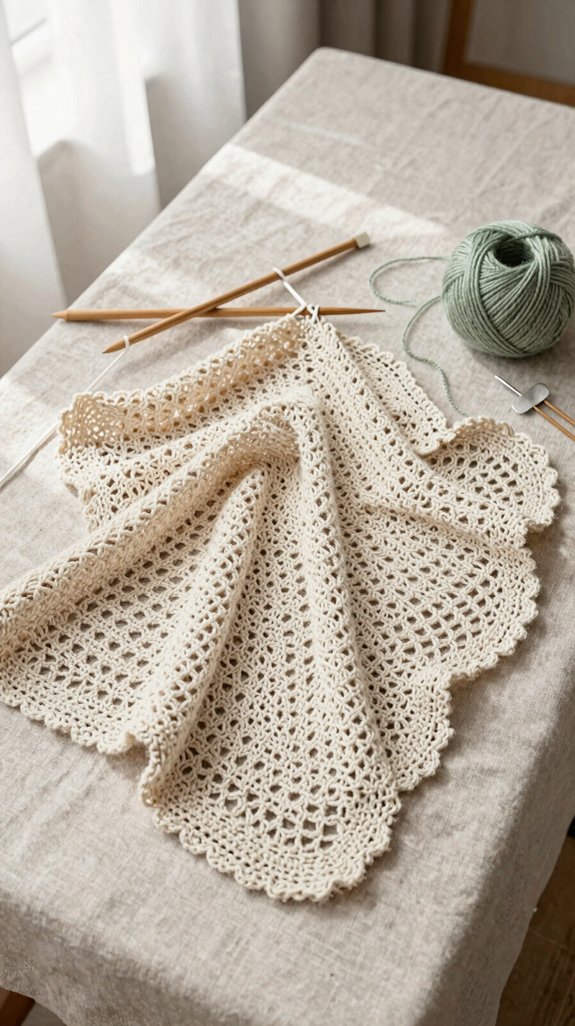
When you make a prayer shawl, you’re turning soft yarn into real comfort, stitch by stitch! You give a space for someone to feel seen, prayed over, and held.
Start by confirming Prayer shawl sizes, since groups often want lap- or shoulder-width shapes that drape just right.
Then focus on choosing soft yarn, washable and gentle, so it’s easy to wear often.
Join a ministry or hospital program, follow their exact pattern, and add a standard prayer note or tag.
Materials: yarn, needles or hooks, and a card.
Step-by-step, knit or crochet, whisper your intention, deliver it with love!
Memory Bears
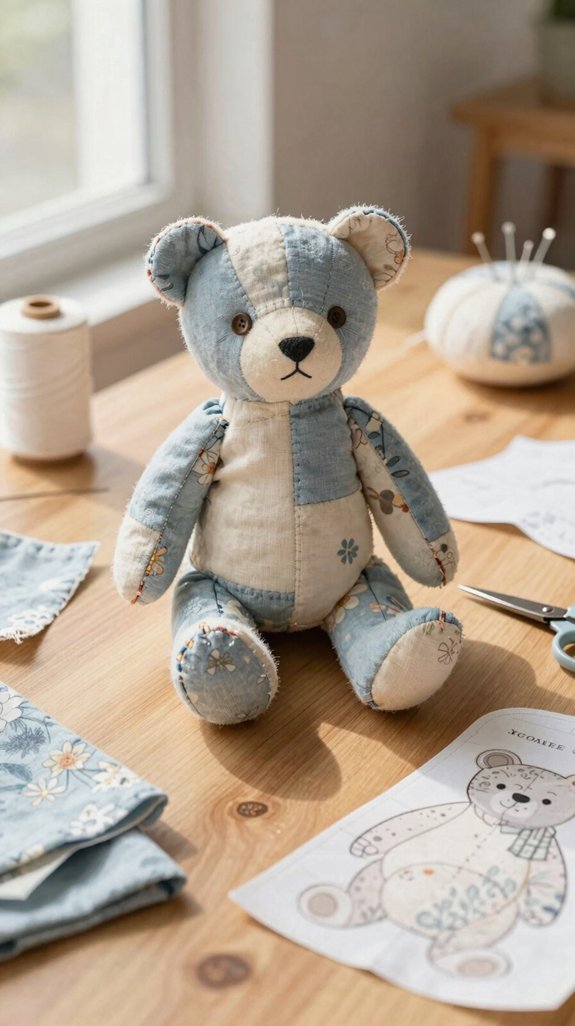
After you’ve made prayer shawls that wrap someone in comfort, you might love another heartfelt project—memory bears!
You’ll turn clothes into a soft keepsake, so families feel they belong.
- Confirm donation acceptance rules first, including finished bear sizing.
- Practice Donor clothing safety: wash, skip strong scents, and handle gently.
- Add a photo or note, then stitch on a label for that “this is yours” feeling.
- Check whether the charity wants new supplies only, and how they ship or deliver bears.
Grab T-shirts or pajamas, cut, sew, stuff, and close.
When you finish, expect a timeline—some programs deliver through hospitals!
Warm Winter Scarves
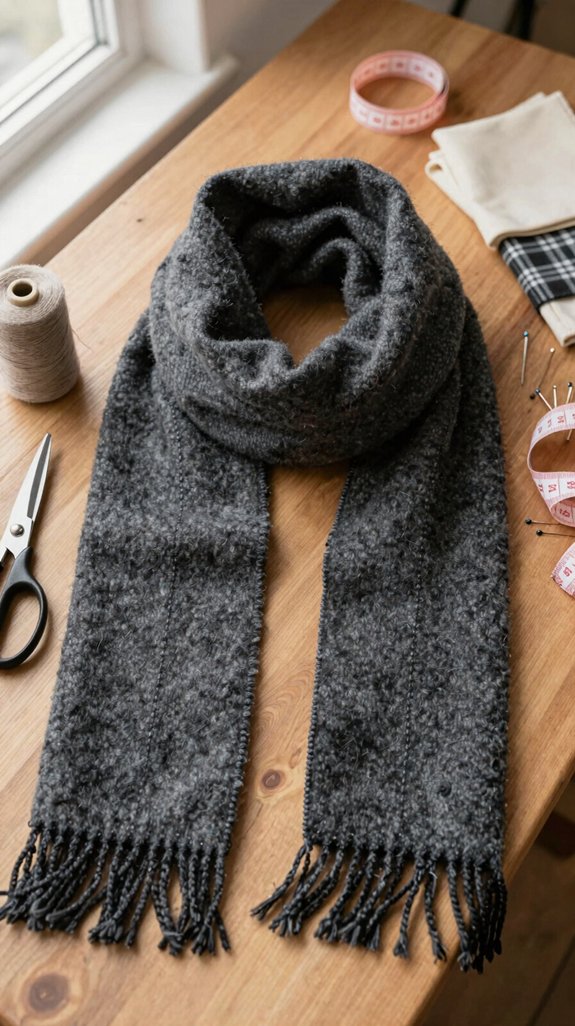
Before you fire up your sewing machine for warm winter scarves, double-check that the charity you’re helping actually asks for “chemo comfort” items (or hats and scarves for cancer support)—many programs welcome them with open arms! If they don’t, choose the right request, so you belong.
Choose soft, washable fibers, often 100% cotton, and obey size and material rules. Skip scented or treated textiles, follow color washability rules, and pick kid friendly patterns like stripes or tiny stars.
Confirm they accept handmade items and tell you how they’ll store and wash them. Do a seam test, measure, then donate!
Lap Quilts
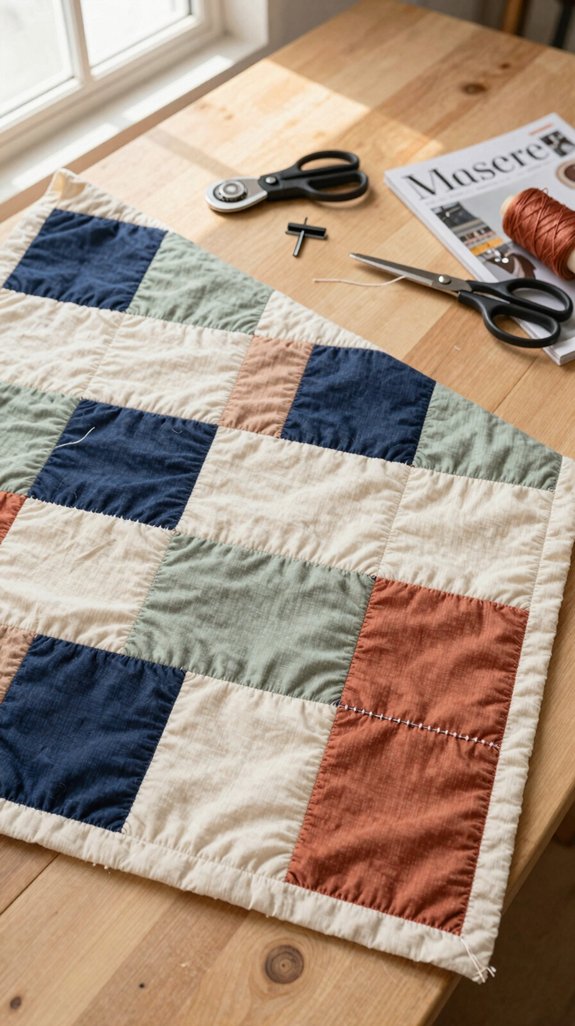
Lap quilts are one of the coziest charity sew-in wins you can make, and they’re also super practical—because they’re designed to fit right on a lap while someone’s relaxing on a couch or chair. Aim for sizing guidelines: 40–60 inches, usually rectangle or square, and you’ll fit the need!
- Use washable, good-quality fabric for fabric safety, and pre-wash with unscented detergent if required.
- Measure for 40–60 inches; don’t guess “big enough.”
- Check overlaps: Quilts of Valor may label 56–60×90 or 60×96 as Veterans/Twin.
- Follow their quilting style, then donate to the right size pile.
That’s how you help fast!
Fabric Toy Bags
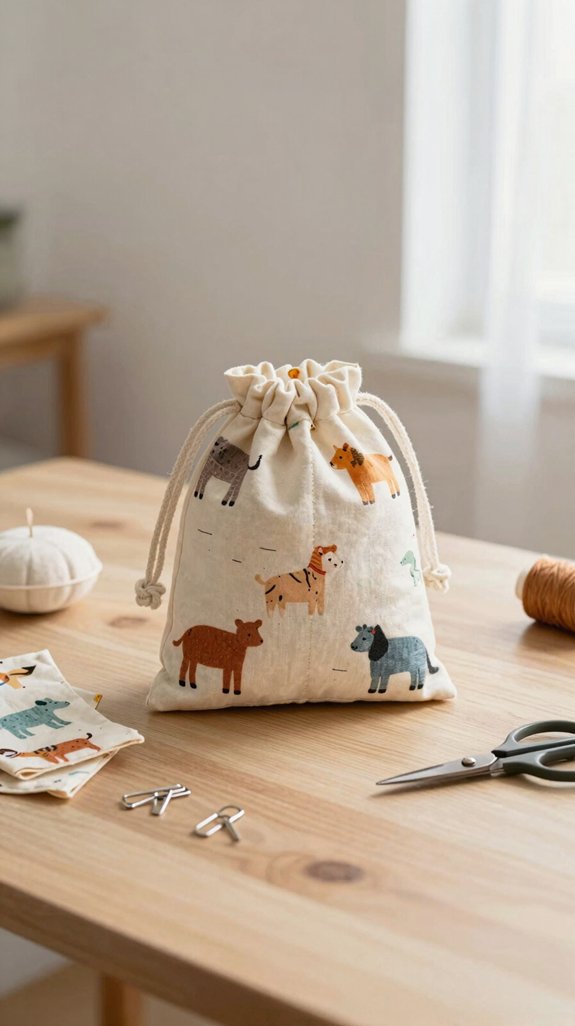
Fabric toy bags are one of those surprisingly satisfying charity projects that feel small, but help a lot—because they keep little toys together, clean, and easy to grab when kids need them most!
You’ll sew simple drawstring or tote-style bags from sturdy, washable 100% cotton, using Careful sizing guidelines, washable material choices.
Quick steps: cut two rectangles, sew sides, add a casing for the drawstring, and top-stitch handles.
Before you sew, follow their exact dimensions and closure rules, even labeling. If they want toy/comfort sets, pack, don’t cram, and include any requested notes.
That care makes recipients feel seen!
NICU Blankets
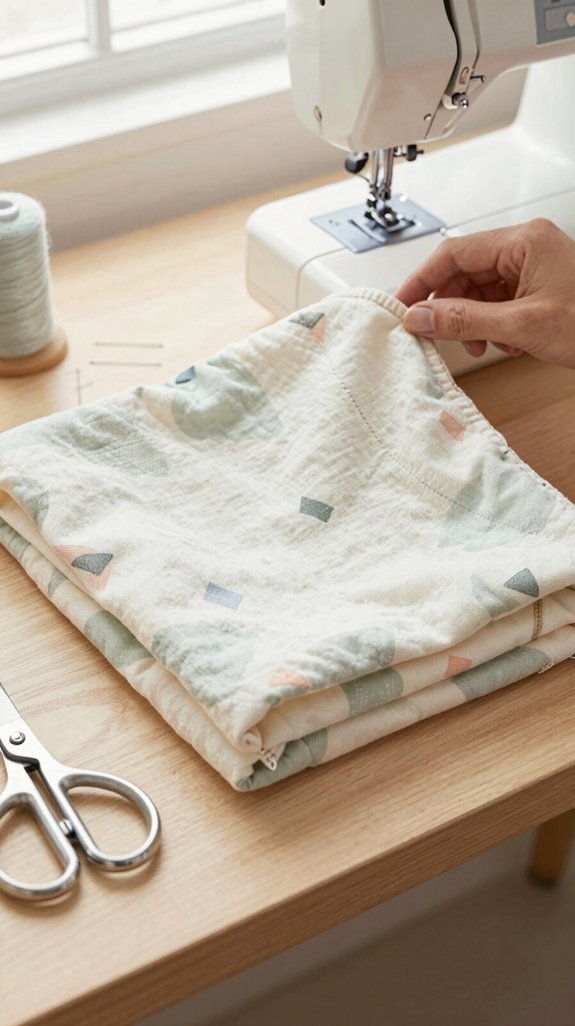
Once you’ve made fabric toy bags that help kids stay organized and comforted, you’ll probably love the next “tiny project with a big impact” challenge: NICU blankets!
Project Linus takes washable blankets via your local chapter, and NICU charities want gentle skin safety plus easy wash instructions.
Quilts of Valor isn’t NICU, but it models standards like 100% cotton—still, follow your charity’s exact size and material rules.
- Secure seams; skip scratchy trims.
- Keep embellishments tight, no loose bits.
- Use cozy, practical cuddle-ready construction.
- Double-check dimensions, care, and timing.
This helps families feel like they belong!
Reading Pillows for Schools
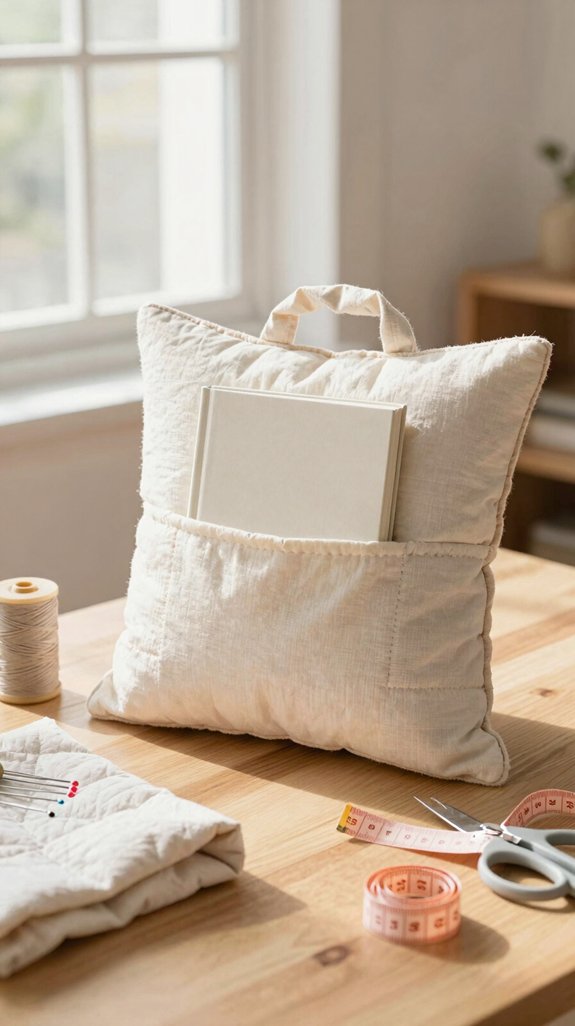
Ready to make a difference in a classroom without anything complicated? Find a reading pillow program, and sew washable, durable covers that follow Sewing safety standards: secure closures, no loose embellishments, and tough seams. Confirm the pillow size and whether stuffing is provided. Donate fully finished pillows, plus a note labeling materials. If you’re helping locally, contact the district or library for how many they need. Track each one with donation tracking sheets every time!
| Step | Quick win |
|---|---|
| Check specs | Confirm size and stuffing |
| Sew safely | Sturdy seams, child-safe closures |
| Finish strong | No partial projects |
| Ship smart | Label contents |
Choosing the Right Fabrics for Donations
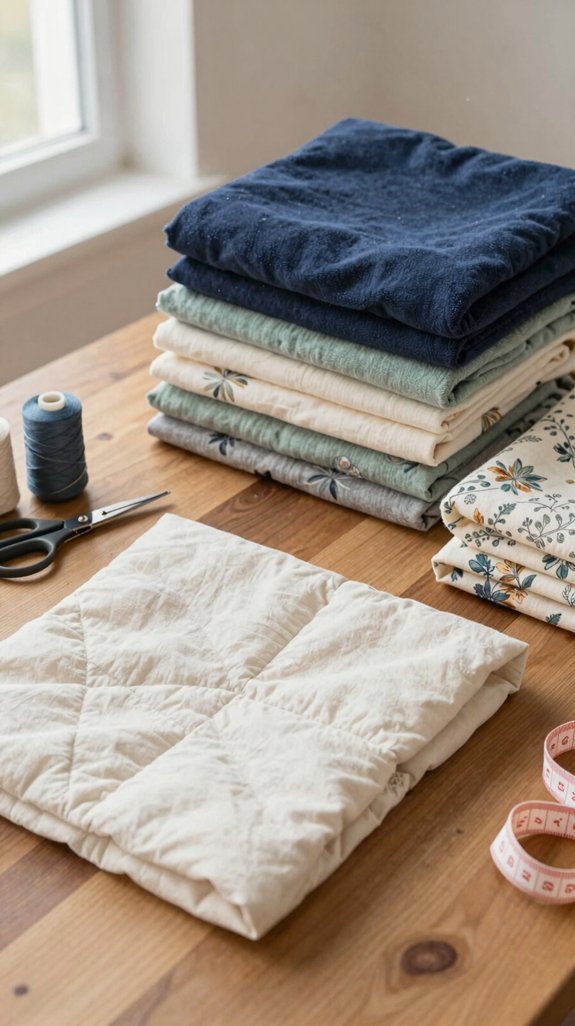
Before you cut a single yard, check the charity’s fabric rules—seriously, it saves you time and prevents heartbreaking “we can’t use this” moments later.
Check Material Rule Verification, not guesses. Ryan’s Case for Smiles wants all-new 100% cotton, and pillowcases can’t be scented-detergent washed.
Use Recipient Specific Fabric Matching for climate and repeat use!
- Hospitals and summers: choose lightweight, breathable cotton, please!
- If they accept laundered donations, follow unscented cleaning rules.
- Quilts of Valor: use 100% shirting-weight cotton for quilts.
- Go durable and easy-care for chemo comfort hats or scarves.
You’ll feel like you truly belong, and help fast!
Working with Local Charities
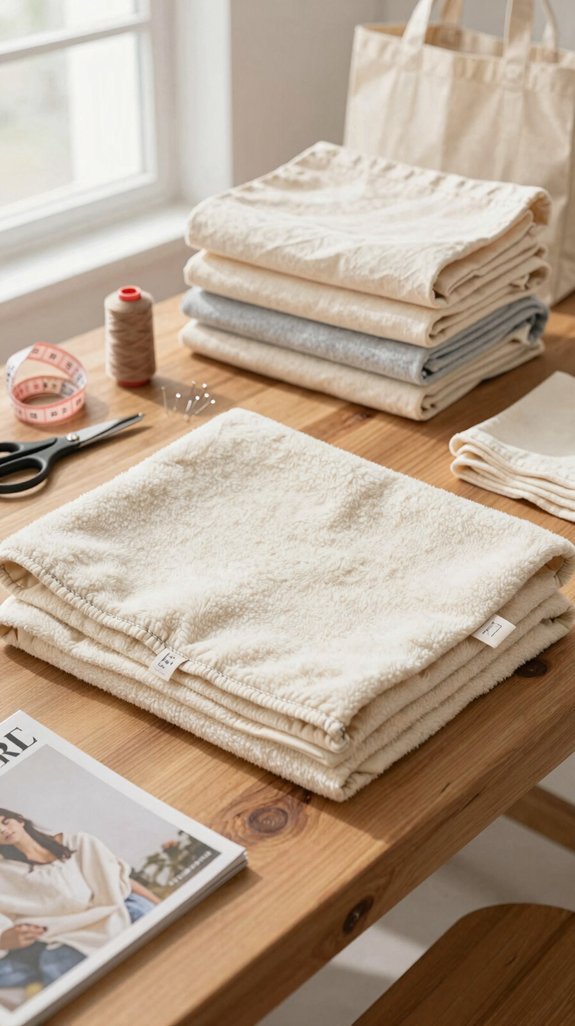
Find the closest chapter—Project Linus or Ryan’s Case for Smiles—and follow exact size, fabric, and processing rules.
Ask how donations are handled, match requests to real climates, and watch for specifics like 100% cotton and no scented detergent.
If they can’t accept certain items, offer packaging, cutting, or local pickup coordination, then sew for perfect fit!