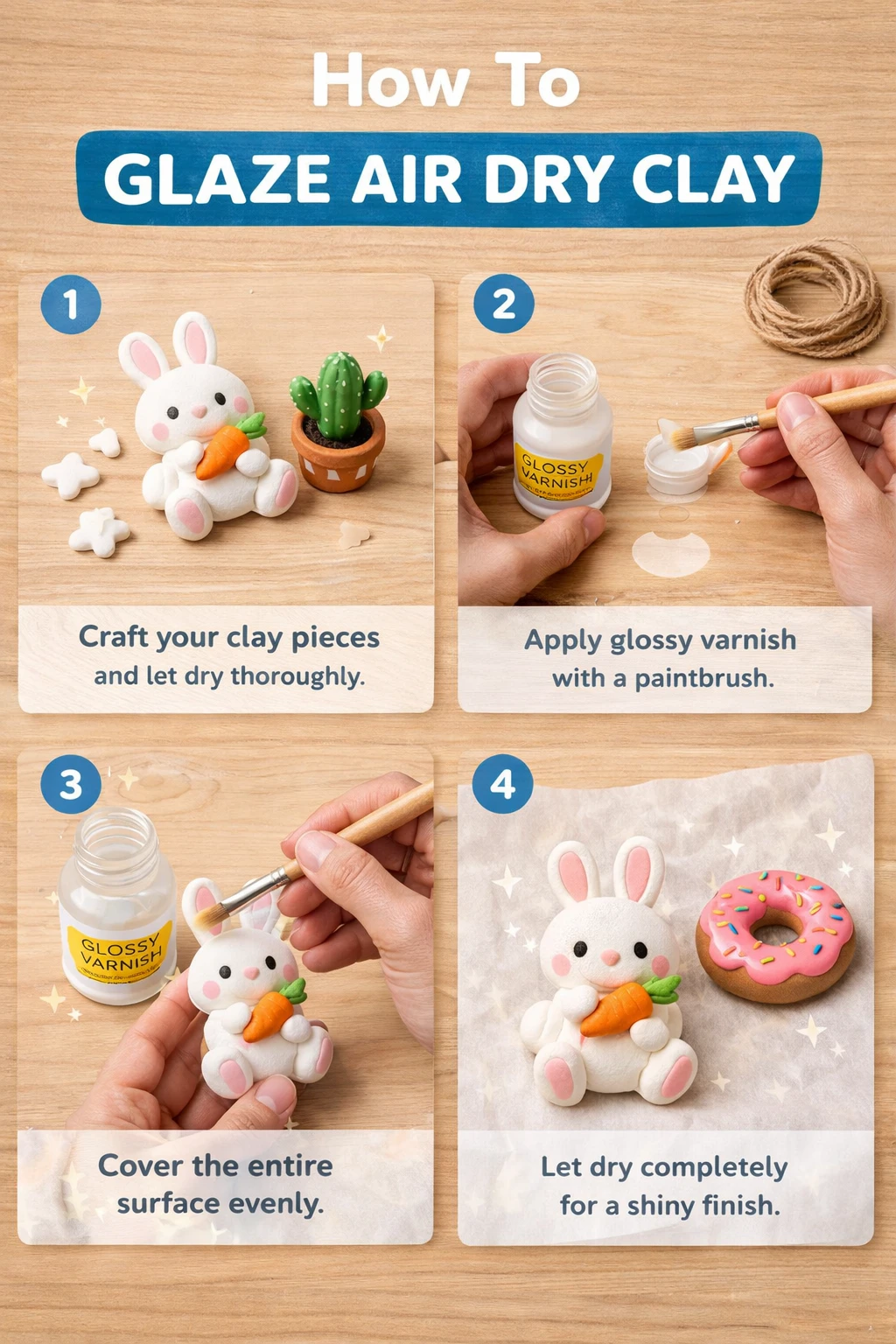
The Ultimate Glaze Air Dry Clay Guide (2026)
Disclosure: This post may contain Amazon affiliate links, at no extra cost to you. Content on DiyCraftNest is created with research support from AI tools and carefully reviewed, edited, and fact-checked by the lead author, Daniel Pat, to ensure accuracy and reliability. Learn more
Love cozy DIY projects? 💕
Get free printable guides, exclusive tutorials & surprise craft goodies straight to your inbox.
Welcome to the definitive resource for finishing your clay masterpieces. If you have spent hours sculpting, smoothing, and drying your creation, applying the right glaze air dry clay finish is the critical final step that determines whether your art lasts for years or degrades within months. As we move into 2026, the technology behind sealants and glazes has evolved, offering artists more durable, eco-friendly, and crystal-clear options than ever before.
In this guide, we will explore why glazing is not just an aesthetic choice but a structural necessity. Whether you are a professional ceramicist looking for a kiln-free alternative or a hobbyist crafting home decor, understanding the chemistry and application of modern glazes will elevate your work. We have tested dozens of products to bring you the most reliable techniques for achieving that perfect professional sheen.
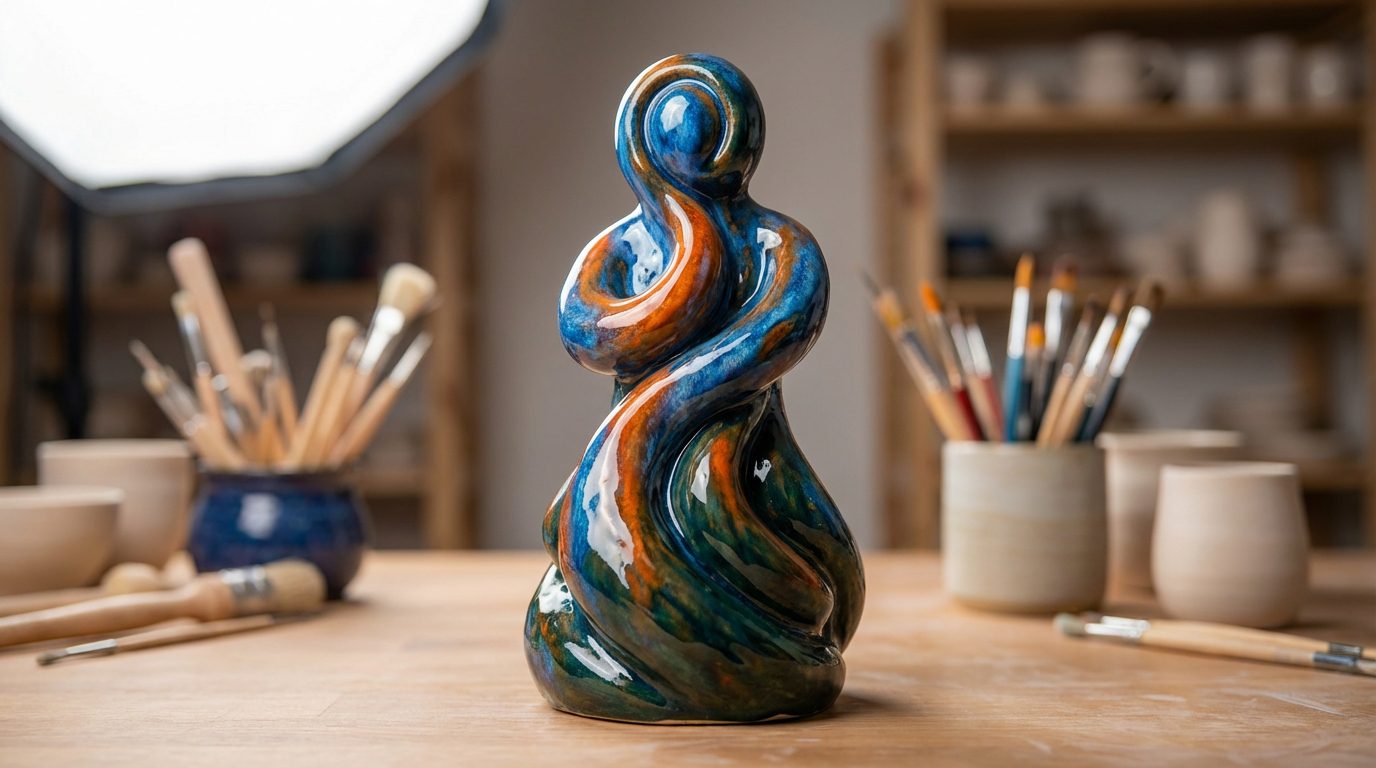
Why Glazing is Essential for Air Dry Clay Longevity
Unlike ceramic clay fired in a kiln, air dry clay remains porous and water-soluble even after it dries. Without a proper sealant, humidity in the air can weaken the structure, causing it to crumble or mold over time. A high-quality glaze acts as a barrier, preventing moisture absorption while locking in your paint and details. In our experience, unglazed pieces kept in humid environments often show signs of degradation within a year, whereas glazed pieces from our 2020 archives remain pristine today.
Important:
Glazing also provides UV protection, preventing your acrylic paints from fading under sunlight.
What is Glaze Air Dry Clay? (Definitions & Basics)
Glaze for air dry clay is a specialized protective coating applied to cured clay projects to seal the porous surface, prevent moisture damage, and enhance the visual finish. Unlike ceramic glazes that require high heat, these air-dry formulations—ranging from acrylic varnishes to UV resins—cure at room temperature or under UV light to create a hardened, waterproof, or water-resistant shell.
Understanding Different Types of Varnishes and Sealants
Choosing the right medium can be overwhelming. In 2026, the market is dominated by three main categories: water-based varnishes, polyurethane sealants, and resin-based glazes. Your choice depends entirely on the function of your piece. Is it a decorative shelf sitter, or a jewelry tray that might encounter water? Understanding this distinction is vital for the longevity of your glaze air dry clay projects.
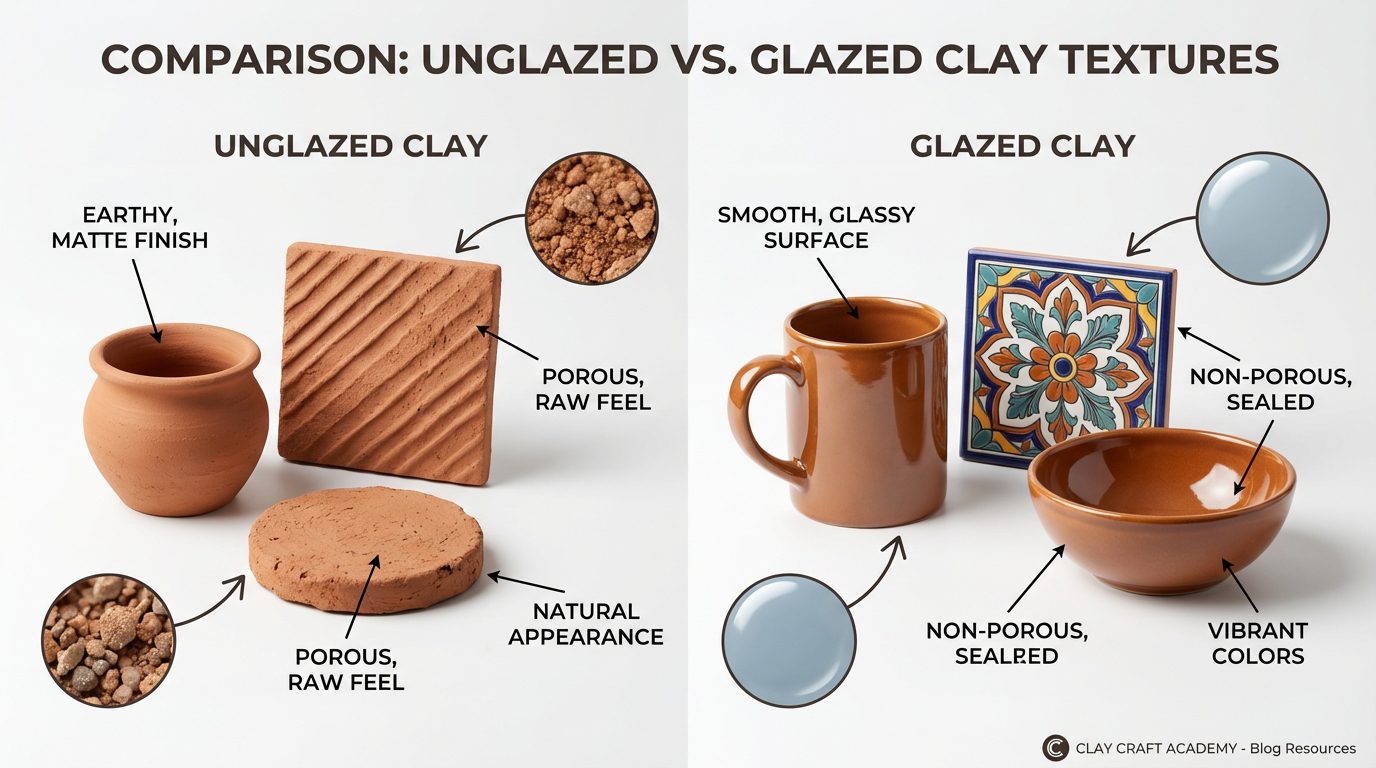
The Difference Between Resin, Acrylic, and Water-Based Glazes
To help you decide, we have compiled a comparison based on durability, finish, and application difficulty.
| Glaze Type | Durability | Water Resistance | Best Use Case |
|---|---|---|---|
| Acrylic Varnish | Medium | Water-Resistant | Decorative items, figurines, wall art. |
| Polyurethane | High | Highly Water-Resistant | Planters (with liner), coasters, trays. |
| UV Resin | Very High | Waterproof | Jewelry, keychains, high-wear items. |
| Epoxy Resin | Maximum | Waterproof | Large surface areas, tables, heavy-duty trays. |
How to Glaze Air Dry Clay in 5 Professional Steps
Achieving a streak-free, glass-like finish requires more than just dipping a brush into a bottle. Follow this professional workflow to ensure your glaze air dry clay application is flawless.
- Surface Preparation: Ensure your clay is 100% dry. Sand any rough edges with fine-grit sandpaper (400-600 grit) and wipe away all dust with a slightly damp cloth or tack cloth. Dust is the enemy of a smooth glaze.
- Tool Selection: Use a high-quality, soft synthetic brush (taklon is excellent). Avoid natural bristle brushes as they often shed hairs into the glaze and leave visible stroke marks.
- Application Strategy: Apply the glaze in thin, even coats. Do not overload your brush. Work in one direction (e.g., top to bottom) to minimize air bubbles. If using resin, pour from the center and spread outwards.
- Drying and Curing: Allow the first coat to dry completely according to the manufacturer’s instructions. For acrylics, this is usually 1-2 hours; for resins, it depends on UV exposure or mixing time.
- Buffing and Sealing: For an ultra-smooth finish, lightly sand the first coat with 1000-grit sandpaper before applying a second coat. This promotes adhesion and levels the surface.
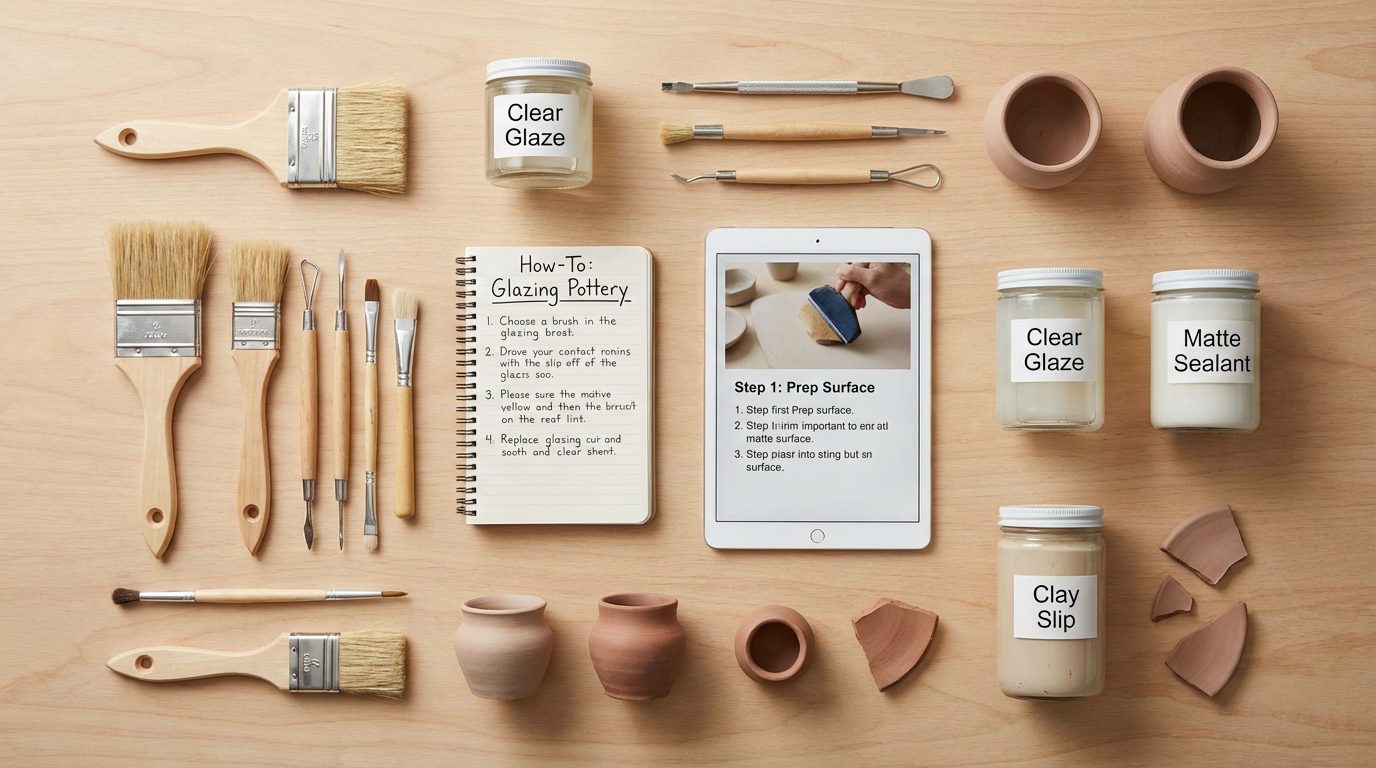
Step 1: Preparing and Sanding Your Clay Surface
Many beginners skip this step, resulting in a bumpy finish. Before you open your glaze bottle, your clay must be bone dry. If the clay feels cold to the touch, it still contains moisture. Glazing over damp clay will trap moisture inside, leading to rot or mold from the inside out. Once dry, sanding is crucial. We recommend wearing a dust mask while sanding to protect your lungs from fine silica dust.
Step 2: Choosing the Right Brush and Application Technique
The brush you choose makes a significant difference. In our tests, flat, wide synthetic brushes performed best for large flat surfaces, while round, pointed brushes were superior for detailed crevices. When applying glaze air dry clay products, avoid “scrubbing” the brush back and forth. Instead, use long, confident strokes. If you see bubbles appearing, gently blow on them (for resin) or use a dry brush to lift them out immediately.
Step 3: Curing and Drying Times for Perfect Results
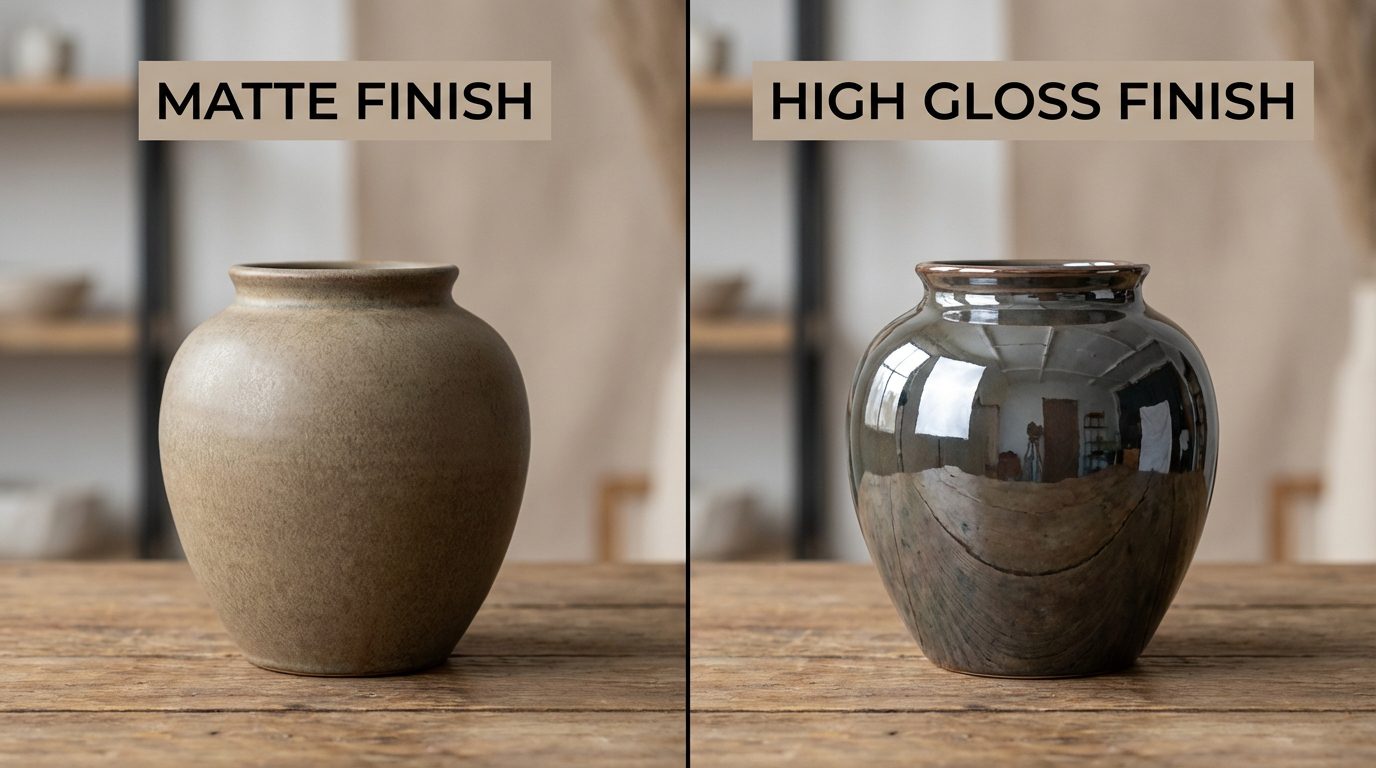
Patience is the most critical tool in your arsenal. While a varnish might feel dry to the touch in 20 minutes, it often takes 24 to 72 hours to fully “cure” or harden. Handling a piece too early can leave permanent fingerprints in the finish. For UV resin, ensure you are using a light with the correct wattage (usually 36W or higher) to prevent sticky, uncured surfaces.
Pros and Cons of Various Glaze Air Dry Clay Finishes
Every finish has its trade-offs. Being aware of these will help you manage expectations and choose the right material for your specific project needs.
Advantages of Using UV Resin Glazes in 2026
UV Resin has become the gold standard for small air dry clay items like jewelry. Its advantages include:
- Instant Curing: Hardens in minutes under UV light, speeding up production.
- Glass-like Finish: Provides the highest gloss level available without a kiln.
- Extreme Durability: Makes fragile clay pieces significantly stronger and scratch-resistant.
- Waterproofing: Offers true waterproof protection, unlike standard varnishes.

Disadvantages of Traditional Varnishes: Yellowing and Stickiness
While accessible and affordable, traditional acrylic varnishes have downsides. Over time, cheaper formulas tend to yellow, especially when exposed to sunlight. This can ruin the look of white or pastel-colored clay projects. Additionally, some varnishes react with the plasticizers in certain clays or paints, resulting in a surface that remains permanently tacky or sticky. Always test a new varnish on a scrap piece of clay before applying it to your final work.
How to Choose the Best Glaze Air Dry Clay Products?
With hundreds of products on the market, how do you select the best one? You need to evaluate the environment your piece will live in.
Waterproof vs. Water-Resistant: What Do You Need?
This is the most common confusion among crafters. Water-resistant means the item can withstand occasional splashes or being wiped with a damp cloth (e.g., a decorative bowl). Waterproof means the item can be submerged or hold water (e.g., a vase). Air dry clay is rarely 100% waterproof even with resin, but resin gets you the closest. If you need a functional vase, we recommend using a glass or plastic insert inside your clay vessel rather than relying solely on the glaze.
Eco-Friendly and Non-Toxic Glaze Options for 2026
Sustainability is a major focus in 2026. Many manufacturers have released water-based, low-VOC (Volatile Organic Compounds) varnishes that are safer for indoor use and better for the planet. Look for certifications like ASTM D-4236 on the label, which indicates the product is non-toxic. Brands are now offering plant-based bio-resins as well, which provide a great finish without the harsh chemicals found in traditional epoxy.
Inspiring Glaze Air Dry Clay Project Examples
Seeing what is possible can spark your creativity. Here is how different glazes transform common projects.
High-Gloss Jewelry and Accessories
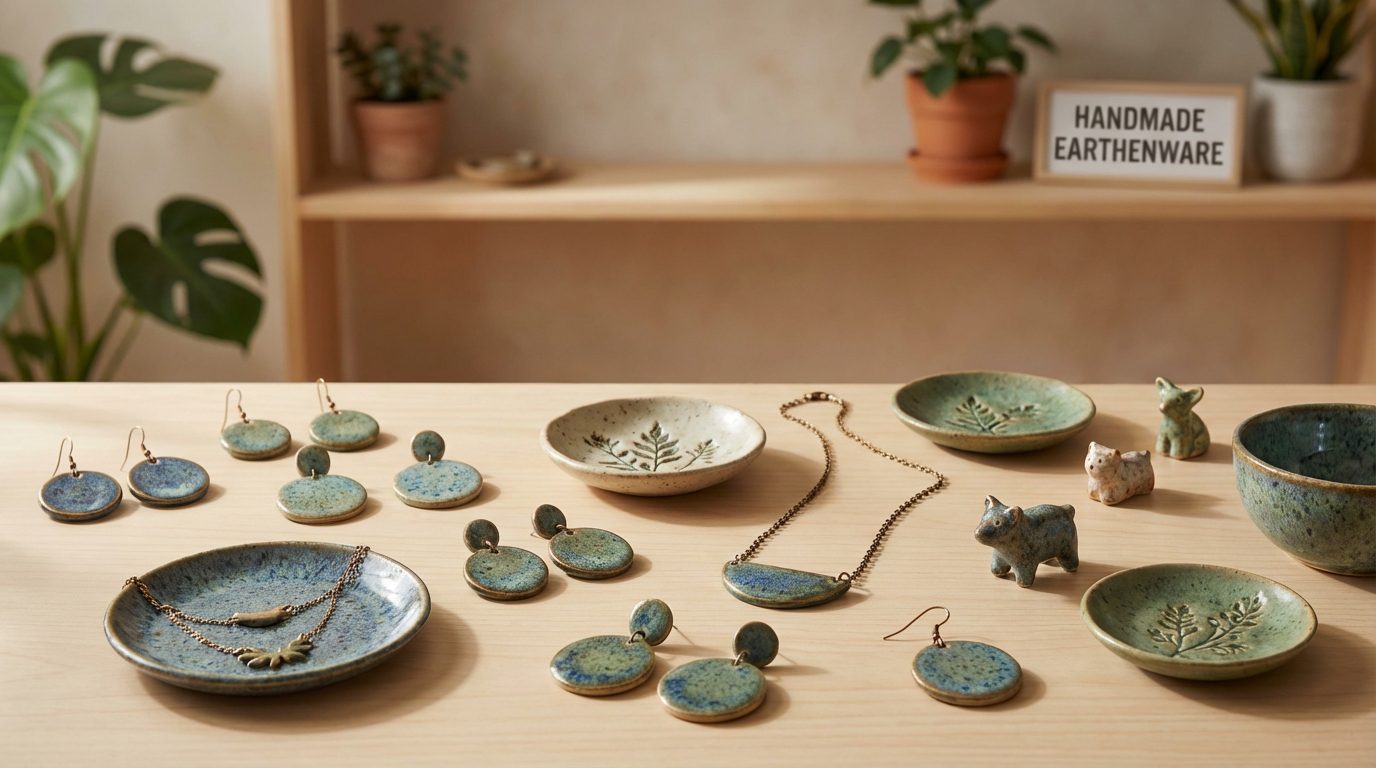
For earrings, pendants, and brooches, a high-gloss UV resin glaze is unbeatable. It mimics the look of ceramic or glass, adding a professional “store-bought” quality. The thick layer also adds structural integrity to thin clay pieces, preventing breakage if dropped.
Matte Finish Home Decor and Planters
Not everything needs to shine. A matte polyurethane varnish is perfect for modern, minimalist home decor. It protects the clay while maintaining a natural, earthy texture that looks sophisticated. This is particularly popular for faux-terracotta pots and abstract sculptures where you want the form, not the reflection, to be the focal point.
Frequently Asked Questions About Glaze Air Dry Clay
Can you use clear nail polish to glaze air dry clay?
While you can use clear nail polish for very small areas or quick fixes, we do not recommend it for professional projects. Nail polish often yellows quickly, can crack over time, and is expensive by volume compared to proper varnishes. It also contains strong solvents that may react with certain paints.
How do you fix sticky glaze on air dry clay?
Sticky glaze usually results from high humidity during drying, old product, or a chemical reaction with the underlying paint. To fix it, try applying a coat of water-based polyurethane sealer over the sticky varnish. Alternatively, if it is resin, it may need more UV light exposure or was mixed incorrectly.
Is Mod Podge good for glazing clay?
Mod Podge is a popular crafter’s choice and works well as a basic sealer for decorative items. However, it is not waterproof and can be susceptible to tackiness in humid climates. For a more durable, non-sticky finish, specialized acrylic varnishes or polyurethane sealers are superior choices.
Important:
Always store your glazing products in a cool, dry place to ensure they last until your next project.
Mastering the art of glaze air dry clay application takes practice, but the results are worth it. By choosing the right materials and following these steps, you will create durable, beautiful pieces that stand the test of time.