How To Start Easy Diy Crafts To Do At Home?
Love cozy DIY projects? 💕
Get free printable guides, exclusive tutorials & surprise craft goodies straight to your inbox.
Table of Contents
Disclosure: This post may contain Amazon affiliate links, at no extra cost to you. Content on DiyCraftNest is created with research support from AI tools and carefully reviewed, edited, and fact-checked by the lead author, Daniel Pat, to ensure accuracy and reliability. Learn more
What Are Easy diy crafts to do At Home? [2026 Guide]
Welcome to your ultimate guide on discovering the most engaging diy crafts to do from the comfort of your living room. If you have been searching for a way to unleash your creativity, reduce stress, or simply beautify your space without breaking the bank, you have arrived at the right place. In the fast-paced world of 2026, taking time to create something with your own hands is more than just a hobby; it is a lifestyle choice that champions sustainability and mindfulness.
DIY crafts to do at home refer to creative activities and projects that individuals undertake personally, using raw materials, upcycled goods, or kits to create functional or decorative items. These manual tasks range from beginner-friendly paper arts to advanced home decor, serving as a practical method for skill acquisition, mental relaxation, and cost-effective home improvement.
The Evolution of Home Crafting: From Tradition to Trend
Crafting has transformed significantly over the decades. What was once considered a necessity—knitting sweaters for warmth or building furniture due to lack of supply—has evolved into a sophisticated cultural trend. In our experience, the shift towards diy crafts to do gained massive momentum in the early 2020s and has matured into a stable industry by 2026. Today, crafting is driven by the desire for personalization. You no longer want mass-produced items that everyone else owns; you want unique pieces that tell your story.
Technological advancements have also played a role. With the accessibility of 3D printing pens, smart cutting machines, and AI-generated design patterns, the barrier to entry has lowered. However, the core appeal remains the tactile joy of working with physical materials. Whether it is pottery, macramé, or digital scrapbooking, the essence of “Do It Yourself” empowers you to take control of your environment.
Why are diy crafts to do important in 2026?
In 2026, the importance of engaging in diy crafts to do extends beyond simple aesthetics. We are living in an era where digital fatigue is real. Engaging in manual tasks provides a necessary “digital detox.” Furthermore, with the rising global focus on circular economies, DIY culture is at the forefront of sustainability. By repairing, repurposing, and creating, you are actively reducing waste.
Additionally, the economic landscape of 2026 values self-sufficiency. Being able to create gifts, repair clothes, or decorate your home manually saves significant money over time. It fosters a mindset of resourcefulness that is invaluable in modern life.
Önemli: 2026 verilerine göre, haftada en az iki saatini el sanatlarına ayıran bireylerin stres seviyelerinde %40’a varan düşüş gözlemlenmiştir. Bu, hobilerin sadece eğlence değil, sağlık için de kritik olduğunu kanıtlıyor.
Understanding diy crafts to do: What Is It and How Does It Work?
To truly master diy crafts to do, you must understand the underlying mechanisms of creativity and material manipulation. It is not just about gluing things together; it is about understanding how materials interact, how colors influence mood, and how structure ensures longevity.
Core Concepts of DIY and Upcycling
At the heart of modern crafting lies the concept of upcycling. Unlike recycling, which breaks materials down to their base state, upcycling creatively repurposes them. When you look for diy crafts to do, you are often looking for ways to transform the old into the new. This works by assessing the structural integrity of an item (like an old glass jar) and envisioning a new purpose (like a chic lantern).
The process usually involves three stages:
- Deconstruction: Breaking down an item or preparing raw materials.
- Transformation: Applying techniques like painting, cutting, sewing, or gluing.
- Reconstruction: Assembling the final piece to ensure it is functional and aesthetic.
Mental Health Benefits of Creative Hobbies
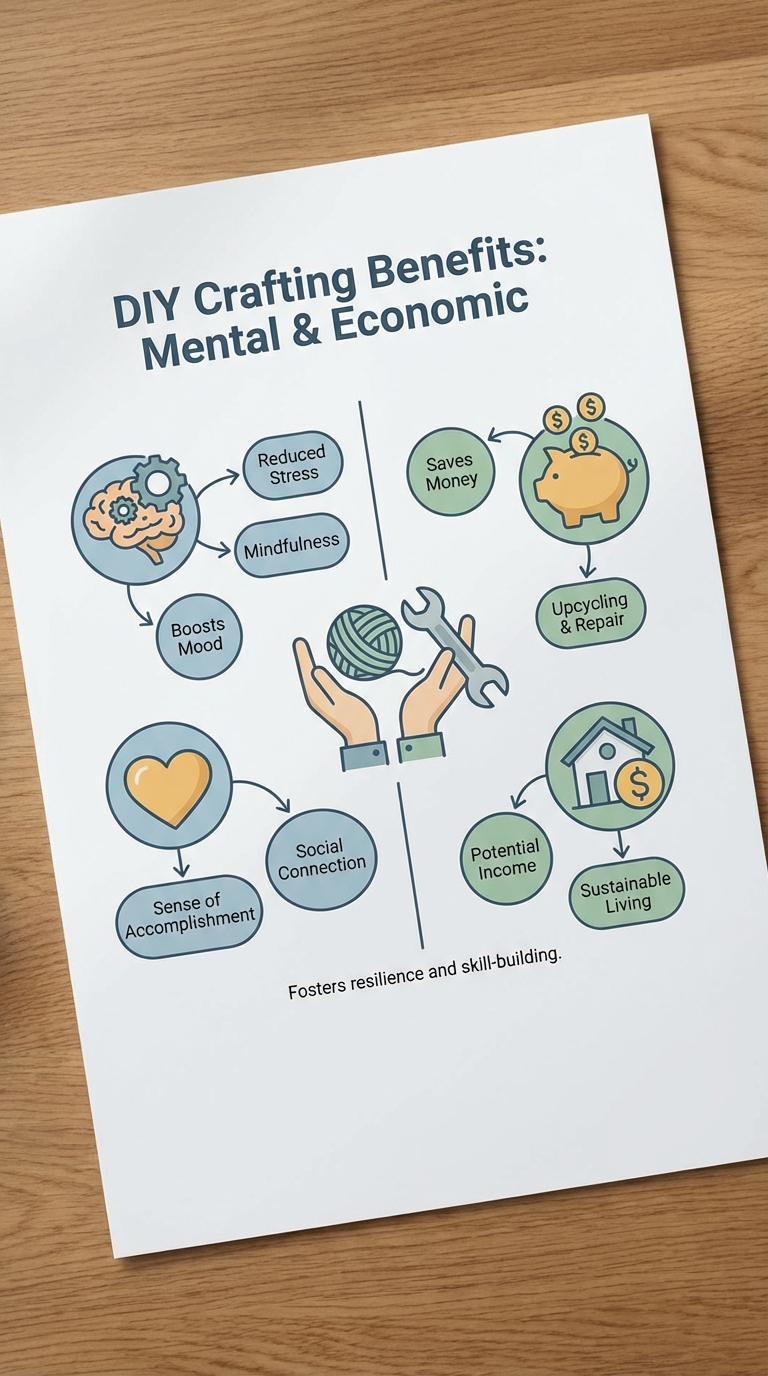
Engaging in diy crafts to do is a proven therapeutic activity. Psychologists refer to the state achieved during crafting as “flow”—a mental state of complete immersion where time seems to vanish. This state reduces anxiety and boosts dopamine levels naturally. When you finish a project, the sense of accomplishment reinforces self-efficacy. You prove to yourself that you are capable of bringing a vision to life, which translates to increased confidence in other areas of your life.
How to Start diy crafts to do in 5 Simple Steps
Starting a new hobby can be overwhelming, but we have broken down the process into manageable steps. Follow this roadmap to begin your journey into diy crafts to do without the stress.
Step 1: Setting Up Your Creative Workspace
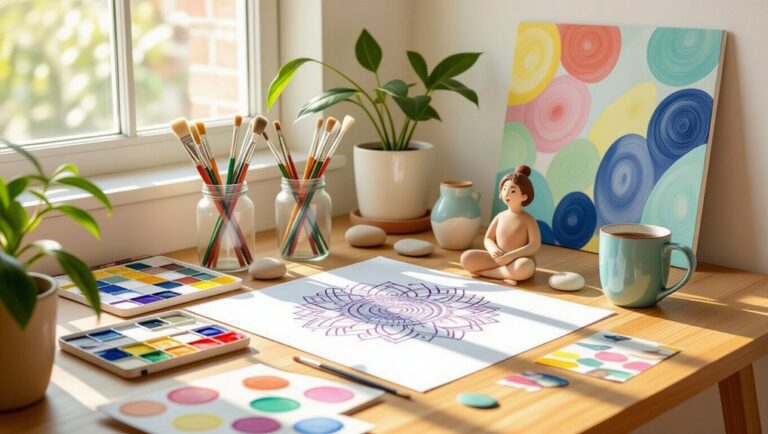
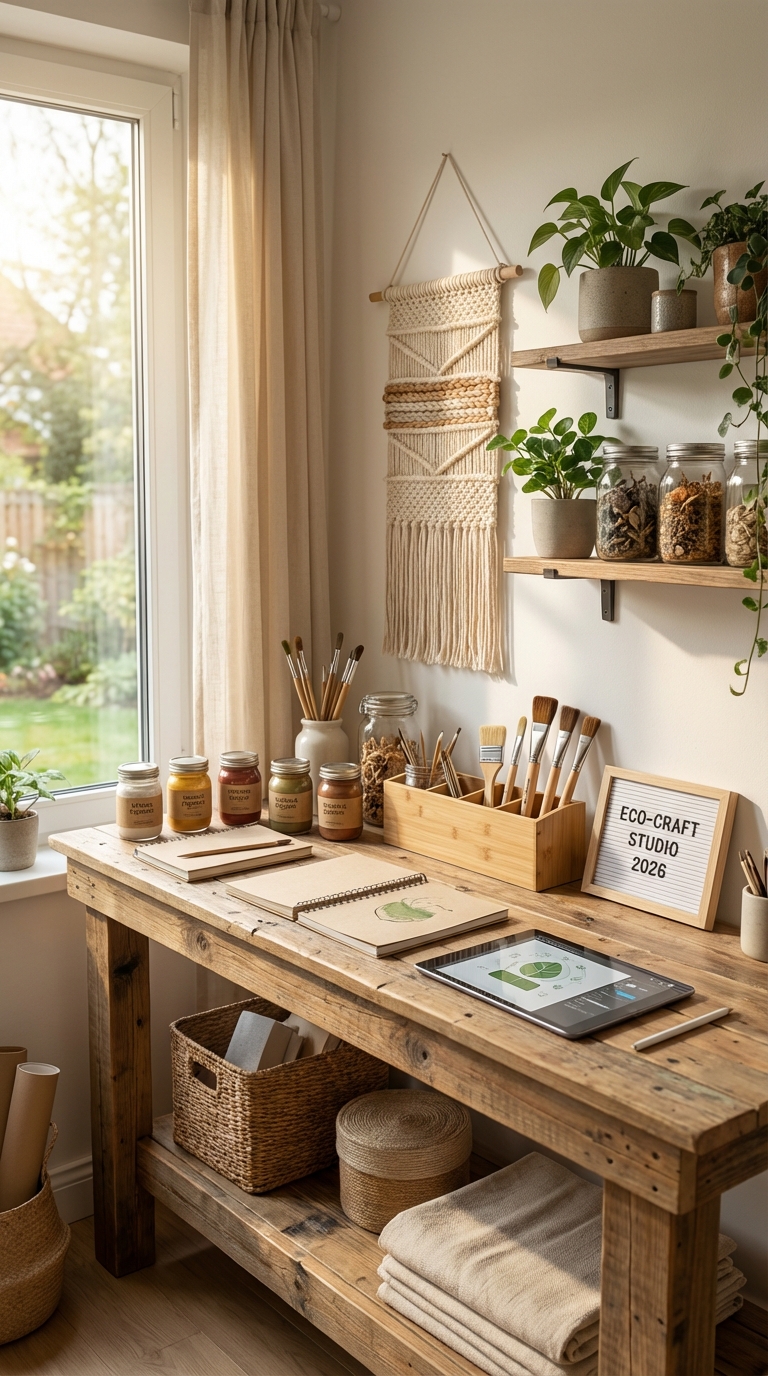
You do not need a dedicated studio, but you do need a designated zone. This could be a corner of your dining table or a portable rolling cart. The key is organization. If you have to spend 20 minutes finding your scissors every time you want to craft, you will likely quit.
Ensure your space has good lighting—preferably natural light or a high-quality daylight lamp. Protect your surfaces with a self-healing cutting mat or a simple plastic tablecloth. Comfort is also crucial; ensure your chair supports your back, as crafting sessions can last longer than expected.
Step 2: Gathering Essential Tools and Materials
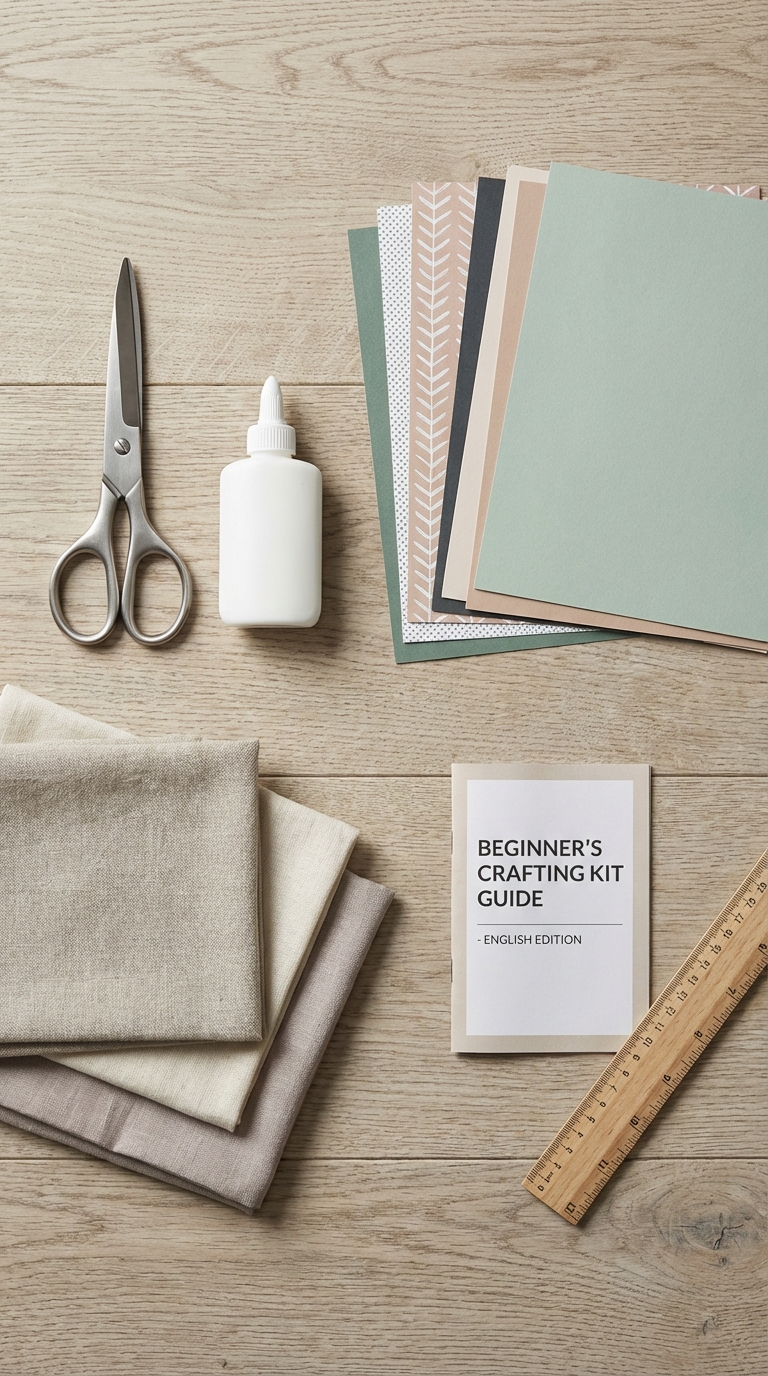
Before you buy expensive equipment, start with the basics. Most diy crafts to do for beginners require a standard set of tools. Here is a checklist to get you started:
- Cutting Tools: Sharp scissors (one for paper, one for fabric), a craft knife (X-Acto), and a cutting mat.
- Adhesives: Hot glue gun, PVA glue (white glue), and clear tape.
- Measuring: A metal ruler and a measuring tape.
- Coloring: A basic set of acrylic paints and brushes in various sizes.
- Fasteners: Needles, thread, and safety pins.
Step 3: Choosing Your First Beginner Project
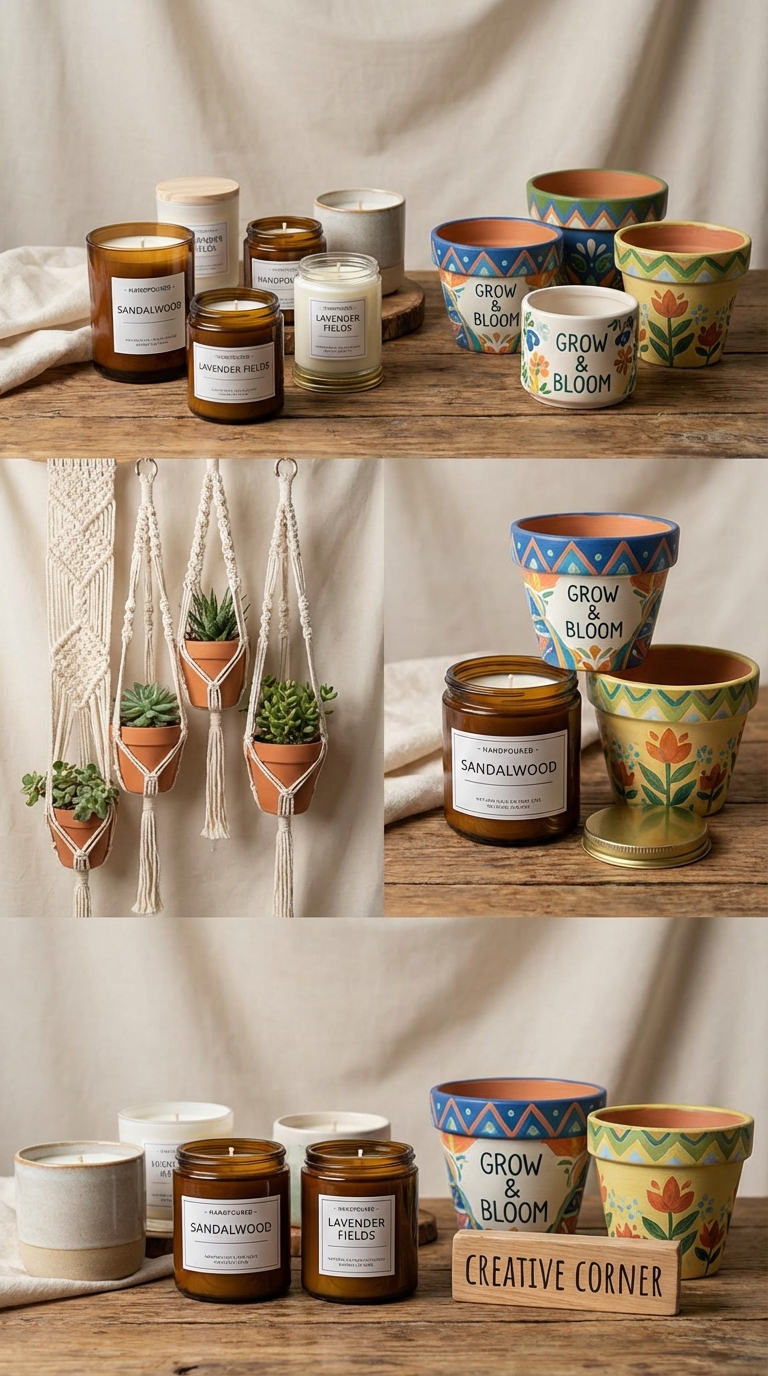
The biggest mistake beginners make is choosing a complex project found on social media. Start small. Look for diy crafts to do that can be completed in under an hour. This provides immediate gratification and prevents frustration. Good starter projects include hand-painted plant pots, simple greeting cards, or a no-sew fleece blanket. Success in these small tasks builds the momentum needed for larger projects.
Önemli: İlk projenizi seçerken “mükemmellik” değil “öğrenme” odaklı olun. Hatalar, DIY sürecinin en değerli parçasıdır ve size malzemelerin sınırlarını öğretir.
Top Examples of diy crafts to do for Beginners
Need inspiration? We have curated a list of popular and accessible projects. These examples cover various mediums and skill levels, ensuring there is something for everyone looking for diy crafts to do.
Eco-Friendly and Sustainable Craft Ideas
Sustainability is a massive trend in 2026. Try creating beeswax wraps to replace plastic wrap in your kitchen. All you need is cotton fabric, beeswax pellets, and an iron. Another popular option is turning tin cans into chic desk organizers. By cleaning the cans, sanding the sharp edges, and wrapping them in jute twine or painting them, you create functional storage for free.
Quick Paper and Textile Projects
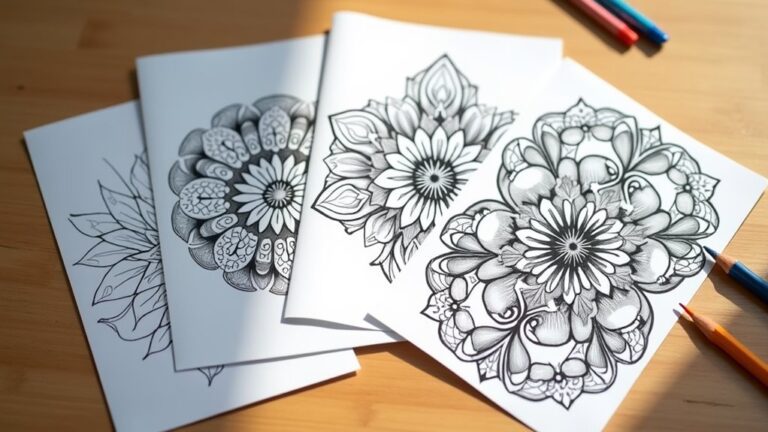
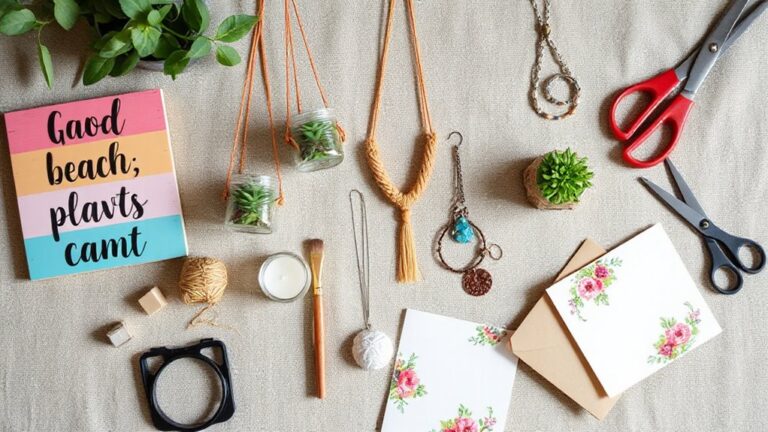
Paper crafts are incredibly forgiving and cheap. Origami is a classic example of diy crafts to do that requires zero tools—just paper. You can fold cranes, boxes, or flowers. For textiles, try macramé keychains. Using just a few knots and some cotton cord, you can create stylish accessories for yourself or as gifts. These projects are portable, allowing you to craft while watching TV or commuting.
Pros and Cons of diy crafts to do at Home
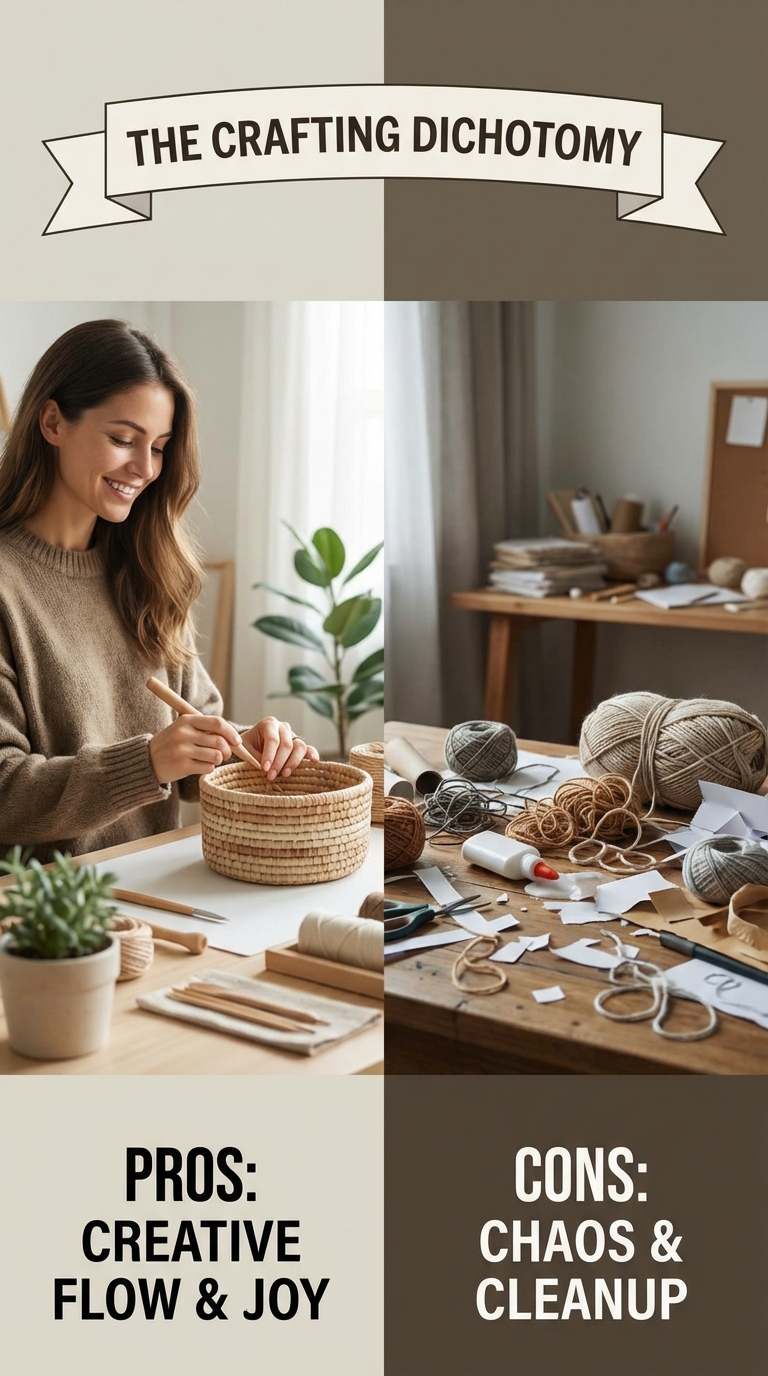
Before diving deep, it is essential to weigh the realities of this hobby. While we love crafting, we believe in transparency regarding the investment of time and resources.
| Feature | Advantages (Pros) | Disadvantages (Cons) |
|---|---|---|
| Cost | Potential to save money by upcycling and repairing items. | Initial setup for tools and quality materials can be pricey. |
| Skill | Develops fine motor skills, problem-solving, and patience. | Learning curve can be steep; frustration with failed projects. |
| Mental Health | Reduces stress, increases dopamine, provides a creative outlet. | Can cause stress if projects become cluttered or unfinished. |
| Personalization | You create unique, one-of-a-kind items tailored to your taste. | Results may not always look “professional” or store-bought. |
Advantages: Cost Savings and Skill Development
The primary benefit of finding diy crafts to do is the ability to customize your life for less. Once you have the basic tools, repairing a shirt is free, whereas buying a new one costs money. Furthermore, the skills you learn—measuring, cutting, color theory—are transferable to home maintenance and other life areas.
Disadvantages: Time Consumption and Initial Costs
Crafting takes time. In our busy world, finding three hours to paint a cabinet can be difficult. Additionally, there is the “Pinterest vs. Reality” trap. You might spend $50 on materials to make a wreath that you could have bought for $30, and yours might not look as polished. It is important to view the cost as an investment in your entertainment and mental health, not just the final product.
When is the Best Time to Start diy crafts to do?
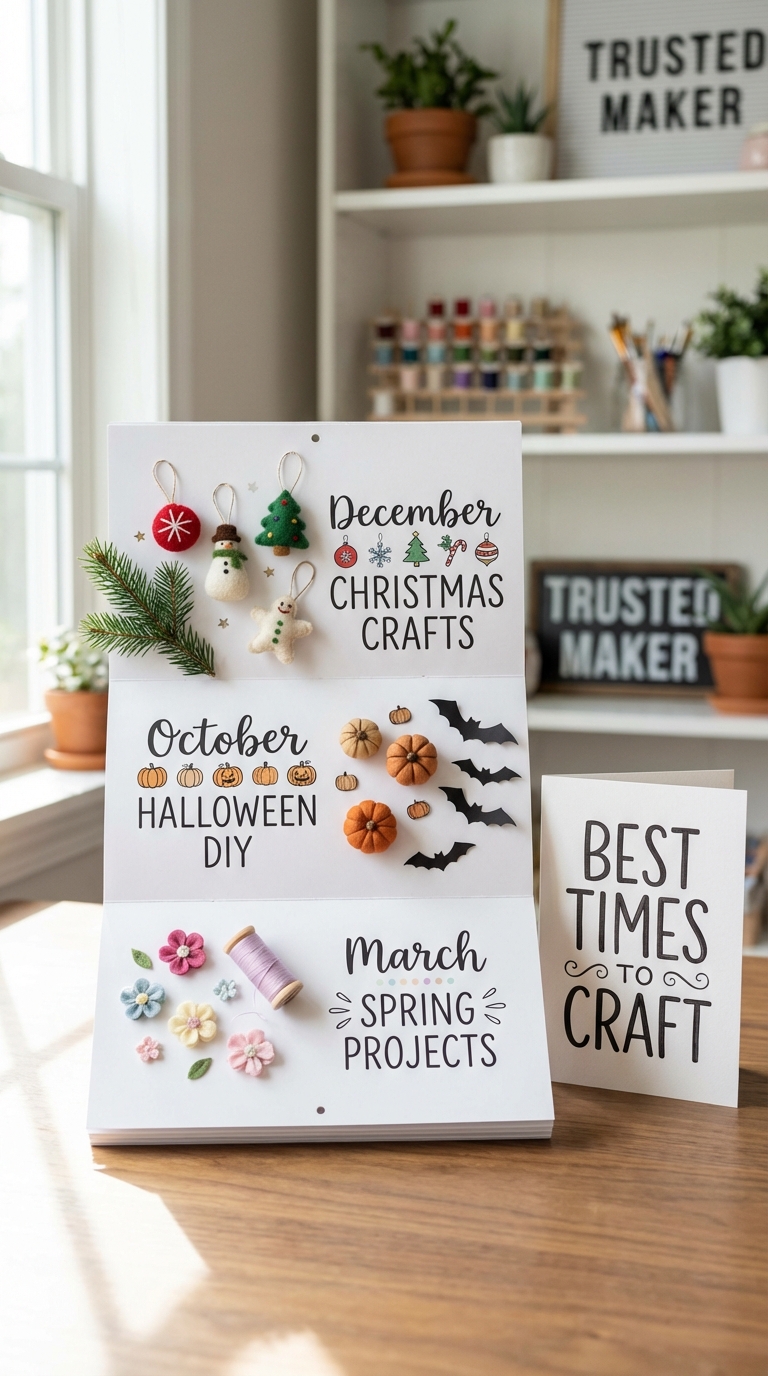
There is no wrong time to start, but certain periods offer better entry points. Weekends are obvious choices, but integrating micro-crafting into your week—like knitting for 15 minutes before bed—can be more sustainable.
Seasonal Crafting Opportunities
Seasons dictate the best diy crafts to do. Winter is perfect for knitting, candle making, and indoor paper crafts. Spring invites gardening DIYs like painting pots or building birdhouses. Summer is great for tie-dye and outdoor woodworking. Fall is synonymous with wreath making and natural decor using pinecones and leaves. Aligning your projects with the seasons keeps your hobby fresh and provides you with decor relevant to the time of year.
Frequently Asked Questions About diy crafts to do
As experts in the field, we receive many questions from beginners. Here are the most common queries regarding diy crafts to do answered for you.
Is diy crafts to do expensive to start?
Not necessarily. While you can spend thousands on advanced machinery, many diy crafts to do require only household items. Upcycling cardboard, using old magazines for collages, or sewing with old clothes costs virtually nothing. Start with what you have before buying new supplies.
How can I monetize my diy crafts to do?
Monetizing is a popular goal. Platforms like Etsy remain relevant in 2026, but social commerce (selling directly through TikTok or Instagram) is dominant. To succeed, focus on a niche (e.g., “eco-friendly pet toys”) rather than general crafts. High-quality photography and storytelling are your best sales tools.
What are the safest diy crafts to do with kids?
Safety is paramount. For young children, stick to non-toxic materials. Polymer clay (baked by an adult), bead threading, finger painting, and simple paper folding are excellent choices. Avoid hot glue guns and sharp craft knives; opt for glue sticks and safety scissors instead.
Future Outlook: The State of diy crafts to do in 2026
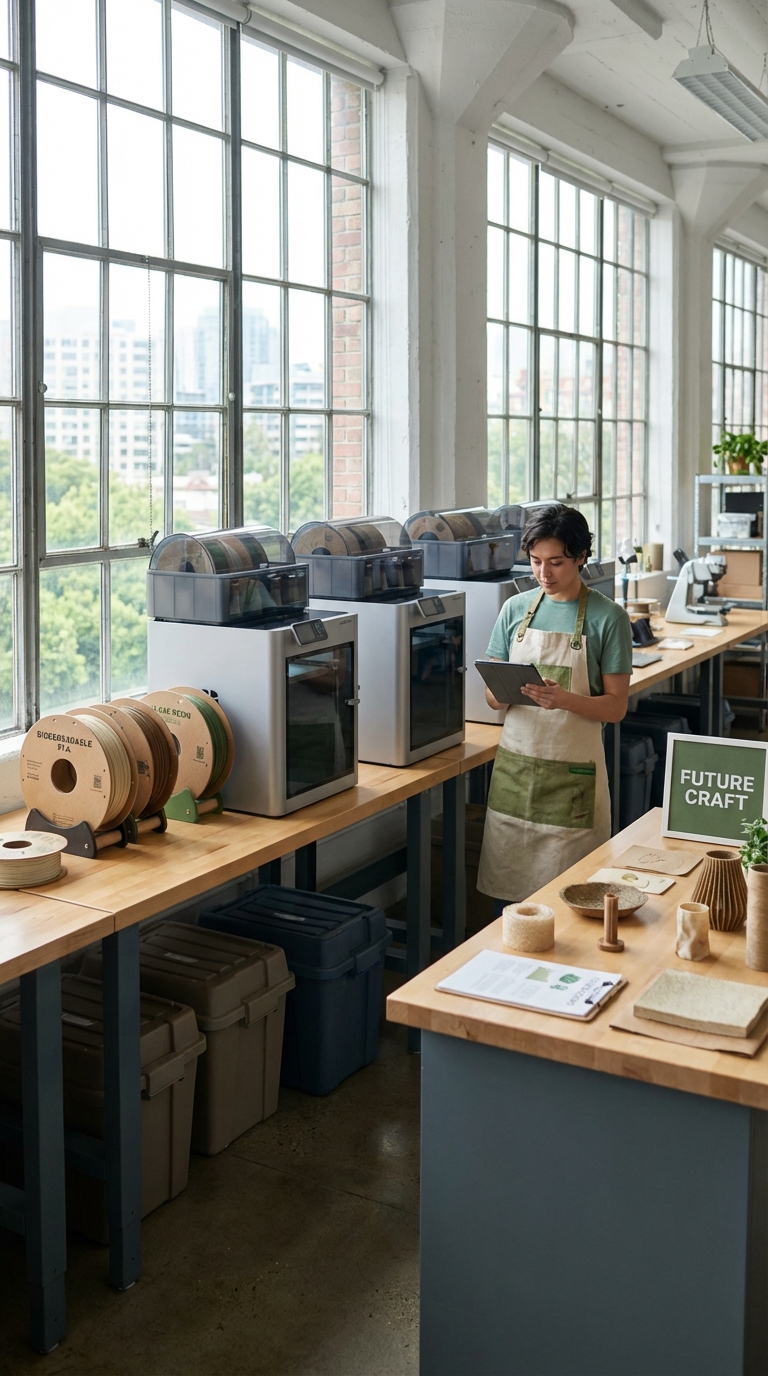
Looking ahead, the landscape of diy crafts to do is merging with digital reality. We are seeing a rise in “Phygital” crafts—where physical creations interact with digital apps (like scanning a handmade drawing to animate it). Sustainability will move from a trend to a requirement, with biodegradable glitters and plant-based glues becoming the standard.
By starting your journey now, you are joining a global community of makers who value creativity, sustainability, and mental wellness. Whether you are folding your first origami crane or refurbishing an entire dresser, the joy of saying “I made this” is incomparable. So, gather your materials, clear your table, and start exploring the wonderful world of DIY today.