15 Mindful Crafts to Relax, Reset, and Slow Down
Slowing down doesn’t require fancy supplies—just simple materials and intention. You can quiet your mind through hand lettering‘s repetitive strokes, watercolor’s flowing washes, or clay’s tactile pinching. Embroidery, mandalas, and rock painting offer rhythmic meditation, while beaded bracelets and handmade paper engage your senses. Even minimal line sketching syncs breath with movement. Each craft anchors you in the present moment, building calm through deliberate practice. The best part? You’ll uncover which techniques resonate most with your unique rhythm.
Love cozy DIY projects? 💕
Get free printable guides, exclusive tutorials & surprise craft goodies straight to your inbox.
Disclosure: This post may contain Amazon affiliate links, at no extra cost to you. Content on DiyCraftNest is created with research support from AI tools and carefully reviewed, edited, and fact-checked by the lead author, Daniel Pat, to ensure accuracy and reliability. Learn more
Key Takeaways
- Hand lettering and quick calm drawing build consistency and quiet the mind through repetitive, meditative strokes in 10–20 minute sessions.
- Watercolor wash painting and journaling create translucent, luminous artwork while establishing calming rituals that deepen mindfulness and gratitude practices.
- Slow stitching, knitting, and macramé use repetitive motions to lower heart rate, rewire the nervous system, and ground attention effectively.
- Clay pinch pots provide tactile journaling opportunities through intentional, rhythmic hand movements that produce finished pieces in 5–15 minutes.
- Candle making and beaded bracelet crafting combine scent symbolism and color intention with accessible 15–30 minute sessions yielding wearable results.
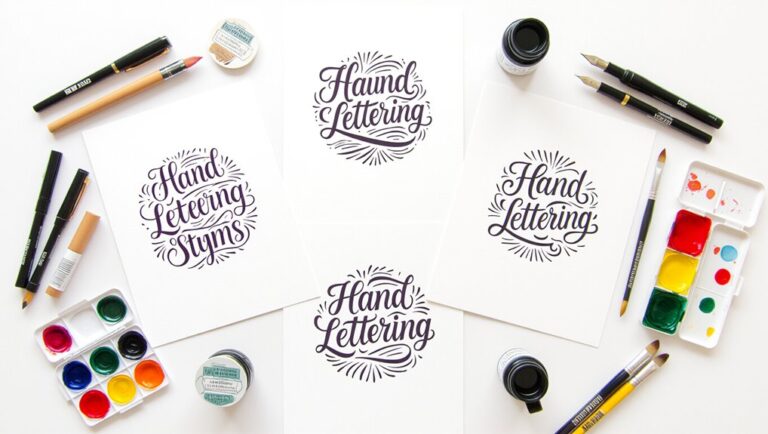
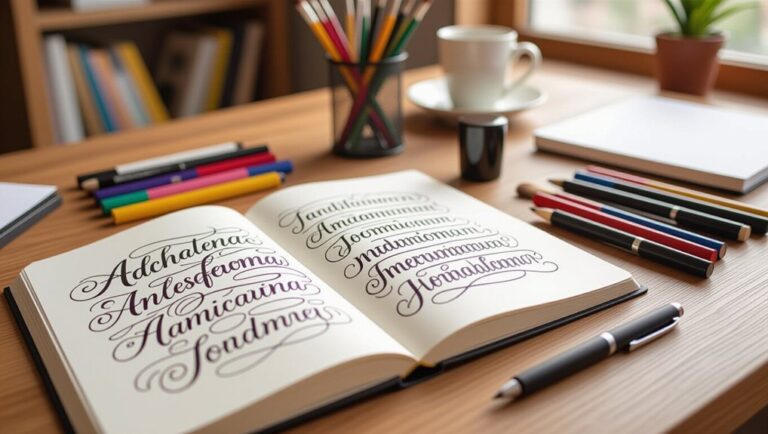
Hand Lettering Practice
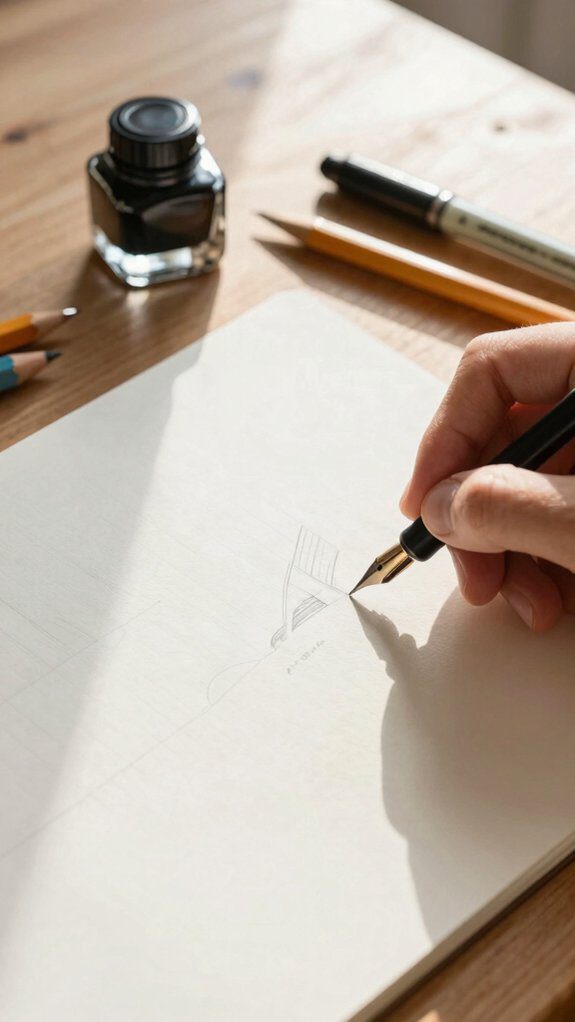
When you’re ready to start hand lettering, I’d recommend beginning with repetitive stroke focus—those foundational upstrokes and downstrokes that’ll become the building blocks for every letter you create.
You’ll spend just 10–20 minutes daily practicing thin hairline strokes, thick downstrokes, ovals, and entrance/exit strokes, which trains your hand to move with consistency and control within a few weeks.
This focused, rhythmic practice isn’t about rushing toward perfect letters; it’s about building muscle memory through deliberate, mindful repetition that naturally calms your mind as you work.
Repetitive stroke focus
Because your hands don’t naturally know how to create perfect letters, practicing repetitive strokes is like training for a sport—you’re building muscle memory through consistent, purposeful movements. I recommend dedicating just 10–15 minutes daily to stroke meditation, focusing on upstrokes and downstrokes with your brush pen. This pressure awareness transforms practice into mindfulness—you’re not rushing; you’re connecting with each mark.
| Stroke Type | Pressure | Purpose |
|---|---|---|
| Upstroke | Light | Builds control |
| Downstroke | Heavy | Creates contrast |
| Oval drills | Varied | Develops rhythm |
Within weeks, you’ll notice improvement and feel calmer.
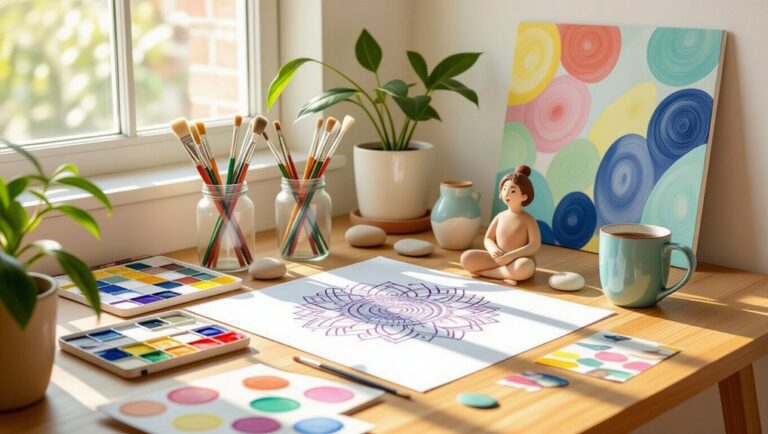
Watercolor Wash Painting
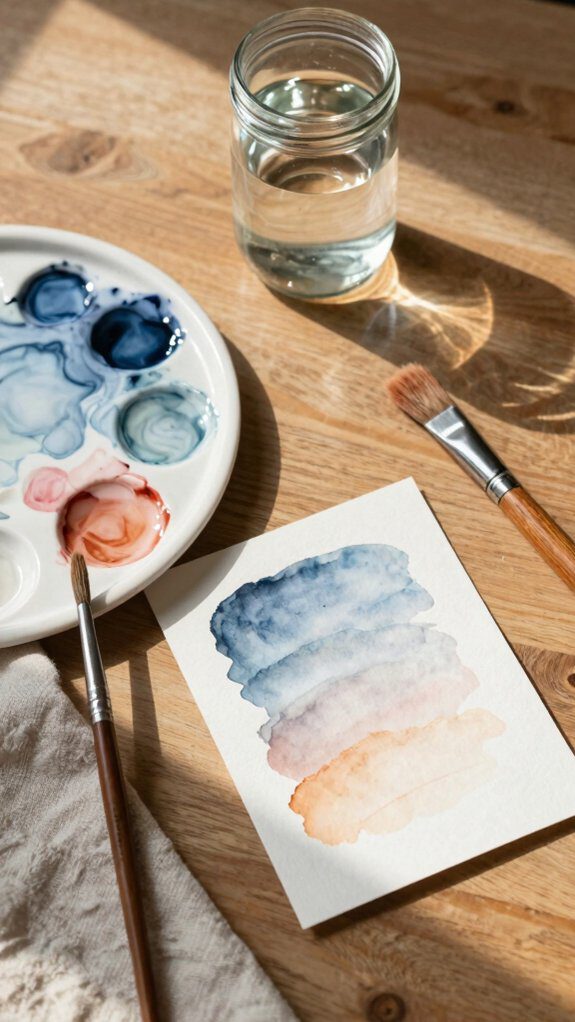
Imagine laying down a smooth, glowing layer of color that seems to glow from within—that’s the magic of a watercolor wash.
I’ve uncovered this technique transforms my mindfulness practice into pure flow. Here’s what I’ve learned:
- Paper sizing matters—cold-pressed 140 lb paper holds water beautifully, giving you time to work
- Color mixing ratios (1 part paint to 3–6 parts water) create those dreamy translucent effects
- Wet-on-wet techniques let gravity do the work while you stay present
Pre-wet your paper, apply pigment from the top, and let it dry completely before layering.
This meditative pace genuinely calms my mind.
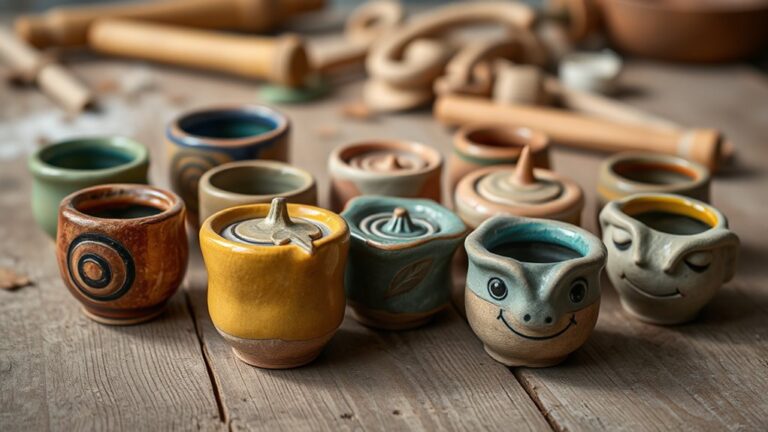
Simple Clay Pinch Pots
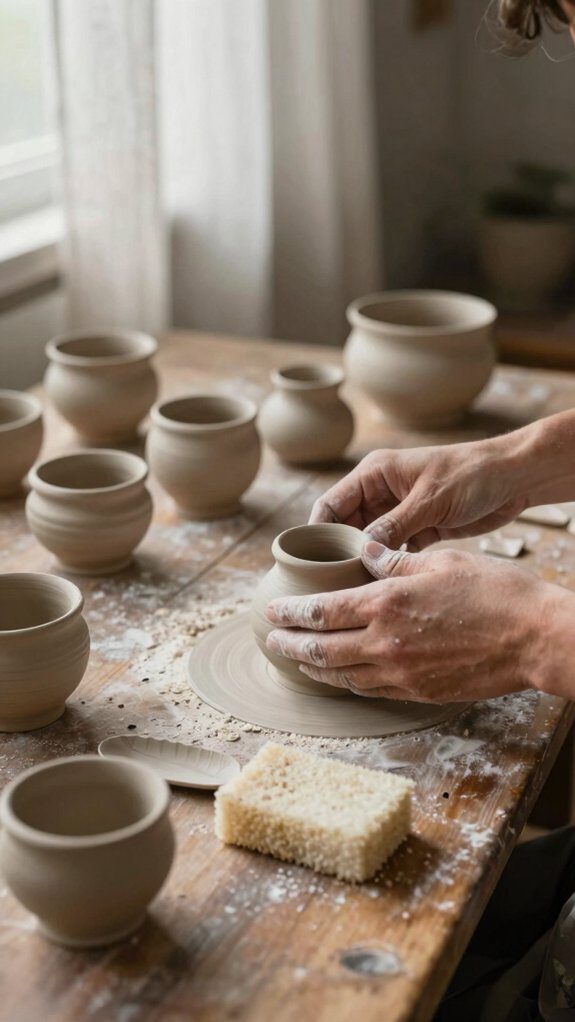
After the flowing, liquid meditation of watercolor painting, I’ve uncovered that clay offers something different—a grounded, tactile way to calm your mind.
When I roll a golf-ball–sized piece of air-dry clay and pinch it slowly into a bowl, I’m practicing clay breathing: intentional, rhythmic motions that anchor me to the present moment.
This tactile journaling—pressing my fingernails or simple tools into the surface—creates texture while reinforcing patience.
In just 5–15 minutes, I shape something real.
Keeping my hands slightly damp prevents cracking, and aiming for even 3–6 mm walls guarantees uniform drying.
It’s wonderfully simple, deeply satisfying, and genuinely mine.
Embroidery Hoop Art
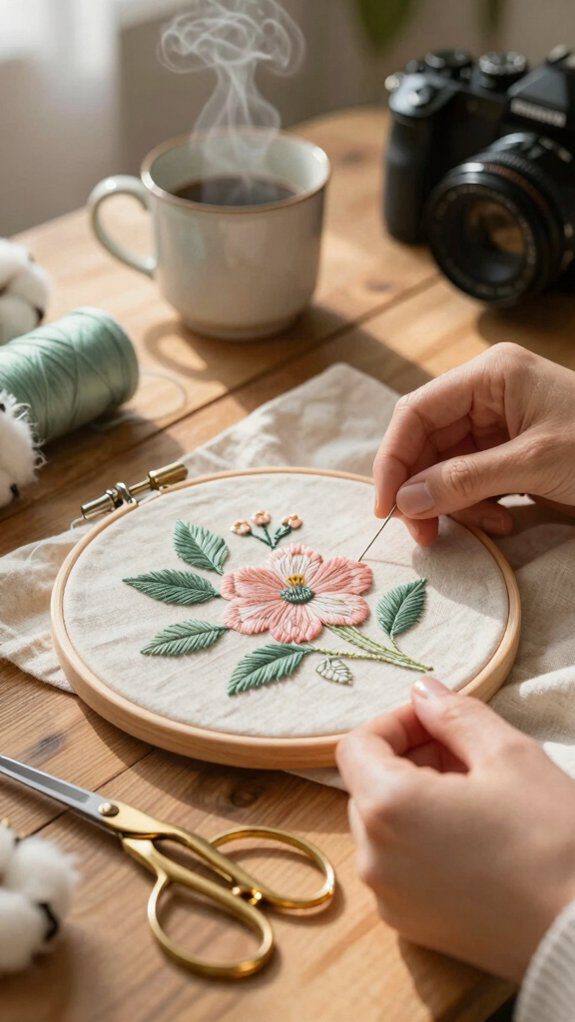
I’d encourage you to embrace slow stitching as your gateway to genuine relaxation—it’s where you deliberately pace yourself, taking maybe 15 to 20 minutes per session to focus on just one stitch or small section rather than rushing through an entire project.
This measured approach transforms embroidery from a task into a meditation, where the rhythmic motion of your needle and the gentle pull of thread become your anchor to the present moment. You’ll find that this unhurried pace actually deepens your mindfulness practice, letting your mind settle while you watch tangible progress bloom one careful stitch at a time.
Slow stitching technique
Slowing down with needle and thread might sound counterintuitive in our rush-filled world, but it’s actually one of the most potent ways to calm your mind and reset your nervous system.
I’ve unearthed that thread meditation transforms simple stitching into influential stress relief. Here’s what makes slow stitching work:
- Repetitive motion quiets racing thoughts through rhythmic, predictable movements
- Stitch journaling tracks your progress by counting rows rather than chasing perfection
- Deliberate imperfections release performance pressure and celebrate authenticity
Just 15–30 minutes daily with needle in hand rewires your nervous system.
Pair your practice with morning coffee or bedtime routine, add soft lighting, and breathe deeply.
You’ll find belonging in this gentle craft community.
Mandala Drawing
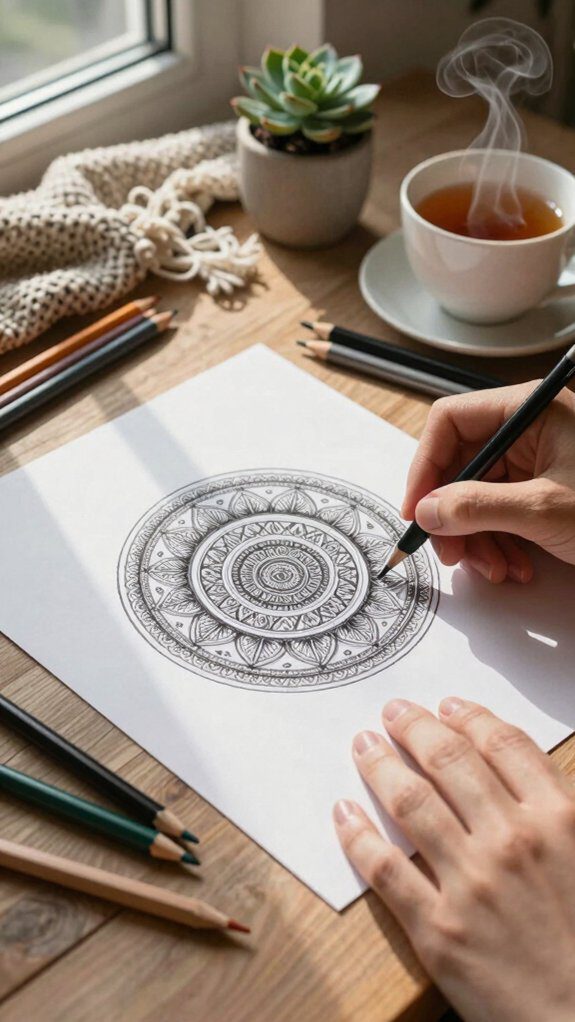
Because mandalas are built from a central point outward using repeated geometric shapes, they’re perfect for settling your mind into a calm, focused state.
I’ve found that dividing my paper into 8 or 12 segments keeps everything balanced and reduces decision-making stress.
The symmetry psychology behind these patterns actually helps my brain relax—there’s something deeply satisfying about creating order.
Using a compass and fine-tip pens, I sketch major motifs, then ink outlines before coloring.
Breaking it into stages gives me small wins.
Whether you’re drawn to their cultural symbolism or simply want 20 minutes of peaceful focus, mandalas invite you into a meditative rhythm that quiets everything else.
Pressed Flower Art
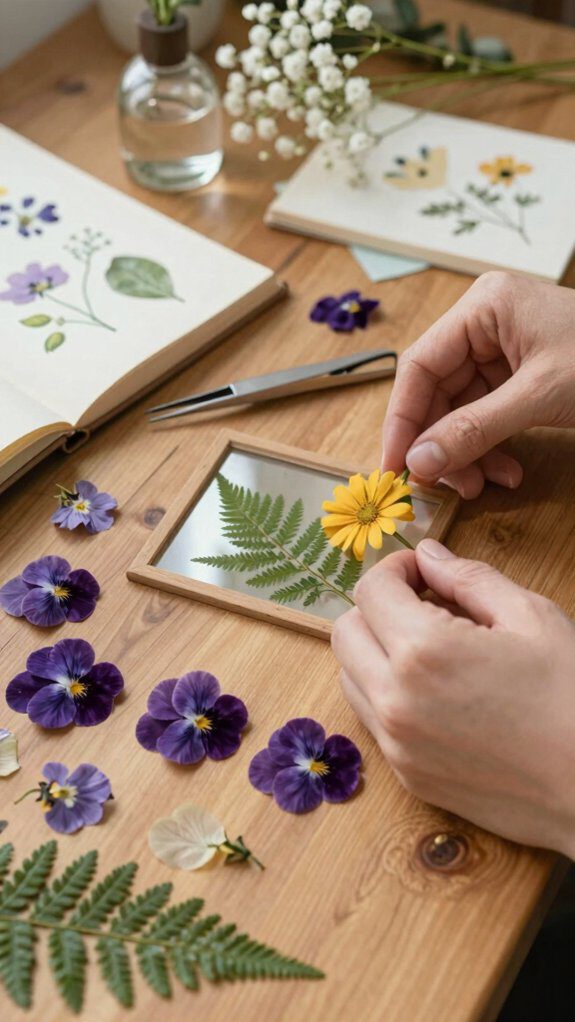
While mandalas invite you to draw inward through repetition and symmetry, pressed flower art offers a different kind of mindfulness—one that celebrates the beauty nature’s already created.
You’ll find this craft deeply grounding as you slow down and connect with seasonal blooms.
- Gather and press pansies, violets, or ferns between absorbent paper under weight for 1–4 weeks
- Identify and arrange your fully dried specimens on cardstock, using archival adhesive to secure them permanently
- Preserve your work with UV-filtering glass and acid-free materials so your art lasts for decades
This tactile practice transforms plant identification into meditative art you can treasure.
Knitting a Basic Scarf
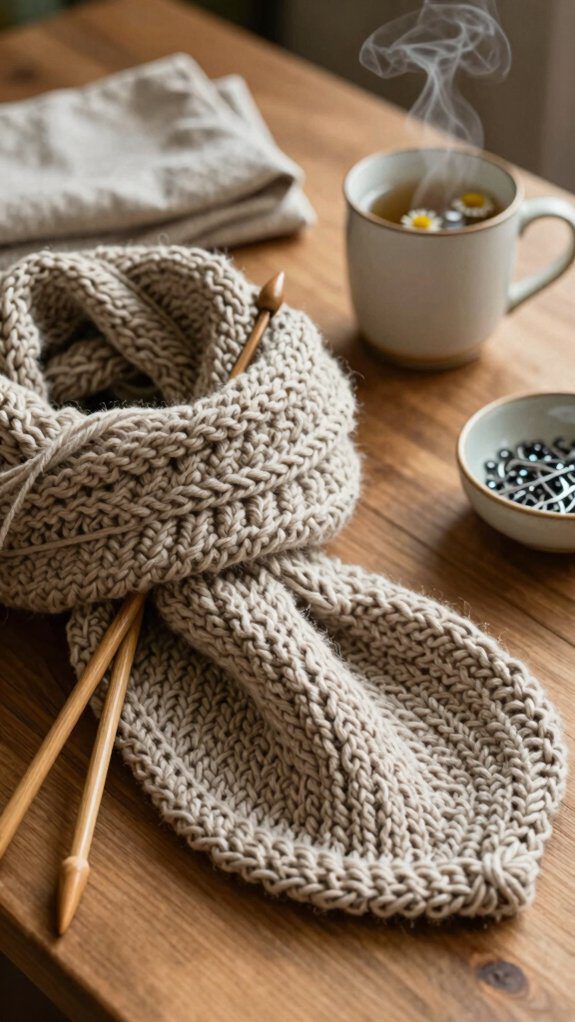
I’ve found that the real magic of knitting happens in those repetitive hand movements—the needles clicking back and forth, row after row, create an almost meditative rhythm that naturally calms your mind.
When you practice just 15–20 minutes daily, you’ll notice your heart rate actually slows down as your hands find their groove, and that steady motion becomes a kind of moving meditation.
It’s like your worries fade into the background while you focus on the simple, satisfying task of building something beautiful, one stitch at a time.
Rhythmic hand movement
There’s something almost meditative about the steady click-click-click of needles and the gentle back-and-forth motion of your hands as you knit, and that’s exactly what makes a basic scarf the perfect relaxation project.
Your hand cadence naturally settles into a calming rhythm:
- Beginners typically work at 30–60 stitches per minute, creating predictable, soothing meditative motion
- This repetitive tempo lowers your heart rate and sharpens focus without demanding mental effort
- The consistent rhythm builds muscle memory, letting your mind drift peacefully while your hands work
This accessible hand cadence makes knitting feel effortless, transforming simple stitches into pure therapeutic flow.
Gratitude Journal Decorating
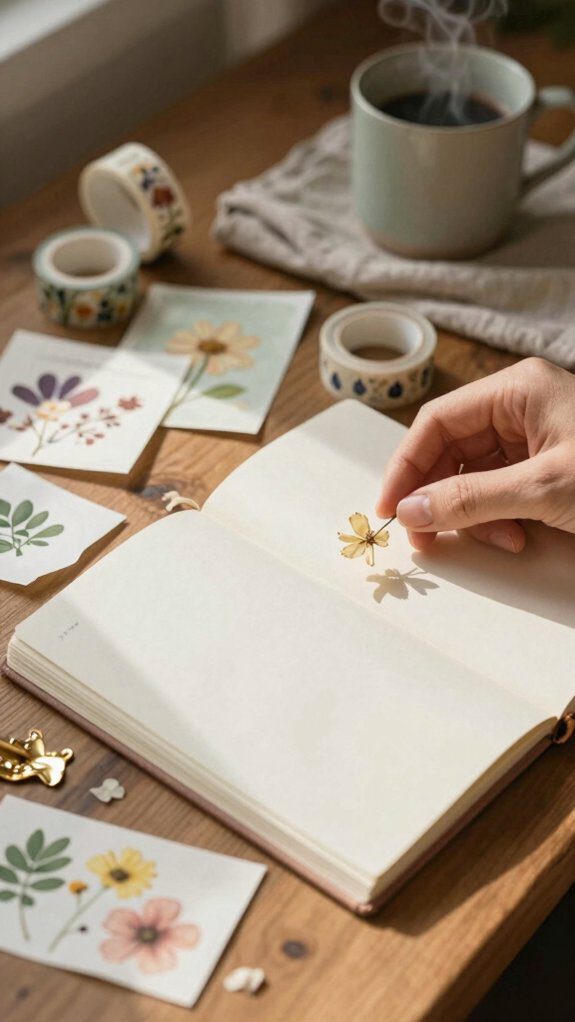
Transform a simple notebook into a personal sanctuary of appreciation by combining decorating with gratitude practice. I’ve found that texture journaling—adding washi tape, stitched borders, or fabric swatches—anchors my attention while keeping overwhelm at bay with just three to five embellishments per page.
Using prompt rotation, I cycle through prompts like “Today I’m thankful for…” or “A small win…” to spark reflection without repetition. Dating each page and color-coding entries (warm tones for people, cool tones for achievements) reveals gratitude patterns over time.
This tactile blend of decoration and structured prompts transforms journaling into a calming ritual that deepens appreciation.
Candle Making at Home
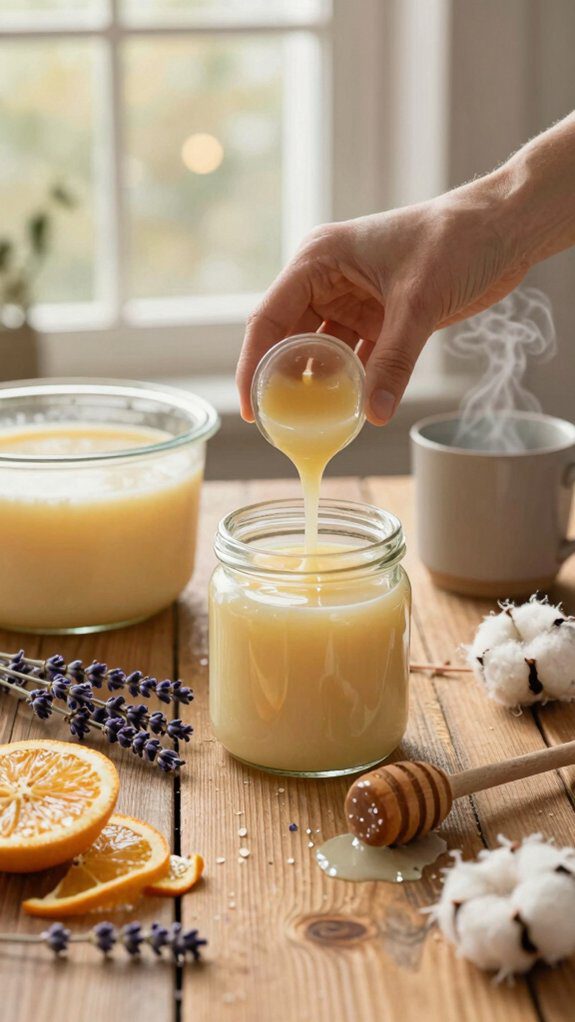
Once you’ve decorated your gratitude journal and established a mindfulness routine, you’re ready to expand your crafting toolkit with something that involves all your senses—candle making. I’ll guide you through this rewarding practice that joins our creative community.
Start by selecting your wax:
- Soy and coconut wax burn cleanly; paraffin’s budget-friendly; beeswax lasts longest
- Pour at 120–140°F for perfect finishes and scent adhesion
- Master scent layering and wick troubleshooting through simple experimentation
You’ll need containers, thermometers, and fragrance oils. Begin with 6% fragrance load, trim wicks to ¼”, and cure candles 24–48 hours. Keep detailed notes—soon you’ll craft candles reflecting your unique style.
Macrame Wall Hanging
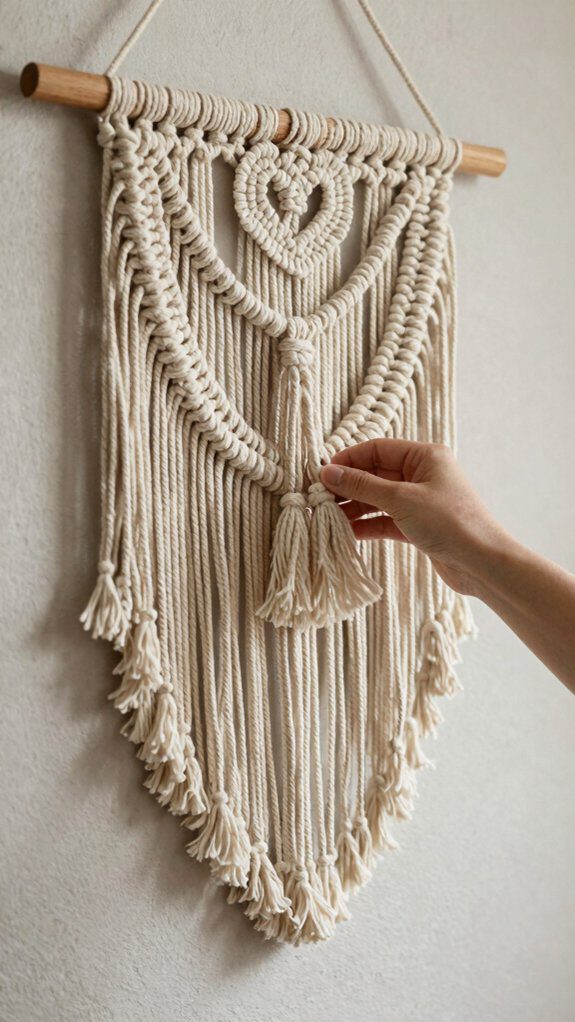
I’ve found that macramé’s magic lies in its repetitive knot-tying motions—spending just 15 to 30 minutes working through square knots, half hitches, and lark’s head attachments creates a calming rhythm that quiets my mind much like meditation does.
Each knot you tie becomes a gentle anchor to the present moment, pulling your focus away from daily stress and into the satisfying, tactile work happening right in your hands. It’s this “knot repetition therapy” that transforms a creative project into genuine mental reset, making macramé one of the most accessible mindfulness practices you can start today.
Knot repetition therapy
Tying knot after knot in macramé pulls you into a calm, meditative rhythm that’s surprisingly potent for resetting your mind.
I’ve found that this repetitive practice works like therapy for stress:
- Breathcount knotting syncs your breathing with each knot, grounding you in the present moment and lowering your heart rate naturally.
- Tension awareness teaches you to notice how tightly you’re holding the cord, helping you recognize and release physical tension throughout your body.
- Visible progress accumulates daily, giving you tangible proof that you’re creating something meaningful while healing yourself.
Nature Collage Art
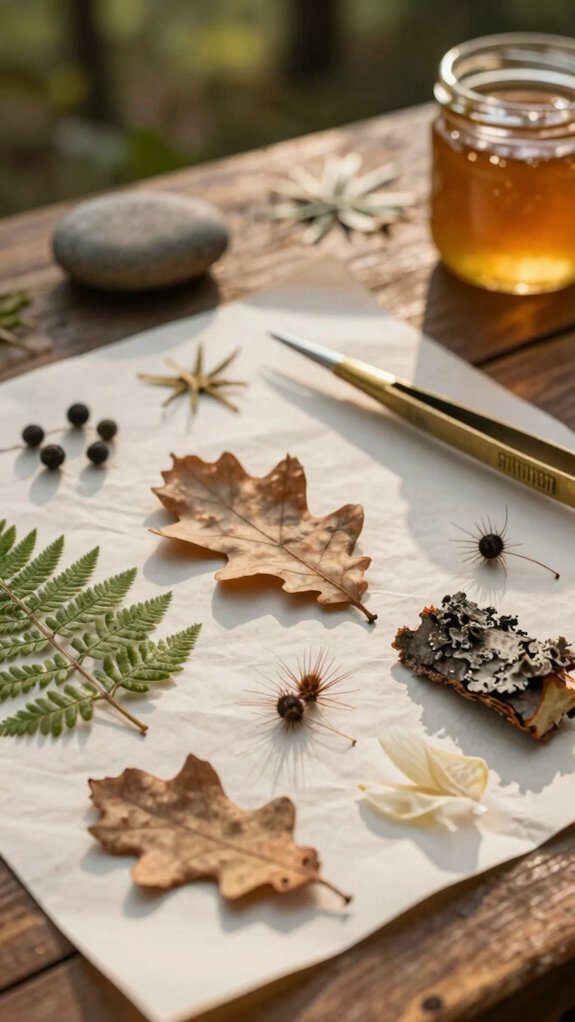
When you bring together fallen leaves, delicate petals, weathered twigs, and smooth seeds on a sheet of paper or canvas, you’re creating something that’s equal parts art project and meditation.
I’ve found that mindfully collecting materials—only taking what’s already fallen—honors both the environment and seasonal symbolism. Arranging these textures teaches patience while building visual narratives.
I use archival glue and press pieces under weights for 24–48 hours, keeping everything flat. An 8×10 inch canvas works perfectly for a focused 30–60 minute session.
Mixing natural elements with recycled paper creates contrast that feels deeply satisfying. This practice grounds me in the present moment.
Handmade Paper Craft
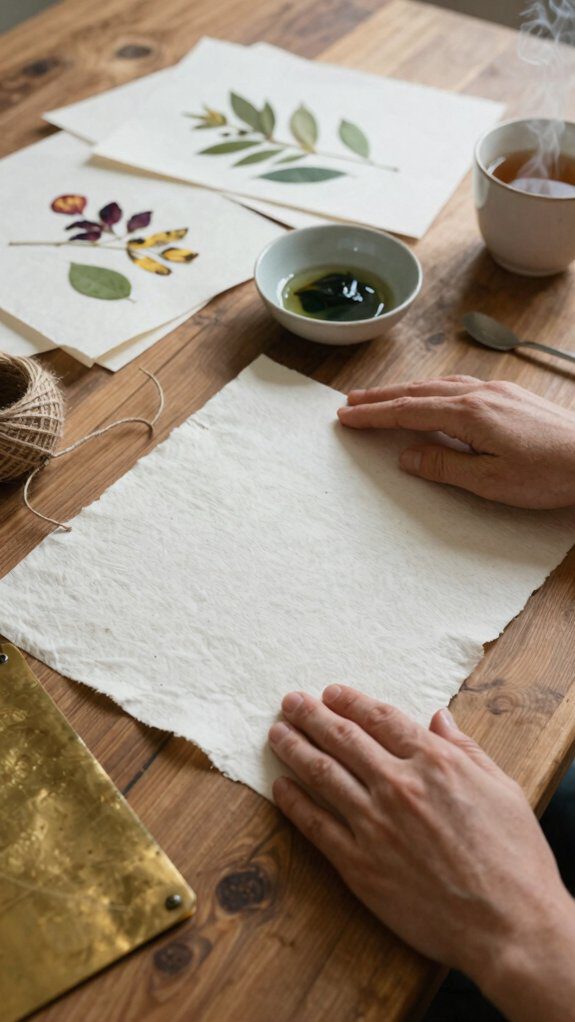
Making your own paper transforms recycled fibers into something uniquely yours—and it’s one of the most meditative crafts you can do with your hands. I love how this process calms my mind through repetitive, intentional movements.
- Blend and pour: I tear recycled fibers, blend them into slurry, then pour onto my mould-and-deckle frame—this beaten texture becomes deeply satisfying to create.
- Embed and customize: I press seeds or dried flowers into wet sheets, making fiber casting truly personal.
- Press and dry: Heavy books flatten my creations, completing the 30–90 minute process.
Each sheet feels like a small victory.
Rock Painting Meditation
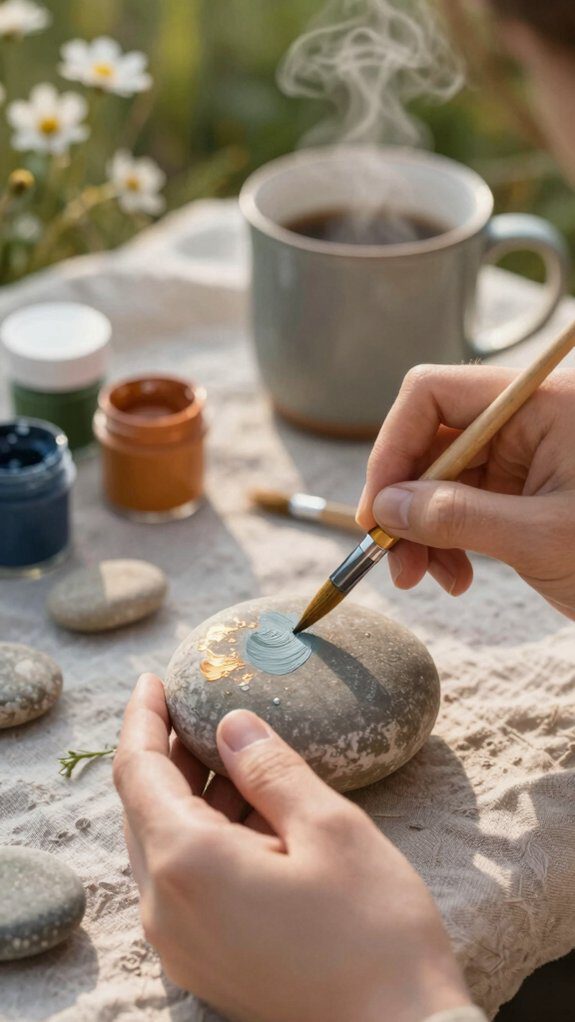
If you’re looking to combine creativity with calm, I’d love to invite you outside for a rock painting session that’ll transform your backyard into a peaceful creative sanctuary.
You’ll grab a smooth stone, settle into a comfortable spot with good light, and let the repetitive motion of painting tiny dots and mandala patterns melt away whatever’s weighing on your mind.
There’s something special about taking your mindfulness practice outdoors—you’re breathing fresh air, feeling the stone’s cool surface in your hands, and creating something beautiful all at once.
Outdoor creative moment
Through the simple act of painting stones, you’ll uncover one of nature’s most accessible forms of moving meditation. I’ve found that displaying finished rocks transforms your space into a personal sanctuary.
Here’s how to create your outdoor creative moment:
- Paint smooth river rocks with acrylic and fine-tipped brushes, sealing them with clear spray
- Set a 15–20 minute timer, using rhythmic dotting patterns as your meditative anchor
- Place completed stones along garden pathways or near a sunlit picnic spot for ongoing calm reminders
Your painted stones become tangible evidence of mindfulness practice, grounding you during trailside journaling or quiet reflection.
Beaded Bracelet Making
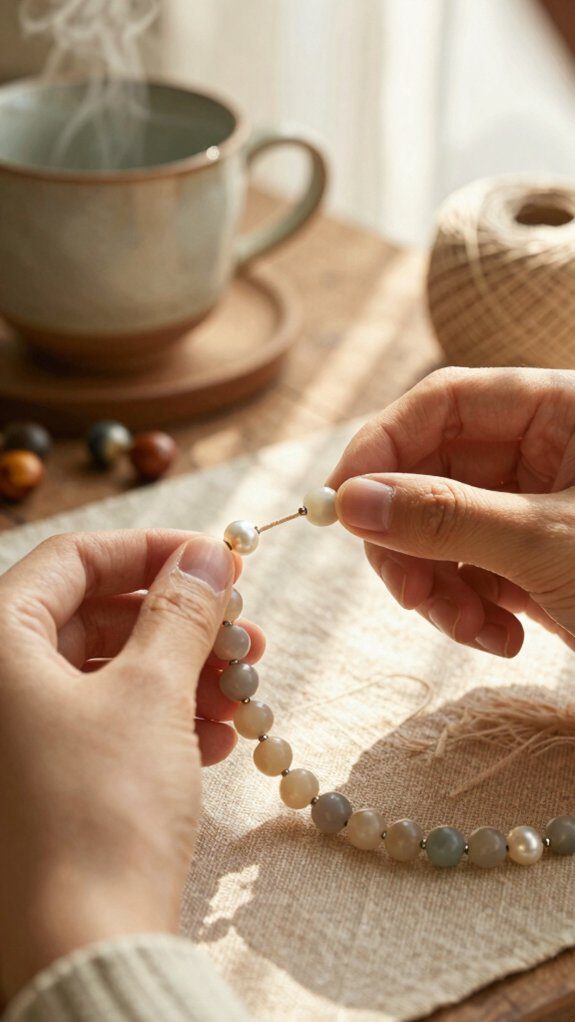
String together your own wearable calm with beaded bracelet making—one of the simplest yet most satisfying mindful crafts you can try. You’ll need just elastic cord, beads, and scissors to begin.
What I love most is how choosing bead colors lets you investigate color symbolism, selecting hues that match your mood or intention. The sensory textures—smooth glass, sparkly gemstones, or tiny seed beads—keep your hands occupied while your mind quiets down.
In just 15–20 minutes, you’re creating something meaningful. That finished bracelet? It’s proof you did something good for yourself, and it’s ready to share or gift.
Minimal Line Art Sketching
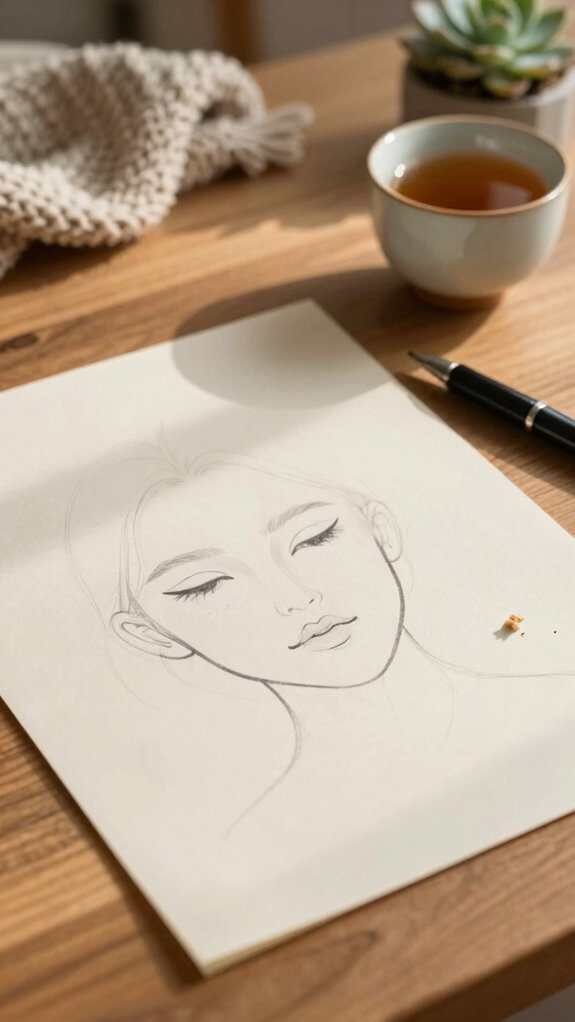
When you’re ready to slow down and reconnect with the present moment, minimal line art sketching offers a surprisingly potent calm focus exercise that requires almost nothing to get started.
I’ve found that spending just 5–15 minutes with a fine-tip pen and small sketchbook helps quiet my busy mind because there’s no pressure to create something perfect—you’re simply capturing what you see with simple, flowing lines.
The beauty is that this practice trains your brain to notice details, settle your nervous system, and build a daily ritual that becomes as comforting as your favorite cup of tea.
Calm focus exercise
Sketching with nothing but a single pen and simple lines might sound too basic to actually calm your mind, but here’s what makes it work—you’re removing all the noise.
When you settle into a comfortable seated posture and focus on one object, your brain quiets down naturally.
Here’s your calm focus exercise:
- Start with 10–15 minute sessions, drawing one everyday item using continuous-line techniques
- Sync your slow, deliberate strokes with soft, even breathing—breath visualization anchors you completely
- Date each sketch to track visible progress over weeks, reinforcing patience
That’s it. One pen, one object, one breath at a time.