15 Easy Foam Clay Ideas for Beginners
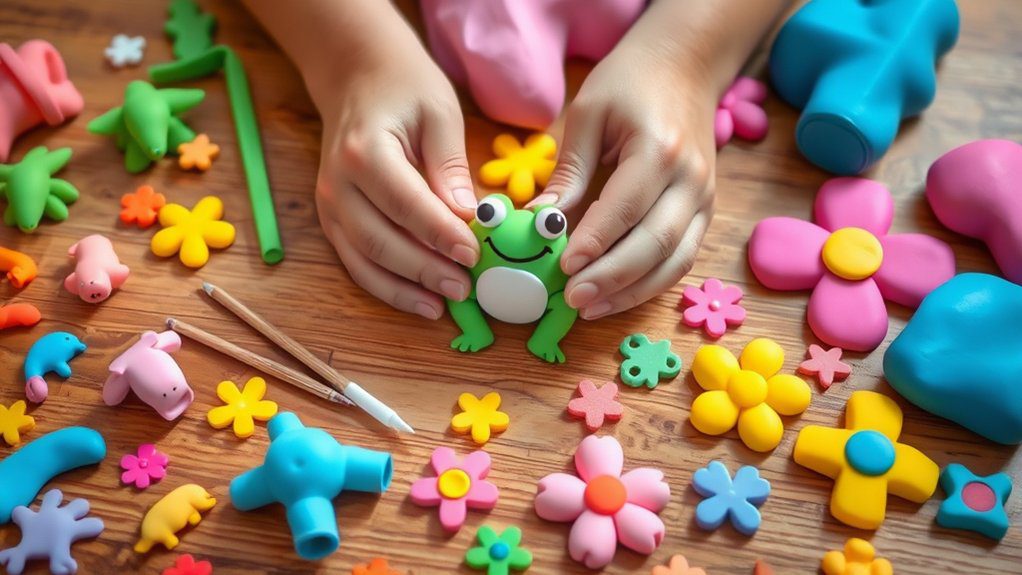
I’m going to share 15 easy foam clay ideas that dry in about 24 hours and feel lighter and bendier than heavier air-dry clay. With just a mini rolling pin and a few sculpting tools, you can make flower coasters, tiny house ornaments, beaded-edge ring dishes, a sink-side ring holder, salt spoons, photo stands, magnet bud vases, and more. Blend seams while it’s soft with a dab of water to avoid cracks—next up, I’ll show you the quickest steps.
Love cozy DIY projects? 💕
Get free printable guides, exclusive tutorials & surprise craft goodies straight to your inbox.
Disclosure: This post may contain Amazon affiliate links, at no extra cost to you. Content on DiyCraftNest is created with research support from AI tools and carefully reviewed, edited, and fact-checked by the lead author, Daniel Pat, to ensure accuracy and reliability. Learn more
Key Takeaways
- Foam clay is lightweight, bendy, and beginner-friendly, drying in about 24 hours with no oven or special equipment needed.
- Start with a small sculpting tool set and mini rolling pin, plus simple molds for quick, repeatable shapes.
- Build easy basics like coasters, trinket bowls, ring holders, and photo holders by rolling balls, pressing thumb dips, and pinching edges smooth.
- Prevent cracks by blending seams while soft, using a dab of water or clay slip, and drying slowly under a damp cloth or wrap.
- Personalize beginner projects with tinting, stamping, bold paint, magnets, and simple add-ons like beaded edges or tiny house ornament details.
Foam Clay vs Air-Dry Clay: Which Wins?
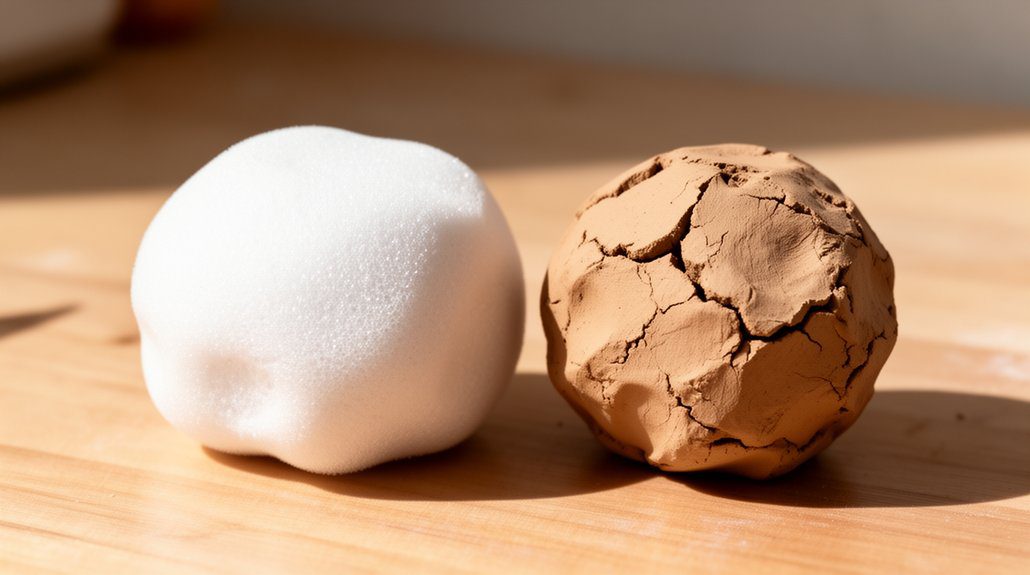
So, which one wins—foam clay or air-dry clay? I think it depends on what you want to make, and I’m here with you either way. Foam clay advantages show up fast: it’s light, bends a bit, and feels easy to shape, so costumes, soft props, and cute creatures come together with less stress. It also dries quicker and stays forgiving while you work. But notice the air dry clay limitations: it’s heavier, needs more time, and can crack if you rush or handle it roughly. For sturdy decor and gifts, air-dry shines.
Foam Clay Starter Kit (Tools + Dry Times)
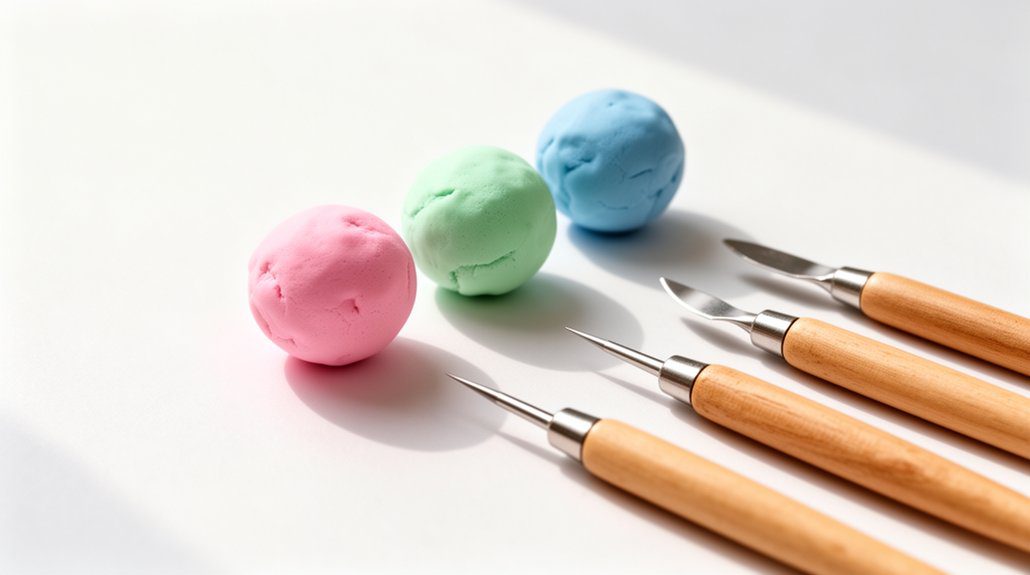
If foam clay sounds like your kind of fun—lightweight, a little bendy, and friendly for beginners—then the next step is setting yourself up with a simple starter kit and a realistic drying plan. I keep my Foam Clay tools basic: a small sculpting tool set, a mini rolling pin for flat pieces, and a few simple molds for quick shapes. You don’t need ovens or elaborate gear, so everyone can jump in. For Foam Clay drying, I plan on about 24 hours of air-dry time, longer for thicker parts. I work in small sections and cover extras.
How to Smooth Seams and Avoid Cracks
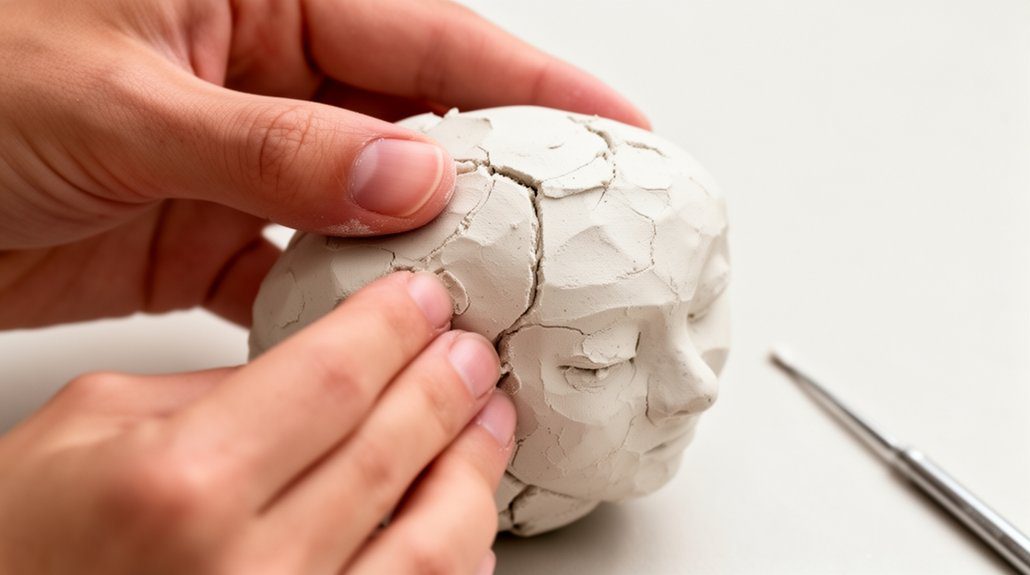
A smooth seam can take a foam clay project from “cute” to “wow, that looks real,” and the good news is it’s mostly about timing and gentle handling. I use seam blending techniques while the clay’s still a bit soft: dab water or a same-clay slip, then rub edges together gently. When joining pieces, press evenly so you don’t create weak spots. For crack prevention tips, I condition the clay well, stop before it feels dry, and pop any air bubbles. Then I let it dry slowly under damp cloth or wrap.
- You’ll feel proud
- Your seams look “one piece”
- Cracks won’t steal your joy
- You’ll fit right in
Flower Coasters in 5 Simple Steps
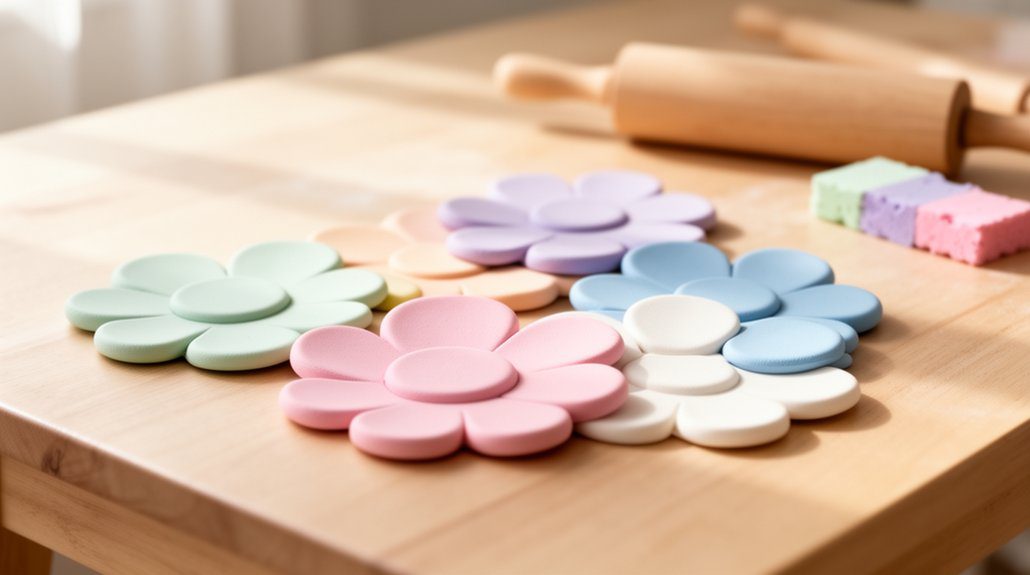
Five little steps are all it takes to turn foam clay into flower coasters that look cheerful on your desk and actually hold up under a cold drink. First, I roll small balls into flat discs, keeping them the same thickness so our set feels steady and “made together.” Second, I press a flower cookie cutter, or shape petals by hand. Third, I add tiny leaves or simple textures for extra charm. Fourth, I let everything air dry 24–48 hours until firm. Fifth, I paint or sprinkle glitter, then seal with clear varnish so your Flower coasters last.
Giftable House Ornaments (Easy Templates)
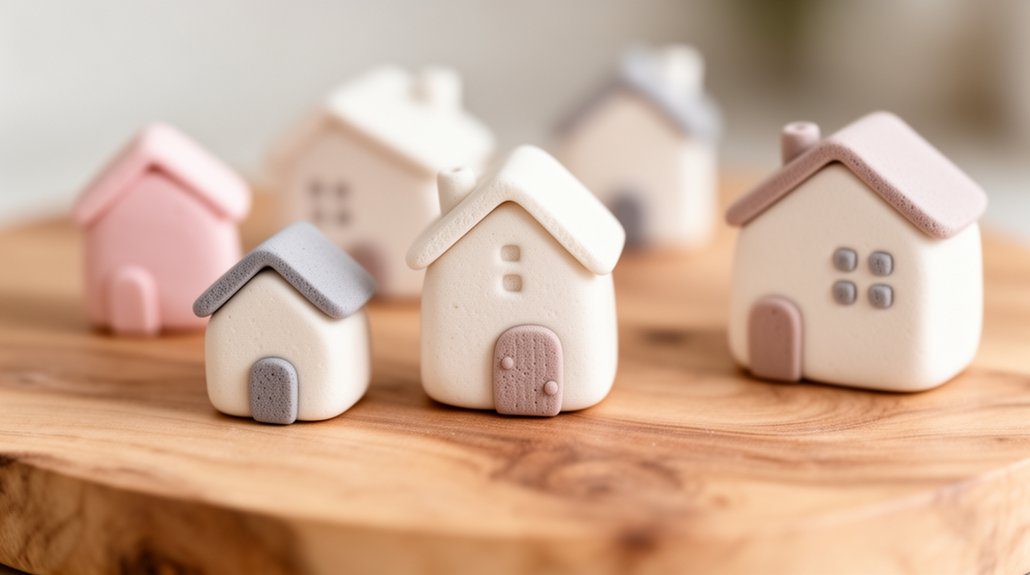
One of my favorite beginner projects is a tiny foam-clay house ornament, because it turns into a gift that feels personal instead of “store-bought.” With an easy template, I can trace a simple house shape (square + triangle roof), cut it out cleanly, and then play with size, color, and details to match the person I’m making it for—like a red door for their real front door or little “snow” dots for a winter vibe.
- Add names or dates for sentimental value
- Copy a first home or vacation cottage
- Match favorite colors for personalized designs
- Seal it, then share it with your people
Tiny Magnet Bud Vases for Your Fridge
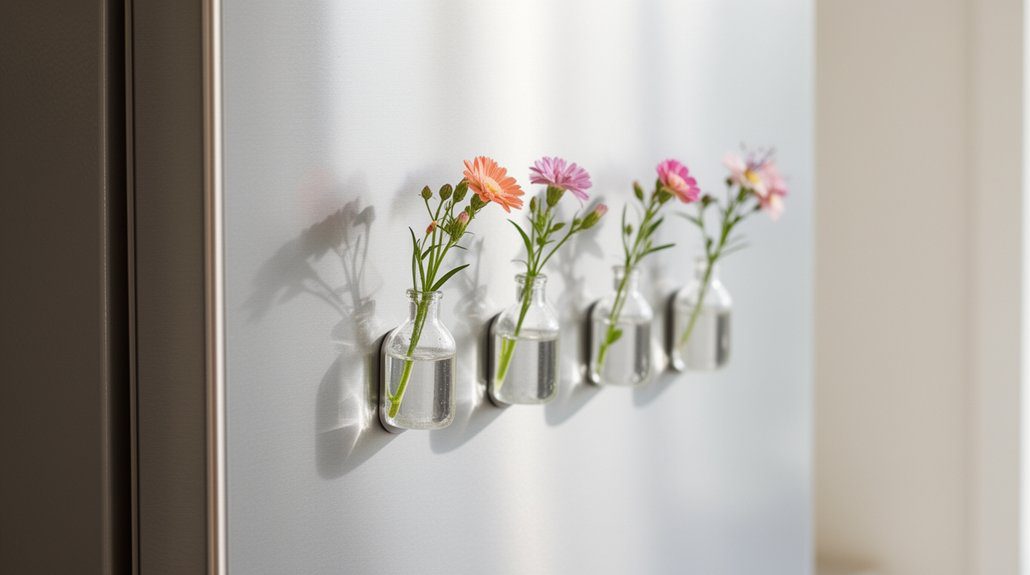
After I’ve made a few house ornaments for gifting, I love switching to a project I can actually use every day: tiny magnet bud vases for the fridge. You only need foam clay, a small magnet, and simple tools like a toothpick or craft knife, so everyone can join in.
First, shape a mini vase, then press the magnet into the back and smooth clay over it to lock it in. Pick custom color options to match your kitchen, and try creative shape ideas—teardrops, tiny tubes, or little hearts. Add a small flower sprig, and it instantly feels homey.
Minimal Photo Holders for Desk Pics
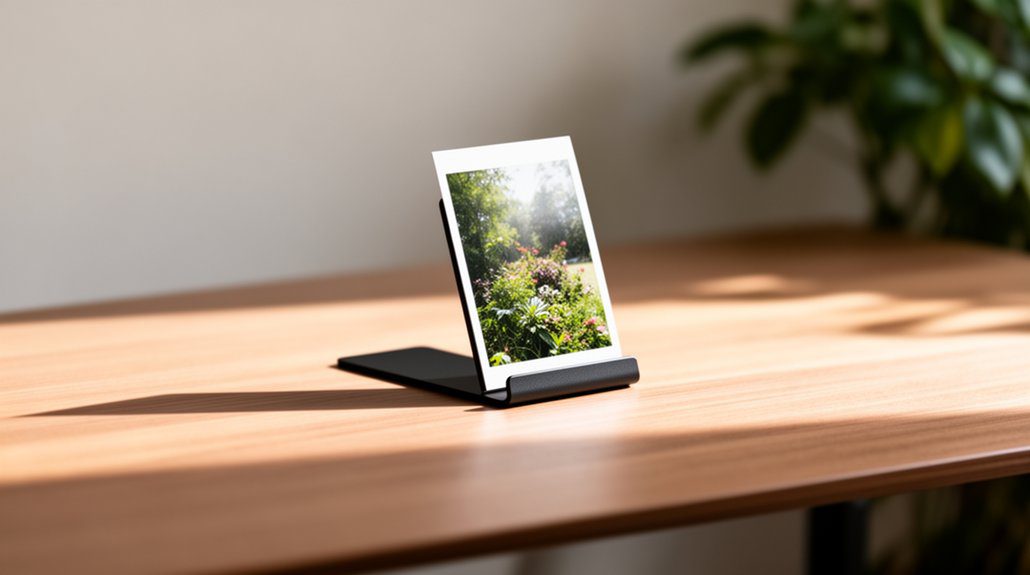
Desk joy—that’s what these minimal foam clay photo holders bring, and I can’t get over how easy they are to make. I roll a small base, pinch a slit on top, and press it flat so it stands steady. Then I play with custom shapes and color combinations to match your vibe—sleek neutrals for a calm desk, or bright swirls for a fun corner. Foam clay stays lightweight, so it won’t tip easily.
- Your favorite memory feels close
- Your desk looks like “you”
- You can make one with friends
- You’ll love gifting it too
Wavy Painted Trinket Bowl (No Kiln)
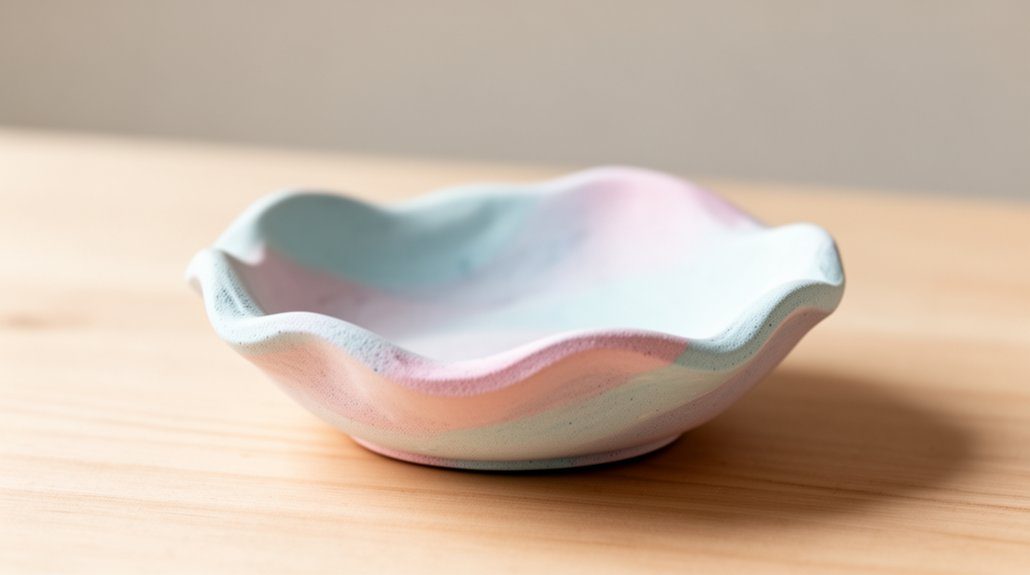
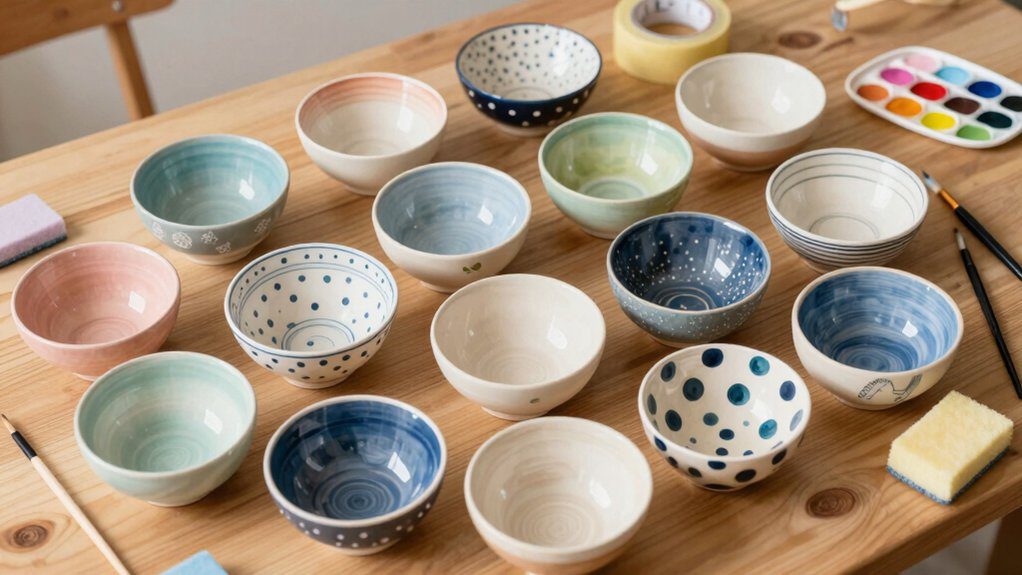
If you love colorful little catch-alls, this wavy painted trinket bowl is such a satisfying foam clay project because you can shape it freely and finish it with bold paint—no kiln needed. I roll a ball, press a thumb dip, then pinch the rim into a soft wavy design. Keep the walls even so it dries sturdy. Once it’s dry, I paint colorful patterns: stripes, dots, or tiny checks, and I dry-brush the edges for texture. You can drop in rings, coins, or keys. Match your room, or gift it—handmade always feels welcoming.
Earring Holder That Fits Studs and Hoops
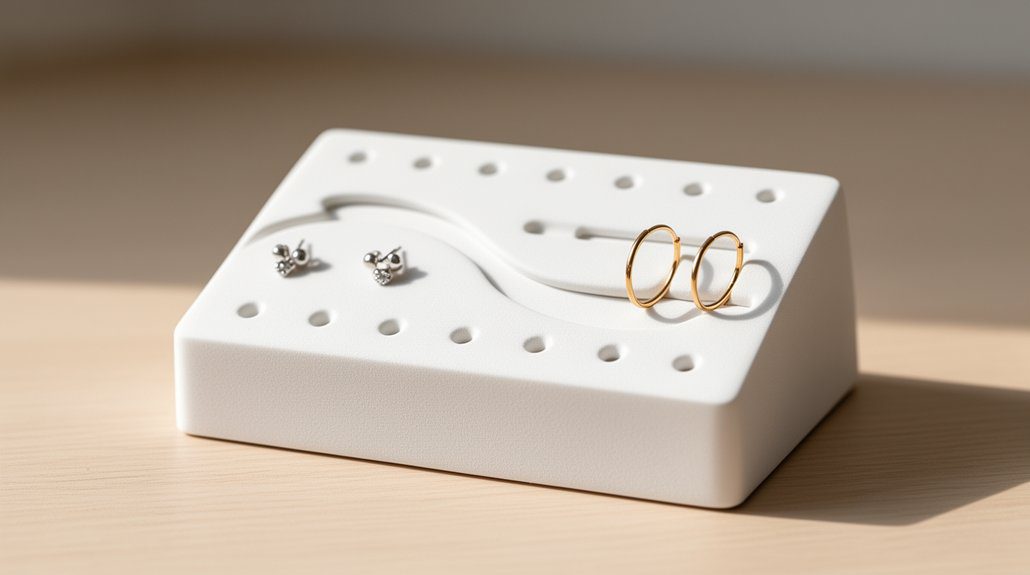
A tiny “jewelry parking spot” can make mornings so much easier, and I love making one earring holder from foam clay that works for both studs and hoops. I shape a small arch or cactus, then poke neat holes for studs and add a couple ridges to hang hoops. It’s quick—usually under an hour—and the lightweight clay sits on a dresser or hangs without wobbling. Foam clay shines for earring organization and customizable designs, so it can match your room and your vibe.
- You’ll feel instantly calmer
- Your favorites stay together
- Your space looks more “you”
- You’re part of the crafty club
Cute Drink Stirrers for Parties
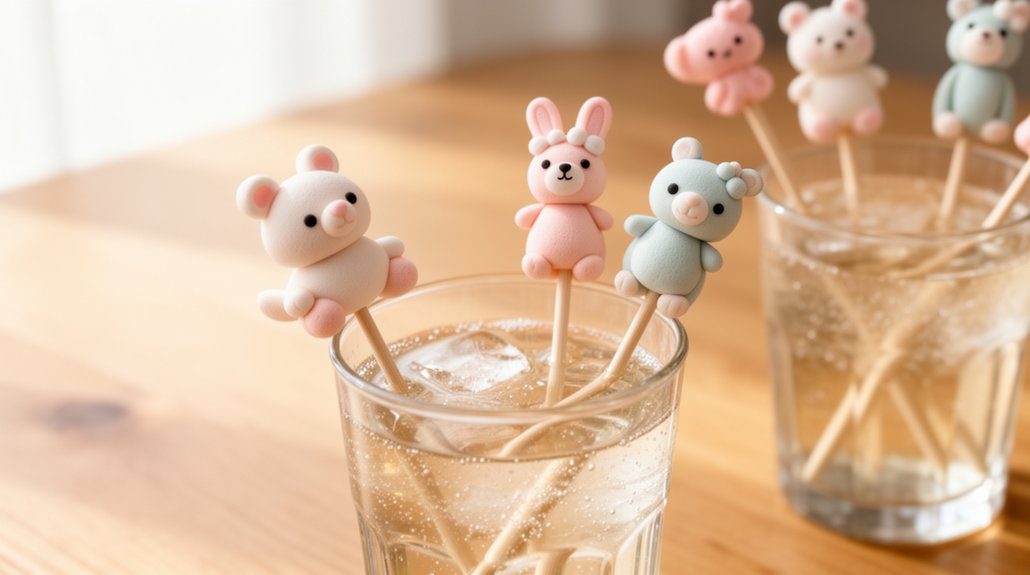
Because parties move fast and hands get a little sticky, I like making cute drink stirrers from foam clay that instantly tell whose cup is whose while adding a pop of theme-matching color. I roll tiny shapes—stars, fruit slices, or mini hearts—then press them onto plain stir sticks. With custom colors, everyone can pick a “their” marker and feel included right away. Foam clay stays lightweight, so it won’t tip a drink. After it dries, I paint details or add simple gems. Make extras, and they double as sweet party favors for your party themes.
Chunky Bookends You Can Customize
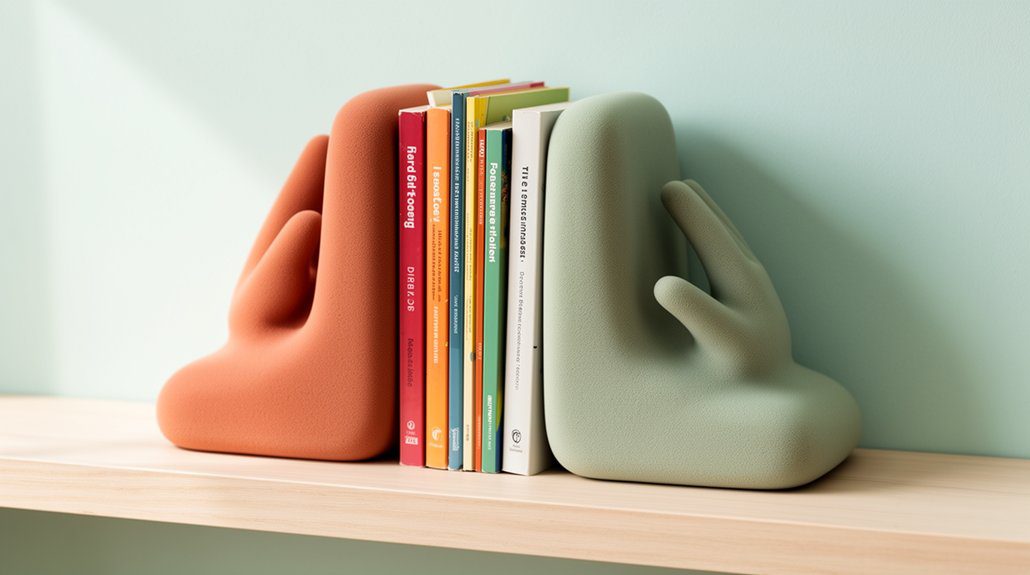
Party stirrers are fun for quick wins, but when I want a foam clay project that feels bold and “wow” on display, I make chunky bookends. You can shape them big or small to fit your shelf, then pick color combinations that feel like you. I start with simple blocks, then add animals or geometric patterns for easy design inspirations. Practice layering and texturing by pressing lines, dots, or scales before it dries.
- Your books stand tall, like your confidence
- Your space feels yours, not copied
- Your gift says “I know you”
- Your hands learn fast, together
Beaded-Edge Dishes for Coins and Rings
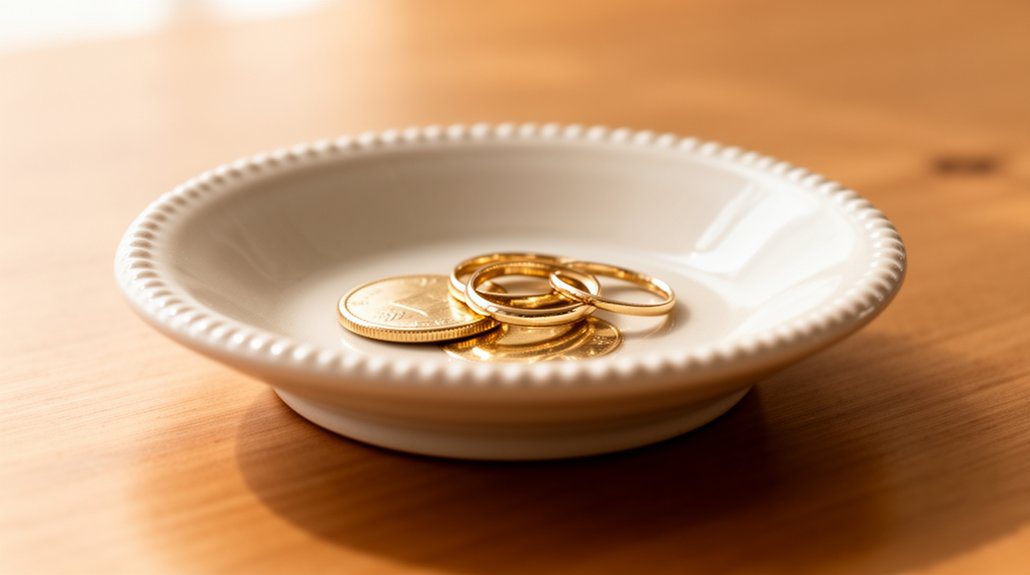
One of my favorite “use-it-every-day” foam clay projects is a beaded-edge dish for coins and rings, and it looks way fancier than it is. I roll a small ball, press it into a shallow bowl shape, then smooth the center with a damp finger.
Next, I add the fun part: beaded techniques. I pinch tiny pea-size bits, line them around the rim, and press gently so they stick like cute bubbles. For dish customization, you can change the size, mix colors, or texture the base with a toothpick. Make one for you, then gift one too.
Quick Ring Holder for the Sink Ledge
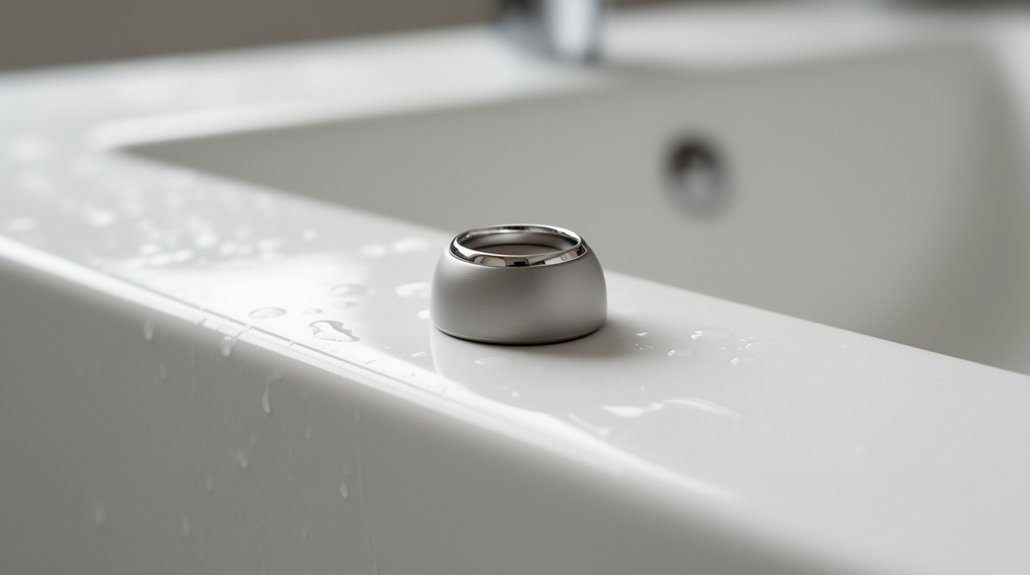
When I’m about to wash my hands or tackle a sink full of dishes, I hate leaving my rings on the counter where they can roll away or get splashed, so I make a quick foam clay ring holder that sits right on the sink ledge. I shape a tiny dish with a raised edge, then press a little groove so bands don’t slide. My ring holder design can match your bathroom—soft pastels, bold stripes, even a mini shell. Here are crafting tips that make it feel like we’re creating together:
- Calm, clutter-free hands
- No more “where’d it go?” panic
- A pop of cozy color
- Pride every time you wash
Salt Spoon Set for a Handmade Gift
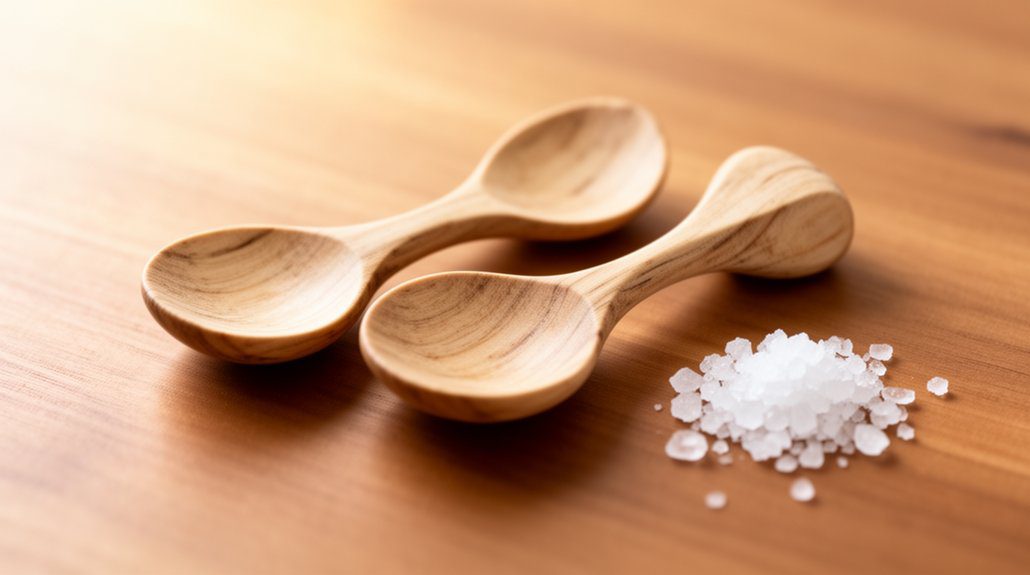
After I’ve made a tidy little spot for my rings by the sink, I like to keep that same “small thing, big relief” energy going with a foam clay salt spoon set you can gift. I roll a small ball for the bowl, press a thumb dip, then pinch the edges smooth—easy beginner crafting techniques that feel calming. Next, I add a skinny handle and blend the seam with a damp finger. For salt spoon personalization, I tint each spoon a different color, or stamp tiny dots, initials, or a heart. Wrap them with exquisite salt, and you’re instantly “in” with food lovers.
Safe Candle + Incense Holders (Sealed + Stable)
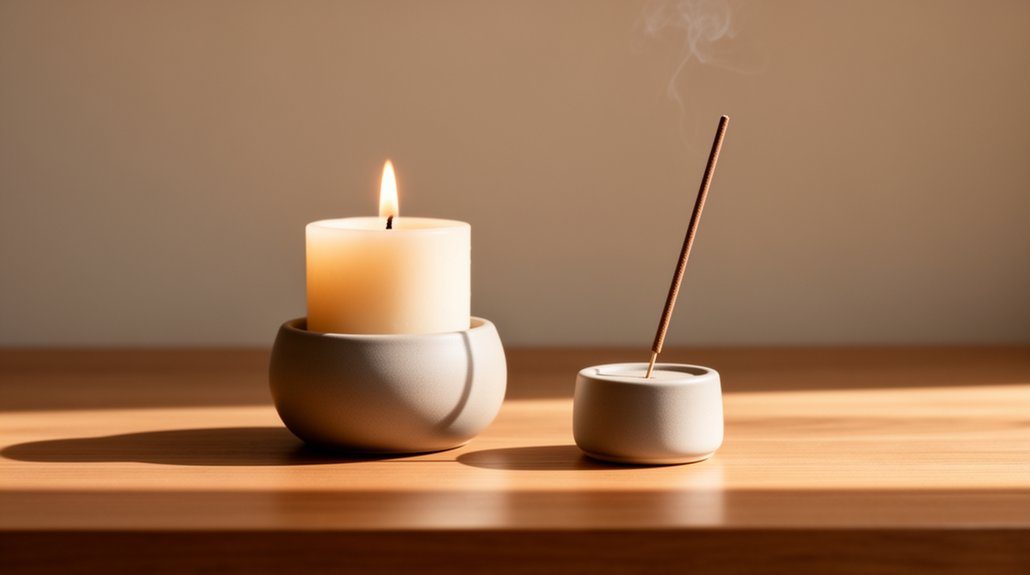
- You’ll feel proud showing your handmade set.
- Friends will want to craft alongside you.
- Your space will feel calmer and cozier.
- Everyone stays safer, together.
Frequently Asked Questions
Is Foam Clay Safe for Young Children, and What Age Is Best?
Foam clay is typically safe with supervision; for foam clay safety, I recommend ages 3+ for simple play, and 6+ for detailed projects. I’ll help you choose non-toxic brands and keep everyone included.
How Should Foam Clay Creations Be Stored to Prevent Dust and Dents?
Store foam clay pieces in airtight boxes with soft padding; I use tissue or foam inserts. Add protective coatings after curing, then keep creations separated. With these storage solutions, you’ll avoid dust, dents, and fit in.
Can I Paint Foam Clay Before It Dries, or Only After?
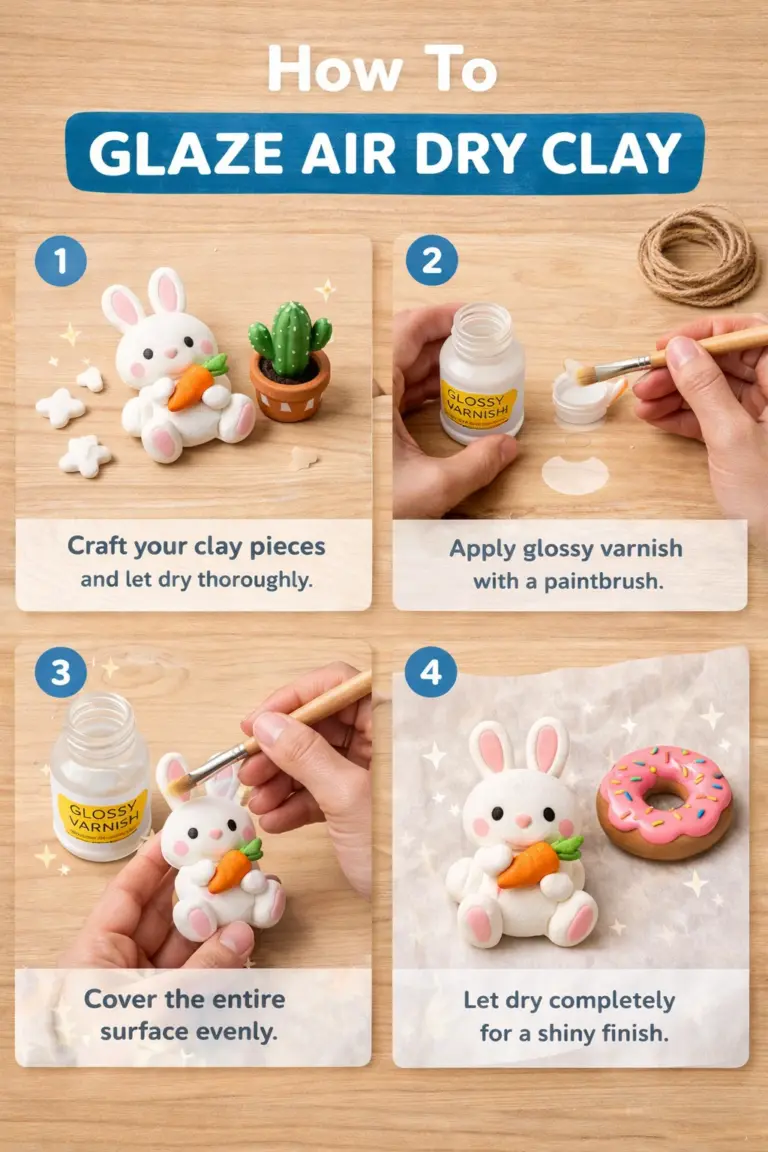
You can paint it before or after it dries—think of wet clay like a sponge. I use Painting techniques lightly while damp, then add details after Drying time, so your piece feels finished and yours.
What Glue Works Best for Attaching Foam Clay to Glass or Metal?
I’d use E6000 or a clear two-part epoxy as my foam clay adhesive; they grip best with glass metal compatibility. Roughen and clean surfaces, press firmly, and let cure fully—you’ve got this.
How Do I Make Foam Clay Projects More Water-Resistant for Bathrooms?
I treat moisture like a sly thief: I lock it out with waterproof sealants—two to three thin coats of polyurethane or acrylic varnish—letting each cure fully. You’ll get bathroom durability, and we’ll keep it together.