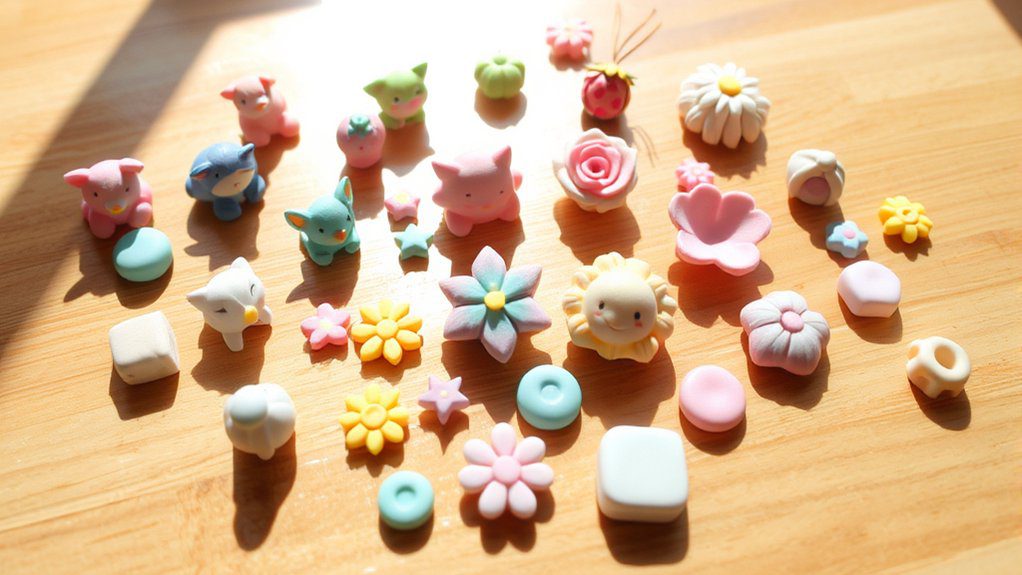
13 Easy Clay Crafts Air Dry for Beginners
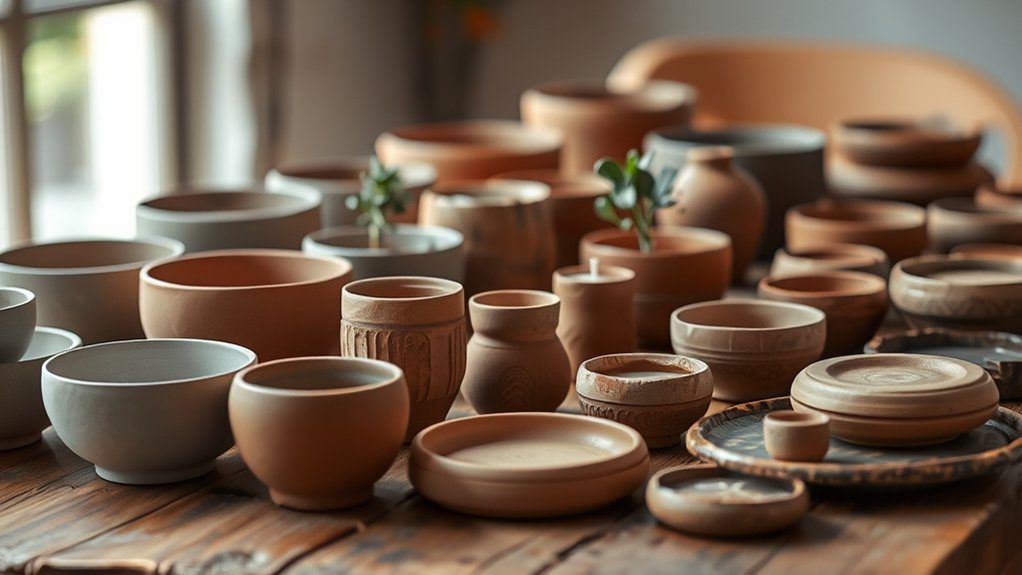
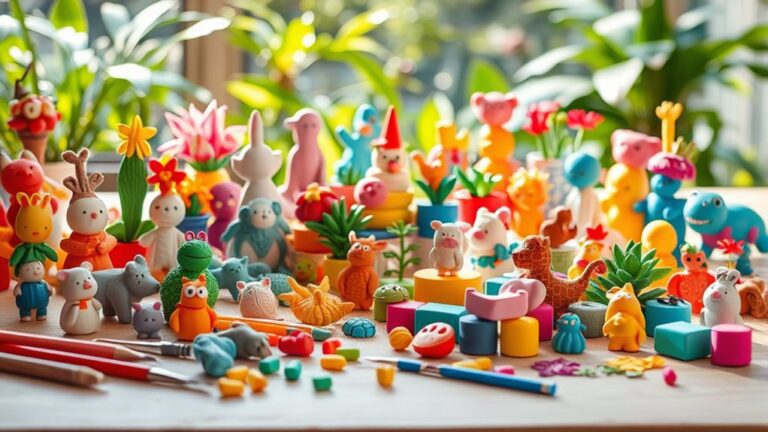
I’ll help you make 13 easy air-dry clay crafts with just clay, a craft mat or baking paper, a rolling pin, simple tools, plus water and a sponge for smoothing. First, knead well to prevent bubbles, then dry pieces in cool shade with steady airflow to avoid cracks. Try flower coasters, little house ornaments, magnet mini vases, modern photo holders, wavy trinket bowls, beaded-edge dishes, ring holders, and chunky bookends. Keep going to grab extra crack-proof and sealing tips.
Love cozy DIY projects? 💕
Get free printable guides, exclusive tutorials & surprise craft goodies straight to your inbox.
Disclosure: This post may contain Amazon affiliate links, at no extra cost to you. Content on DiyCraftNest is created with research support from AI tools and carefully reviewed, edited, and fact-checked by the lead author, Daniel Pat, to ensure accuracy and reliability. Learn more
Key Takeaways
- Gather basics: air-dry clay, craft mat or baking paper, rolling pin, simple tools, plus water and a sponge for smoothing.
- Prevent cracks by kneading well, misting edges, building in smaller parts, and drying in cool shade with steady airflow.
- Try beginner projects like flower coasters, wavy trinket bowls, ring holders, modern photo holders, and little house ornaments.
- Add function with simple upgrades: magnet mini vases, earring holders with punched holes, and cute drink stirrers with painted toppers.
- Finish professionally by fully drying first, painting with acrylics, then sealing with matte or glossy varnish tested on a small area.
Air Dry Clay Supplies (Beginner Checklist)
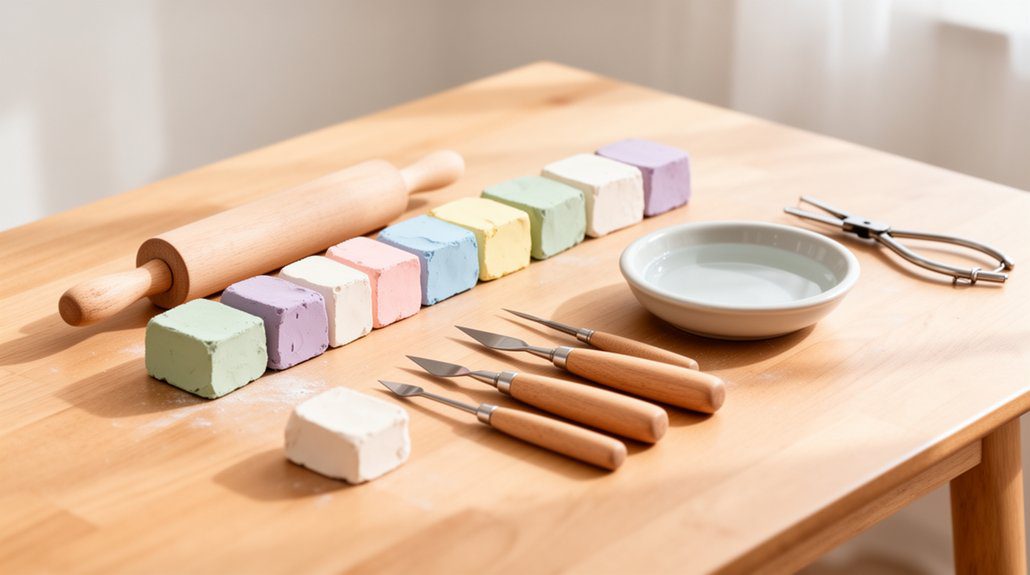
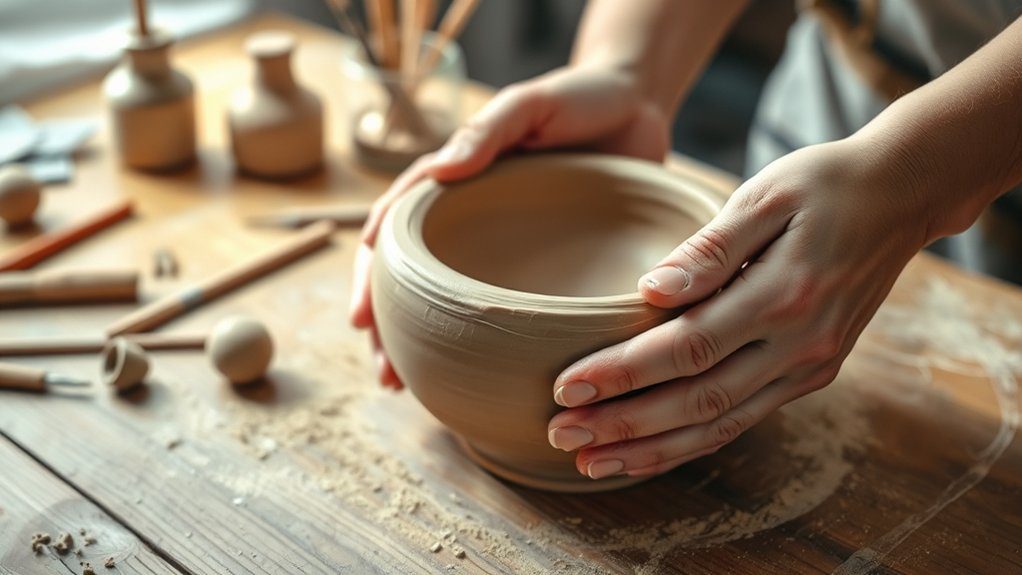
Three things make air dry clay way less intimidating to start with: the clay itself, a clean workspace, and a few simple tools I can grab and use right away. I lay down a craft mat or baking paper, then keep a rolling pin and basic sculpting tools nearby for shaping.
Next, I set out water and a sponge. Water helps me smooth edges and join pieces, and the sponge lifts extra moisture without making a mess.
For finishing, I add acrylic paints, brushes, and a sealant if I want durability. Finally, I store leftovers in plastic wrap or an airtight container. Beginner tips: keep it simple.
Prep and Dry Clay to Prevent Cracks
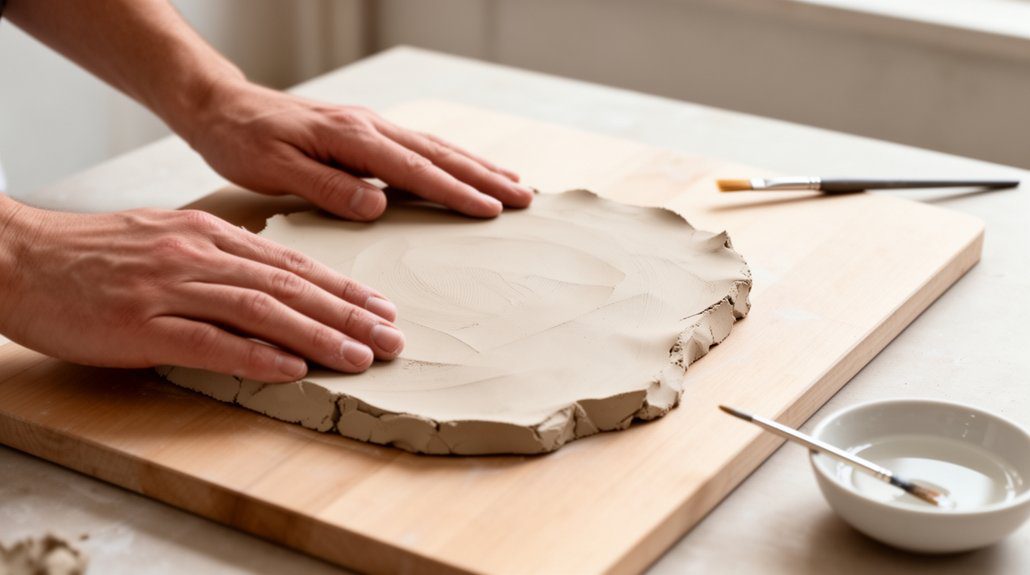
Once I’ve got my supplies laid out and my workspace ready, my next goal is simple: keep my clay from cracking while I work and while it dries. I start with kneading techniques that press and fold the clay until it feels smooth and bubble-free. While I shape, I keep a damp sponge nearby and lightly mist dry edges so nothing turns brittle. For bigger builds, I make smaller parts and join them later to reduce stress. Then I choose gentle drying methods: cool shade, steady airflow, no sun or heaters. If a crack appears, I wet it, smooth it, and let it rest.
Flower Coasters: Roll, Cut, Stamp
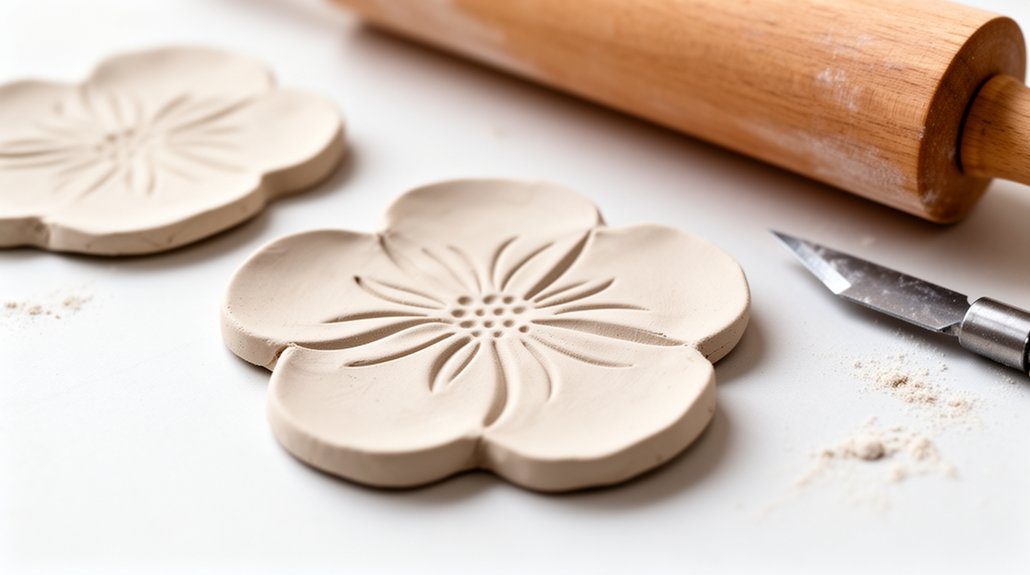
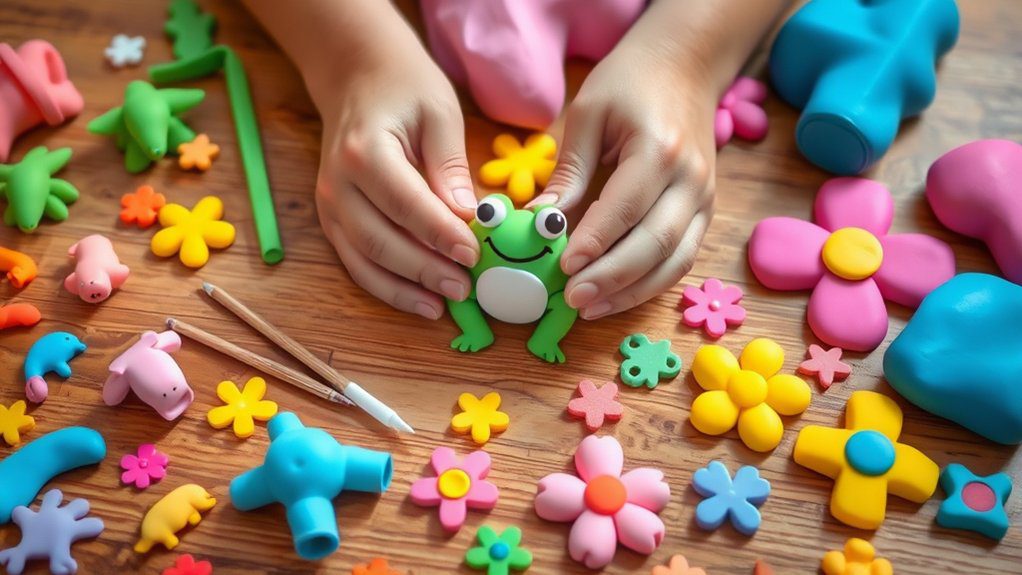
A simple set of flower coasters is one of my favorite beginner clay projects because it feels like play, but you end up with something you’ll actually use. Roll air dry clay with a pin, cut flower shapes, then press stamps or a skewer for petals—easy flower coaster techniques you can share with our crafty crew.
- I roll evenly, and you’ll feel proud.
- I cut clean edges, and you’ll relax.
- I stamp details, and you’ll smile.
- I try creative color mixing or paint later, and you’ll feel at home.
Let them dry flat, then gift them.
Personalized Little House Ornaments
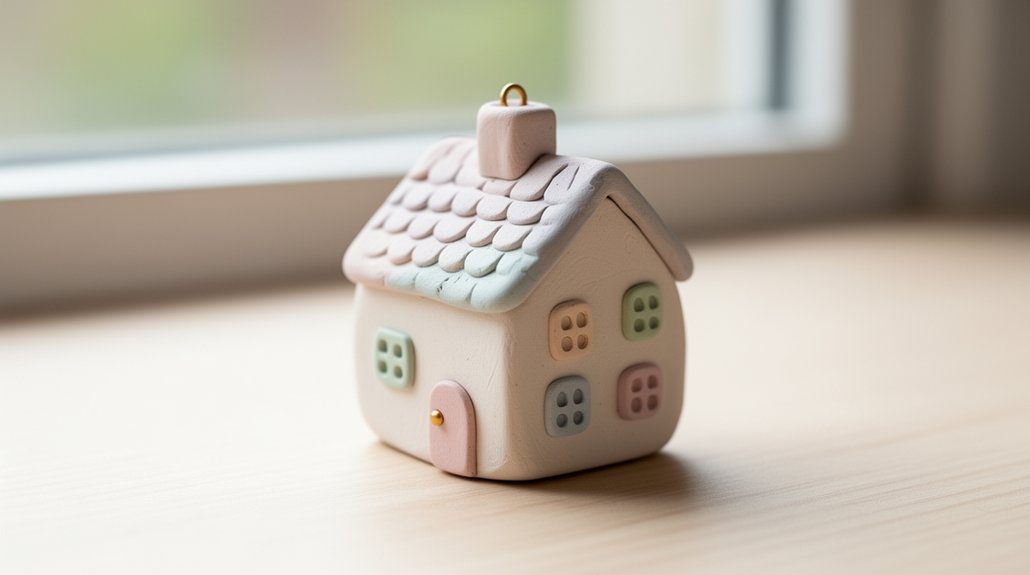
Tiny houses carry big stories, and I love turning those stories into personalized little house ornaments with air dry clay. You’ll roll a slab, cut a simple house shape, then pinch a roofline—easy for beginners of any age. I add windows and doors with a toothpick, then paint colors that match a real place you miss or love. These make sweet gifts and instant belonging on a tree or shelf, especially with holiday themes.
| Element | customization ideas |
|---|---|
| Roof | snowy, shingles, bright |
| Door | initials, wreath, color |
Magnet Mini Vases (and How to Glue Magnets)
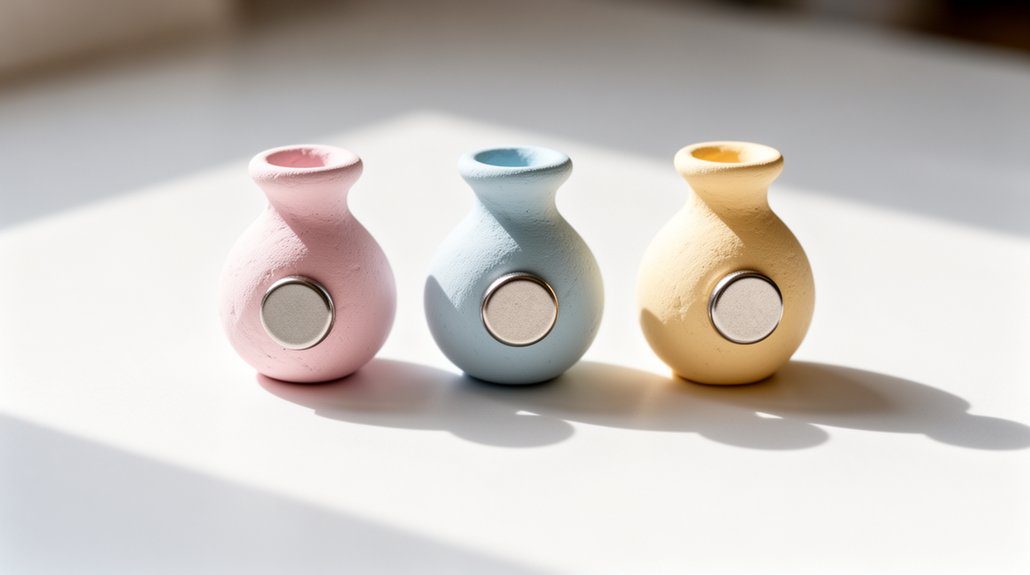
Two of my favorite things to make with air dry clay are mini vases you can stick right on the fridge—and the trick is treating the magnet like a “hardware step,” not an afterthought. I shape tiny vessels with a stem-friendly opening, then let them dry fully. After that, I use E6000 or super glue to attach a small magnet on the flattest back spot; magnet placement techniques like centering low keep it stable. Try vase decorating ideas with acrylic paint, dots, or stripes.
- Make a tiny vase for “we belong” blooms.
- Let it cure—patience feels proud.
- Glue magnet, press, and wait.
- Gift it; watch faces light up.
Modern Photo Holders for Desks
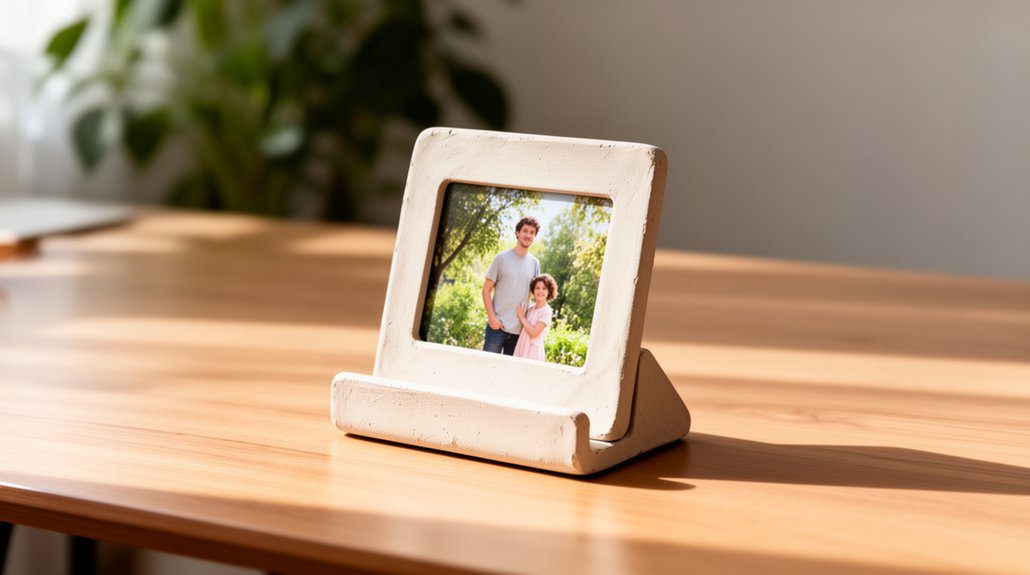
Once you’ve had fun making fridge-ready mini vases, it’s really satisfying to bring that same air-dry clay magic onto your desk with modern photo holders. I shape a small base, then pinch a slit or add a tiny clay “loop” to grip a picture.
You can personalize yours with creative designs—smooth arches, chunky circles, or little color-blocked slabs. I keep it simple: paint after it dries, or mix in color for a soft look. These pieces feel like functional decor, keeping favorite memories upright and your space feeling like your own. Plus, they’re quick, so they’re perfect for last-minute gifts.
Wavy Trinket Bowl With Painted Stripes
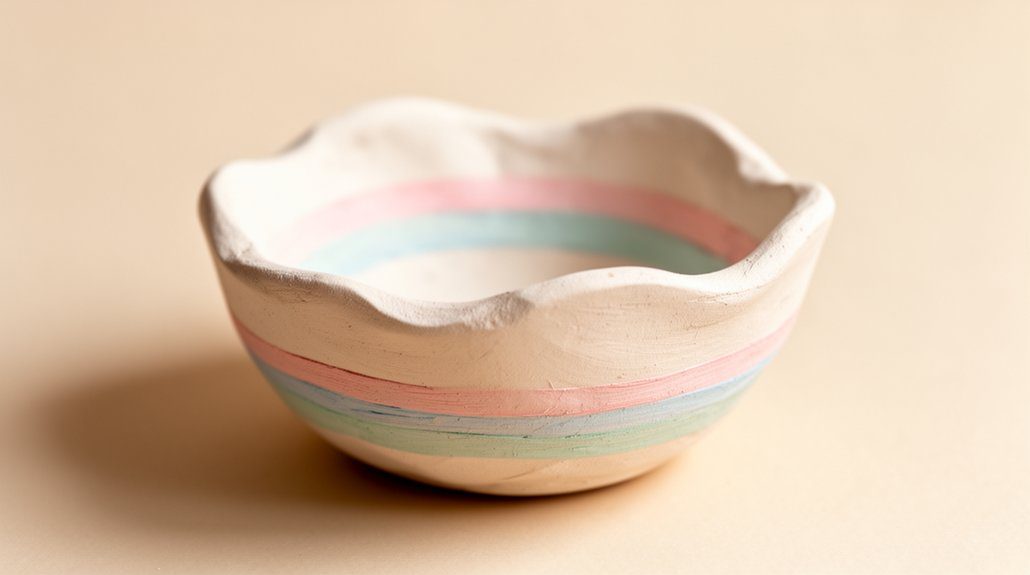
A wavy trinket bowl with painted stripes is one of my favorite beginner clay projects because it looks elegant, but it’s truly simple to make. I shape air dry clay into a shallow dish, then pinch the rim into soft, flowing waves for an organic look. When it’s dry, I paint stripes with acrylic or water-based paint, testing bold color combinations first on scrap. Try these design variations to make it feel like ours:
- Calm pastel bands for cozy vibes
- Bright rainbow stripes for joy
- Black-and-white lines for confidence
- Metallic accents for a “you did that” glow
Earring Holder for Studs + Hoops
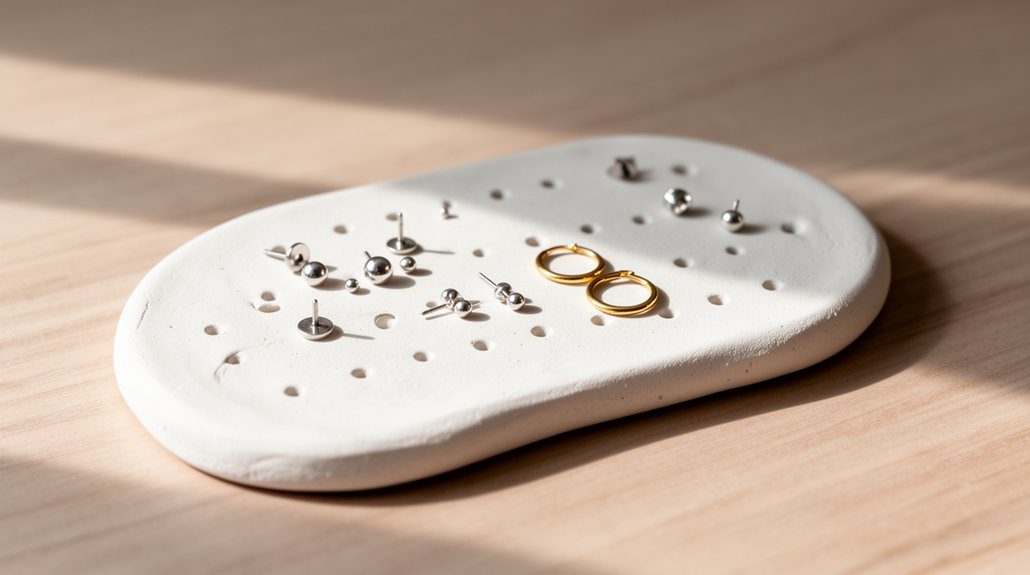
Jewelry chaos is real, so I love making an air-dry clay earring holder that keeps both studs and hoops neat, visible, and easy to grab. I roll clay, cut a shape you’ll love (arch, cloud, or mini slab), then smooth the edges so it feels polished, like something we’d proudly share.
Next, I poke tidy rows of holes or cut thin slots for studs. For hoops, I add a gentle curve or a small ridge so they don’t slide off. After it dries, I use clay painting techniques with acrylics—dots, stripes, or color blocks—to match your vibe and investigate earring holder designs.
Cute Drink Stirrers for Parties
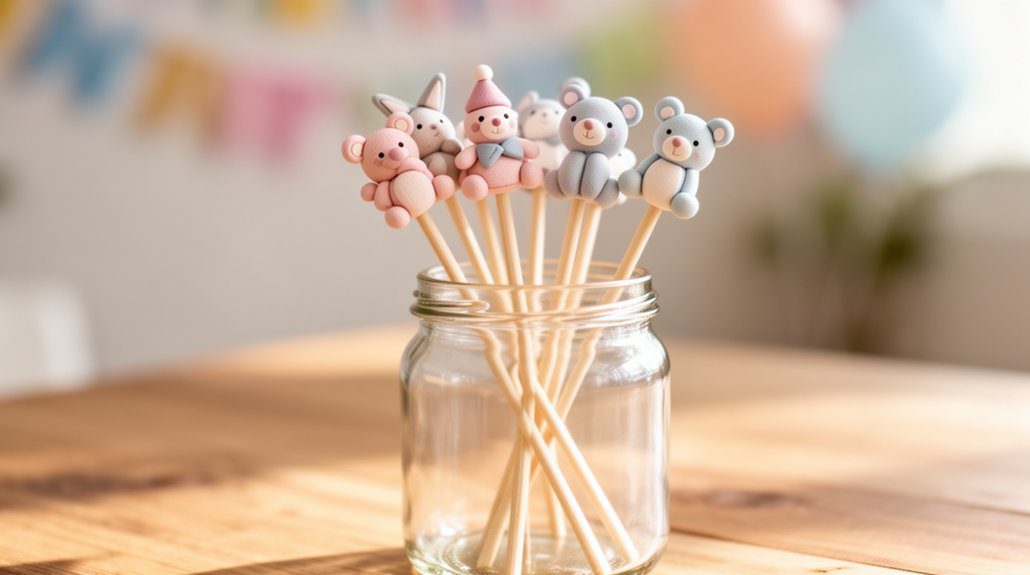
After organizing my earrings with clay, I like to use the same air-dry clay magic to make cute drink stirrers that instantly brighten up a party table. You only need clay, a skewer or reusable stick, paint, and clear sealer, so beginners and kids can jump in.
I shape tiny toppers into creative shapes and paint colorful designs to match the theme, then let them dry fully before sealing. When friends stir their drinks, it feels like we’re all part of the same celebration.
- Joyful hearts
- Sunny lemons
- Cozy stars
- Silly mushrooms
Chunky Bookends for Small Shelves
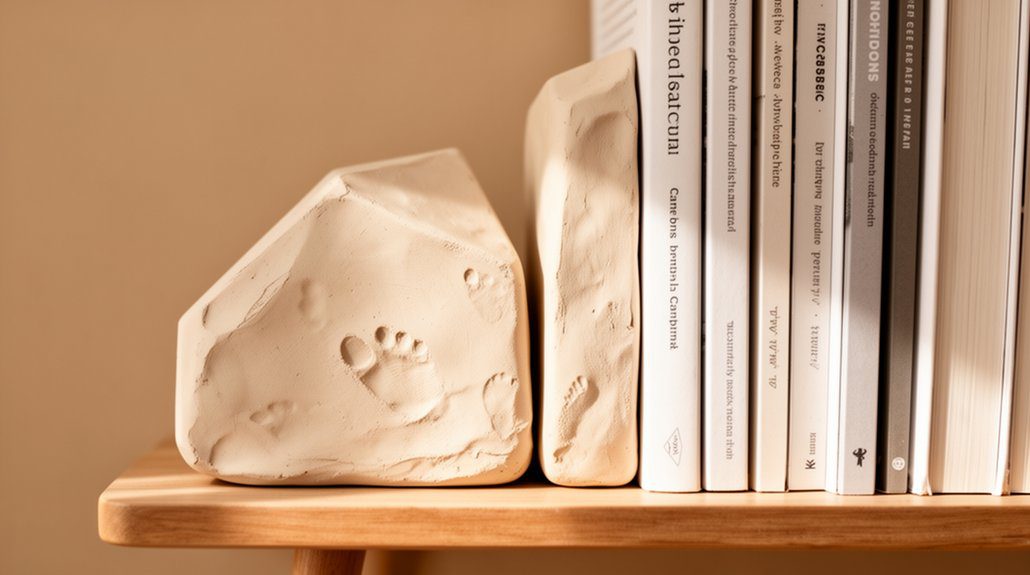
Since small shelves can tip into chaos fast, I love making chunky air-dry clay bookends that keep my books upright while adding a bold pop of color to the room.
I start by pinching off two equal clay blocks, then I press each into an L shape so one side hugs the shelf and the other side braces the books. Beginners fit right in here—basic smoothing and gentle pressing do the job. Next, I carve simple colorful shapes or stack layers for creative designs. Let them dry flat, then paint to match your space. You’ll end up organized, and proudly handmade.
Beaded-Edge Dishes and Coasters
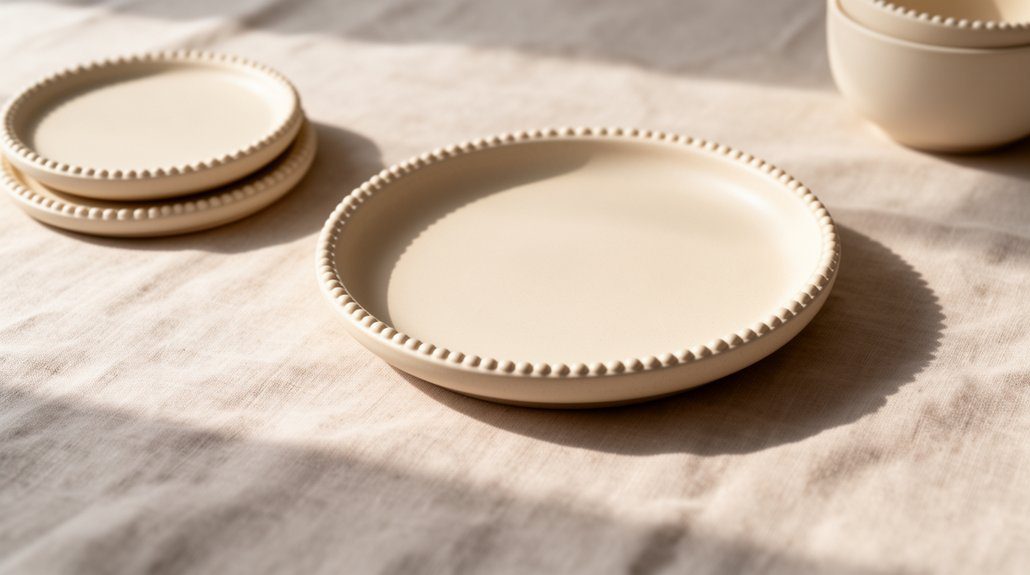
Tiny dots can make a big difference, and that’s exactly why I love beaded-edge dishes and coasters. If you’re new to air dry clay, this project lets you practice smooth shaping, then level up with beaded techniques around the rim.
- Pick a size and color that feels like *you*.
- Roll tiny balls, press them evenly, and watch the edge come alive.
- Try stripes, speckles, or paint washes for more decorative options.
- Share one as a gift, and you’ll feel instantly connected.
When they dry, you’ve got trinket dishes or coasters that quietly show your style.
Ring Holder for Sink or Nightstand
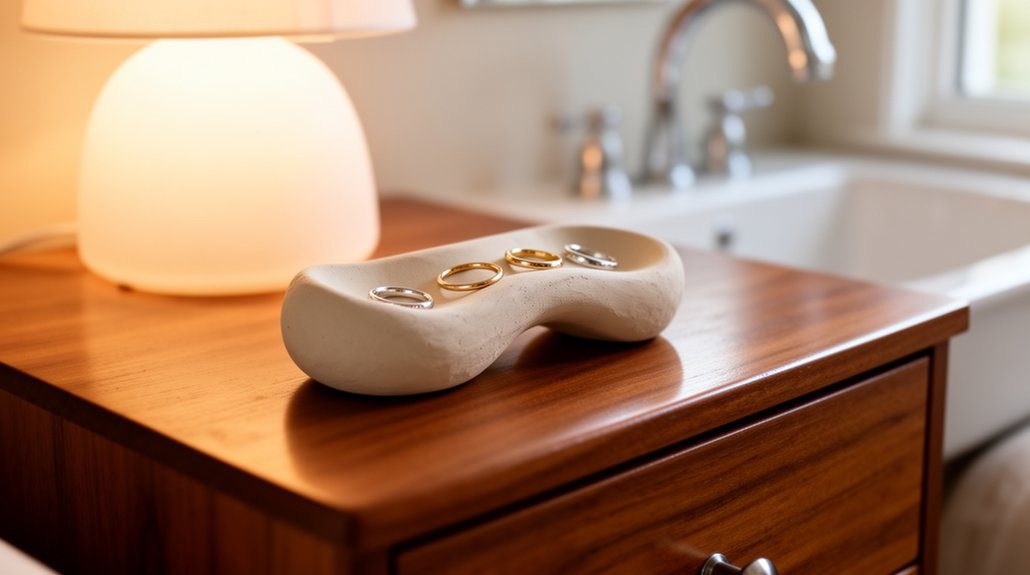
One of my favorite quick clay projects is a ring holder you can park by the sink or on your nightstand, because it keeps your rings safe the moment you need to take them off. I pinch off a small lump of air dry clay, roll a short cone, and press the base flat so it won’t tip. For extra stability, I smooth the bottom with a damp finger. Then I play with ring holder designs: a tall spike, a tiny dish with a center post, or a scalloped base. These clay crafting techniques are beginner-friendly, and you’ll feel right at home making one.
How to Paint and Seal Air Dry Clay
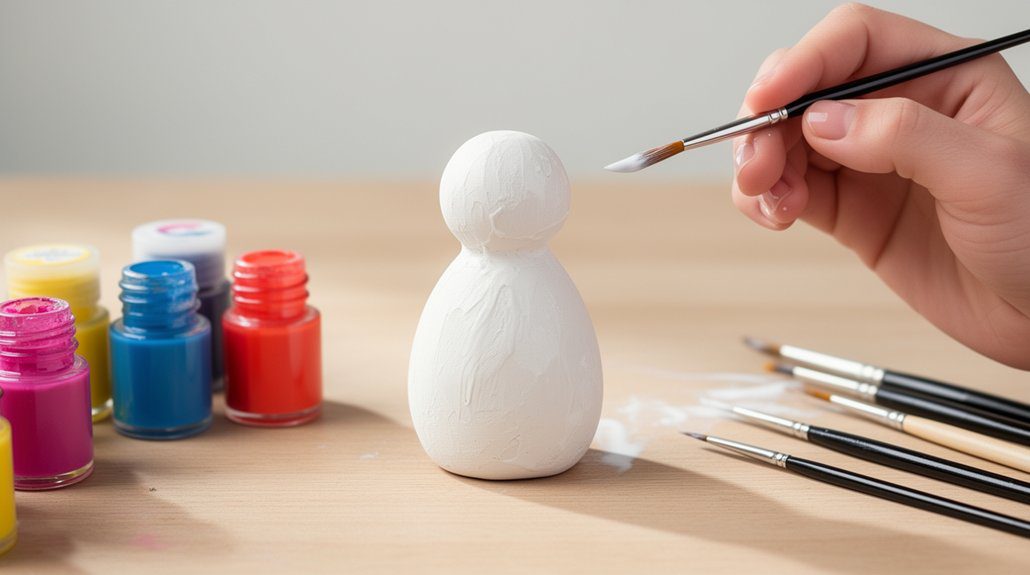
After you’ve formed a sweet little ring holder (or any air dry clay piece), painting and sealing it is what really makes it look finished—and helps it hold up to everyday handling. I always wait until it’s fully dry, so colors don’t smudge and the finish looks smooth.
- Pick acrylic or water-based paint for bright, friendly color.
- Try painting techniques like soft brushing for clean lines or sponging for cozy texture.
- Let paint dry completely, then use sealing methods like a clear glaze or sealant for shine and protection.
- Handle gently—air dry clay isn’t water-resistant, but it can still last.
Frequently Asked Questions
How Do I Store Leftover Air Dry Clay to Keep It Usable?
Like I’m sealing a VHS tape, I wrap your clay tightly in plastic, mist it lightly, then seal it in an airtight bag. For leftover clay storage and air dry clay preservation, I add a damp paper towel, together.
Is Air Dry Clay Safe for Kids and Food-Contact Items?
Air dry clay can be safe for kids with supervision; check labels for non-toxic certification and mind clay safety with dust. For food-contact items, I don’t recommend it unless sealed food-safe—join us in caution.
Can I Make Air Dry Clay Crafts Waterproof for Outdoor Use?
Yes—you can make air dry clay more weather-resistant, but not truly waterproof. I recommend waterproof sealants like outdoor polyurethane or epoxy, applied in thin coats, to boost outdoor durability so you’re crafting confidently with us.
What’s the Best Way to Fix Broken or Chipped Air Dry Clay Pieces?
I fix broken or chipped air-dry clay by sanding edges, then using adhesive options like PVA glue or epoxy putty, clamping, and filling gaps with fresh clay. These repair techniques help you belong among makers.
How Can I Make Air Dry Clay Crafts Look Like Ceramic or Stone?
Like a sculptor chasing marble’s hush, I’ll help you mimic ceramic or stone: use glazing techniques with varnish or resin, then layer acrylic washes; apply texturing methods—sponges, sand, stamps—so your piece feels gallery-worthy, together.