17 Creative Ways to Upcycle Plastic Containers at Home
I love turning empty plastic tubs into useful things, and you can too: make pantry jars for rice and spices, desk holders for pens, seed-starting pots with drainage, bathroom caddies for brushes, and craft bins for beads; convert bottles into scoops or travel toiletry kits, use clear tubs for fridge zones, stackable organizers for chargers, and even a small compost pail. I’ll share specific sizing, labeling, and sealing tips so you can pick the best projects and get started.
Love cozy DIY projects? 💕
Get free printable guides, exclusive tutorials & surprise craft goodies straight to your inbox.
Disclosure: This post may contain Amazon affiliate links, at no extra cost to you. Content on DiyCraftNest is created with research support from AI tools and carefully reviewed, edited, and fact-checked by the lead author, Daniel Pat, to ensure accuracy and reliability. Learn more
Key Takeaways
- Turn yogurt cups and takeout tubs into labeled seed-starting pots with drainage holes for seedlings.
- Reuse coffee cans and large tubs as stackable pantry jars for grains, snacks, and pet food with marked portion lines.
- Convert small bottles and pill containers into desktop organizers for pens, paperclips, and craft supplies.
- Transform sauce jars and detergent jugs into bathroom holders and liquid dispensers for toothbrushes, cotton swabs, and soap.
- Paint and decorate clear plastic boxes for fridge organization, toy sorting, or wall-mounted storage to save space.
Pantry Storage Jars
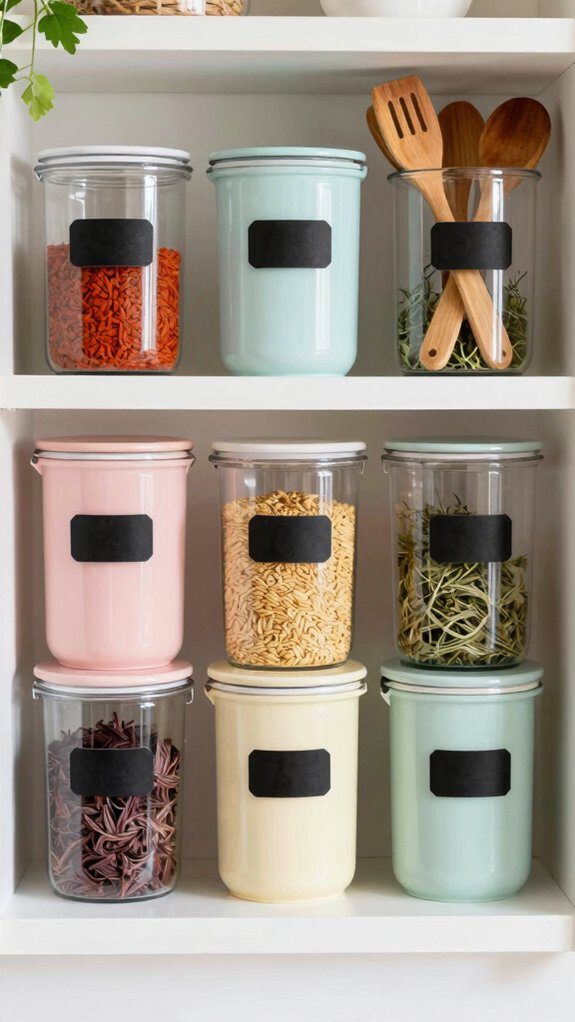
Think of your pantry as a tiny workshop where old plastic tubs get a second life—I’ve found that recycled coffee cans, yogurt cups, and juice bottles make ideal storage jars for grains, snacks, and spices. I like grouping similar items in transparent containers so I can spot rice, oats, or nuts at a glance. For cohesion, I choose uniform sizes for bulk staples and smaller tubs for spices; it looks neat and saves space. Use pantry organization tips like arranging by frequency of use and stacking pairs for stability. Try container labeling techniques—chalkboard paint for erasable names or adhesive labels with dates—so everyone in our household knows what’s what. These small steps build a shared, tidy pantry we all enjoy.
Desk Organizer Containers
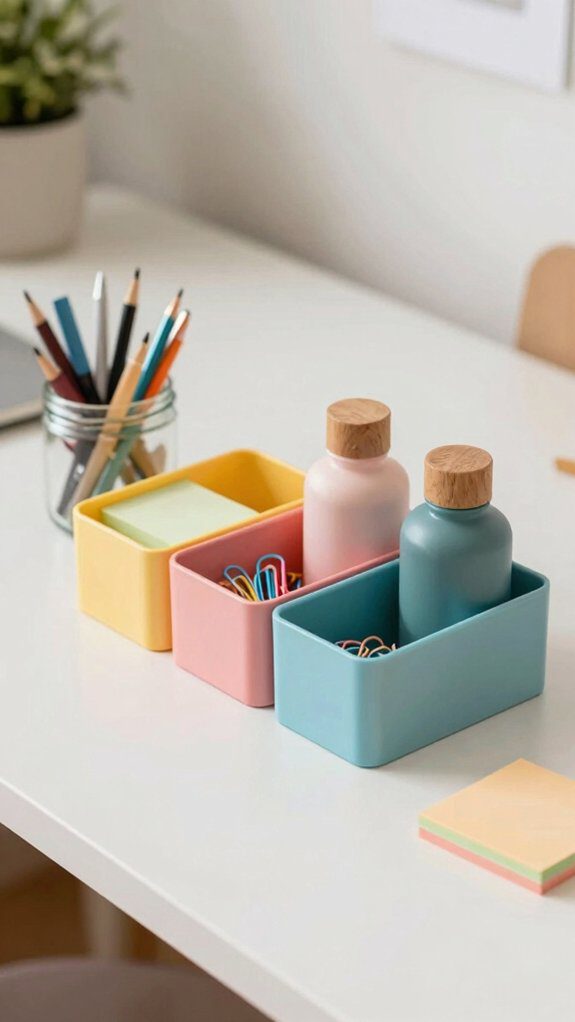
When my desk starts to look like a tornado hit it, I turn to old plastic tubs and bottles to reclaim order and add a bit of personality to my workspace. I use yogurt cups and small food tubs as pen and pencil holders, which instantly reduces clutter and feels like a small victory. Tall condiment bottles are perfect for markers and highlighters; they save horizontal space and keep tools upright for easy grabbing. Divided takeout containers become multifunctional trays for scissors, sticky notes, and chargers. I decorate plain containers with Mod Podge and paper to match my style, so everything feels like it belongs. Even prescription bottles are great for paper clips and pins. These desk organization tips show creative container uses that welcome you in.
Seed Starting Pots
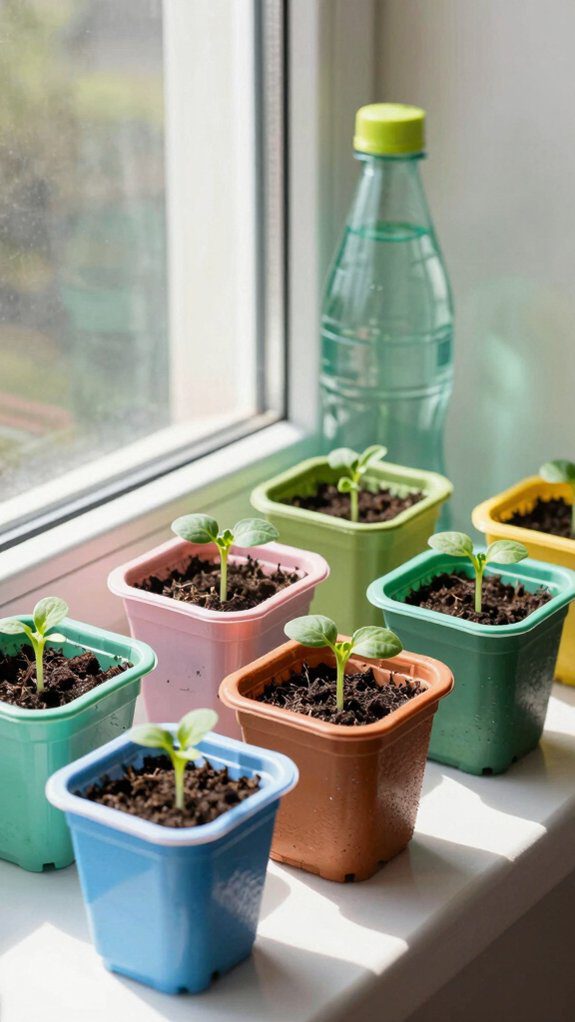
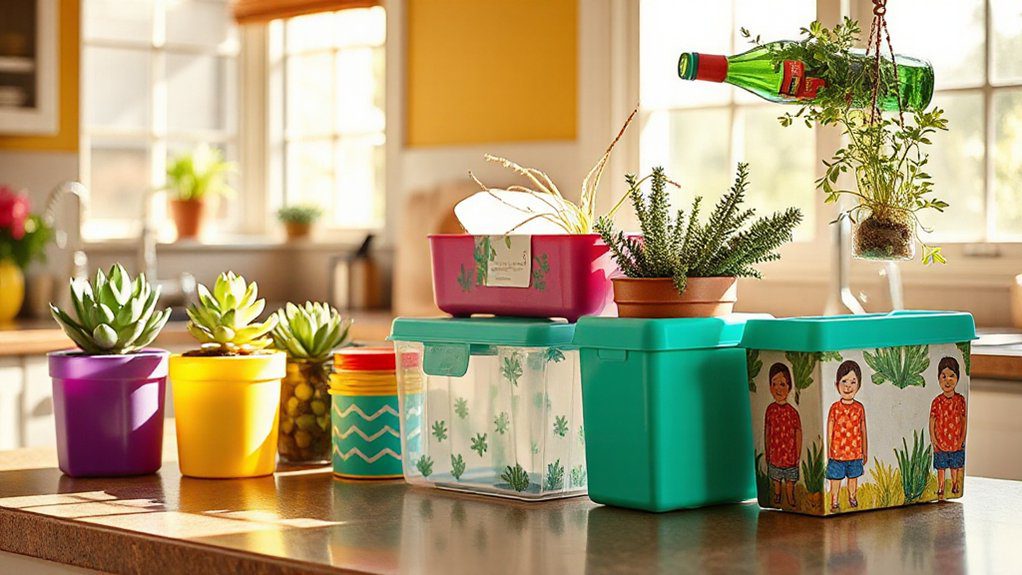
I love turning yogurt cups and takeout containers into seed starting pots for indoor gardening because they’re lightweight, durable, and easy to move to sunny windowsills. I poke drainage holes, fill them with a quality seed-starting mix that holds moisture but still breathes, and label each cup with the plant type and date so I can track progress. When seedlings are sturdy, I transplant them into bigger pots or the garden, which makes the whole process simple, budget-friendly, and satisfying.
Indoor gardening use
Seed-starting with old plastic containers is one of my favorite low-cost ways to bring a bit of green indoors, and you can get great results with a few simple steps. I turn yogurt cups, food tubs, and cut bottles into seed starting pots by drilling drainage holes and using clear bottle tops as mini greenhouses to trap warmth and moisture. For seedling care, keep soil lightly moist, give bright indirect light, and label each container with plant type and sowing date so you can track progress. To boost container aesthetics and pride, I paint outsides with non-toxic paint or add simple designs—it’s sustainable and personal. These steps save money, reduce waste, and help you grow herbs and veggies at home.
Bathroom Supply Holders
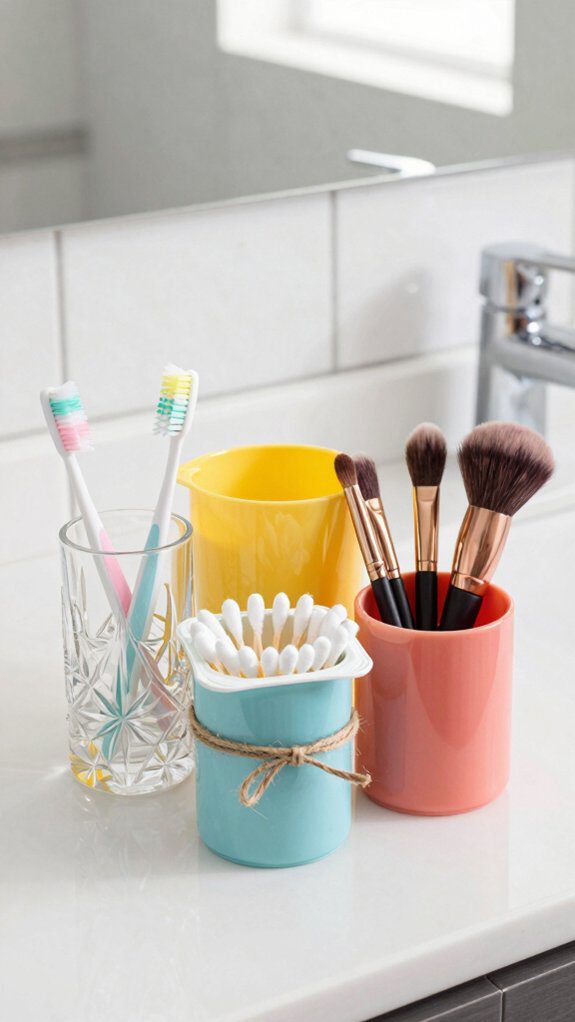
Bathroom counters can get cluttered fast, so I like turning simple plastic containers into tidy, attractive holders that keep everything within reach. For bathroom organization tips, I repurpose old pill bottles to store cotton swabs, hair ties, or small cosmetics—they’re perfect for drawers and make finding items feel communal, like sharing ideas with a friend. Empty yogurt cups hold brushes and combs upright, saving counter space and looking neat. Plastic coffee containers work well for larger items such as bath salts or hair products, while recycled sauce jars become stylish toothbrush and toothpaste holders. I also cut and modify detergent bottles with squirt tops to dispense soap or shampoo in the shower. These eco friendly supplies help us reduce waste and feel connected to a greener routine.
Kids Craft Storage
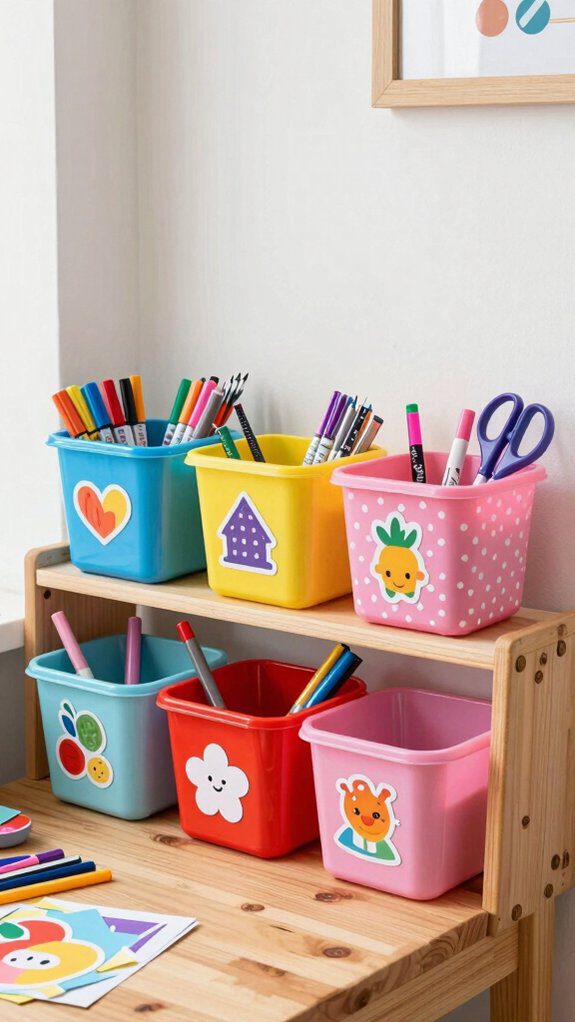
After clearing out bathroom counters, it’s fun to bring that same tidy energy into kids’ craft zones—those little containers that held cotton swabs or hair ties can get a second life corraling art supplies. I love using old yogurt cups, prescription bottles, and clear takeout tubs for craft supply organization; kids can see beads, buttons, or crayons at a glance and choose independently. Bigger containers like coffee canisters hold tape rolls or paper stacks so play areas stay neat. Divided food trays are perfect for sorting small bits, and decorating containers with stickers or paint makes each child feel at home. Try a simple system:
- clear tubs for visible storage
- divided trays for tiny bits
- large canisters for bulk items
This creative repurposing builds order and pride.
Drawer Dividers
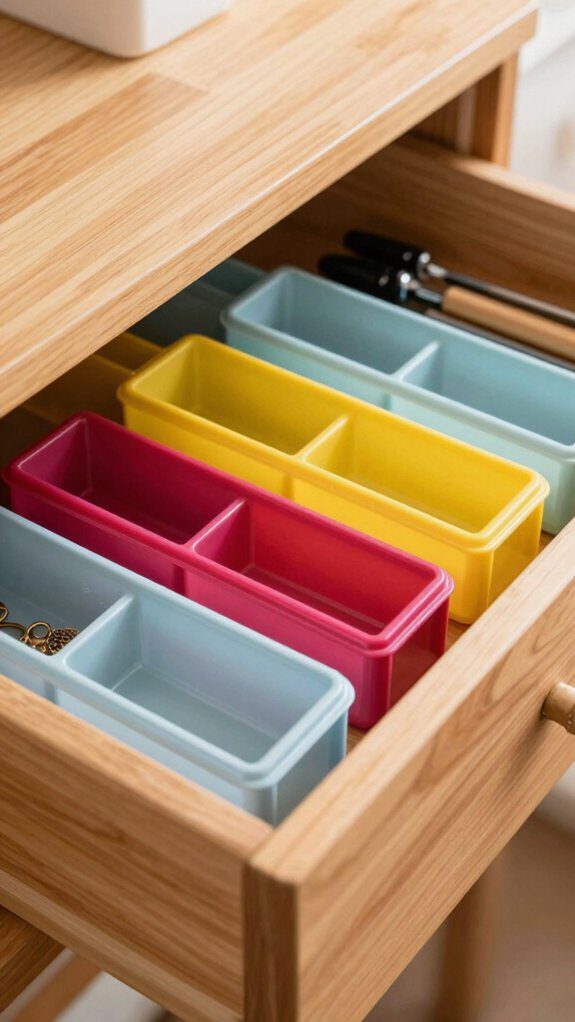
Think of drawer dividers as tiny room-makers for your drawers—I like to turn yogurt tubs, takeout containers, and even long plastic packaging into neat compartments that keep utensils, pens, or crafting bits from jumbling together. I’ll walk you through simple steps to improve drawer organization: gather containers of different sizes, measure your drawer, and cut pieces to fit as customized compartments. Clear plastic gives instant visibility, so you can spot scissors or a pen without digging. I trim edges with sharp scissors, sand rough spots, and anchor dividers with double-sided tape or adhesive felt pads to stop sliding. This approach saves money, reduces plastic waste, and creates a tailored system that feels cozy and shared—your tidy drawers welcome everyone.
DIY Planters
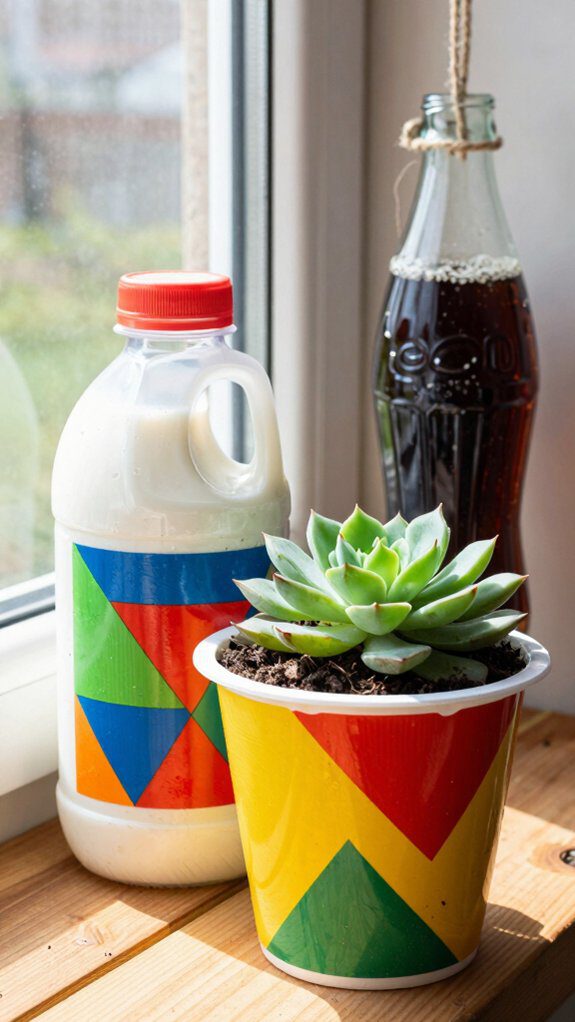
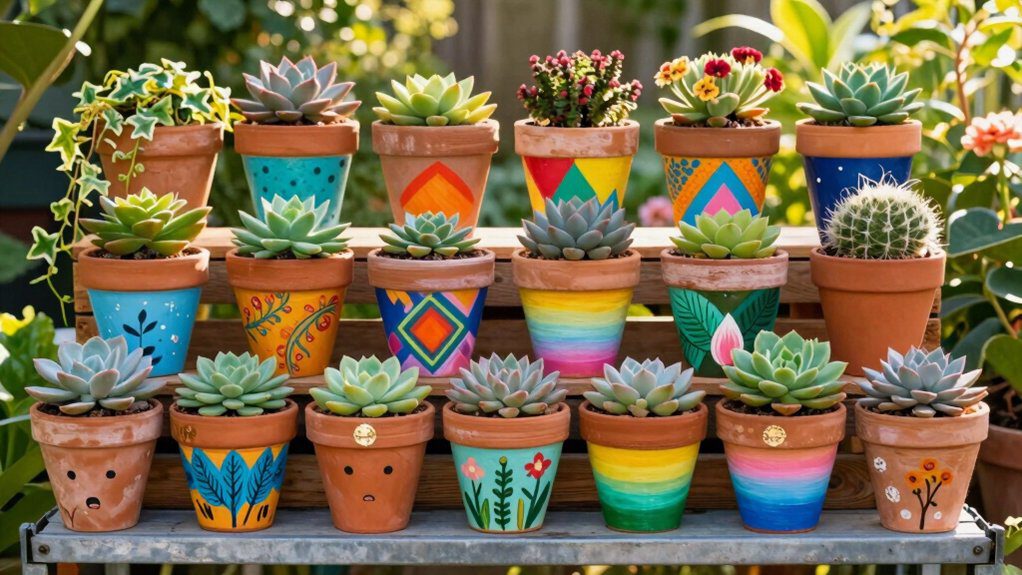
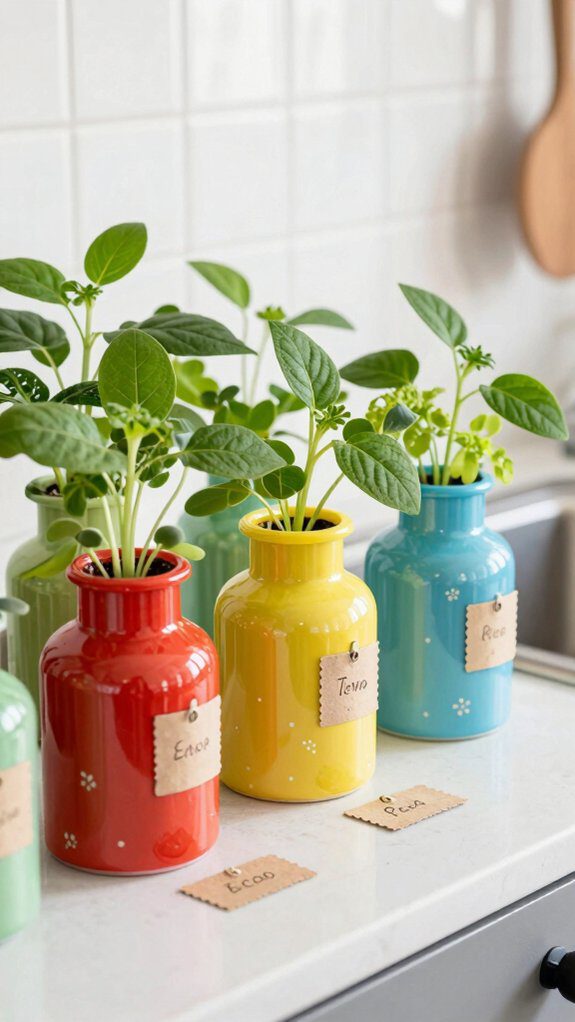
If you’ve got a sunny windowsill or a small balcony, I love turning yogurt cups, milk jugs, or clear strawberry boxes into cheerful indoor planters for herbs and compact flowers. I’ll show you how to add drainage holes, use clear containers to watch roots and moisture, and even set up a simple self-watering 2‑liter bottle system so you won’t have to water every day. With a bit of paint or decorations, these upcycled pots will protect the plastic from sun damage and look great beside your tea mug or potted fern.
Indoor or balcony plants
When I want to bring a little green into a small room or balcony, I reach for empty yogurt cups, coffee tubs, or even old detergent bottles and turn them into planters that actually look and work great; start by drilling drainage holes in the bottoms so water can escape, and use clear containers when you’re starting seedlings so you can watch root growth and moisture levels. I love indoor gardening and the way upcycled pots build belonging in tiny communities of plants. Try these simple options to fit your space and balcony aesthetics:
- Small yogurt-cup herbs with painted labels for kitchen windows.
- Vertical detergent-bottle pockets hung railing-side for trailing greens.
- Clear seedling trays to monitor roots before potting up.
Use saucers to protect surfaces and decorate with washi tape.
Reusable Lunch Containers
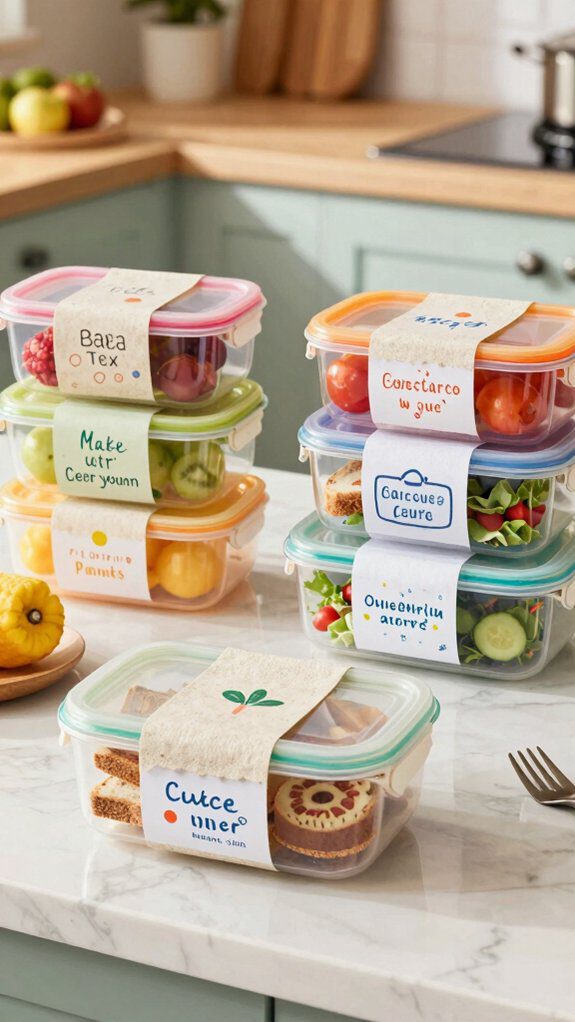
A few simple swaps can turn everyday plastic tubs into reusable lunch containers that save money and cut down on single-use waste, and I’ll show you how to get started. I like to collect sturdy take-home containers and yogurt cups, wash them thoroughly, and use them for packed meals — an easy way to follow lunch packing tips and make eco friendly choices. For grains, I portion rice into smaller repurposed tubs so meals stay organized and ready. I decorate plain lids with Mod Podge or washi tape to match my style, which makes packing more fun and personal. For snacks, yogurt cups are perfect for portion control. Stick with regular cleaning routines so these containers stay safe and long-lasting.
Garage Tool Organizers
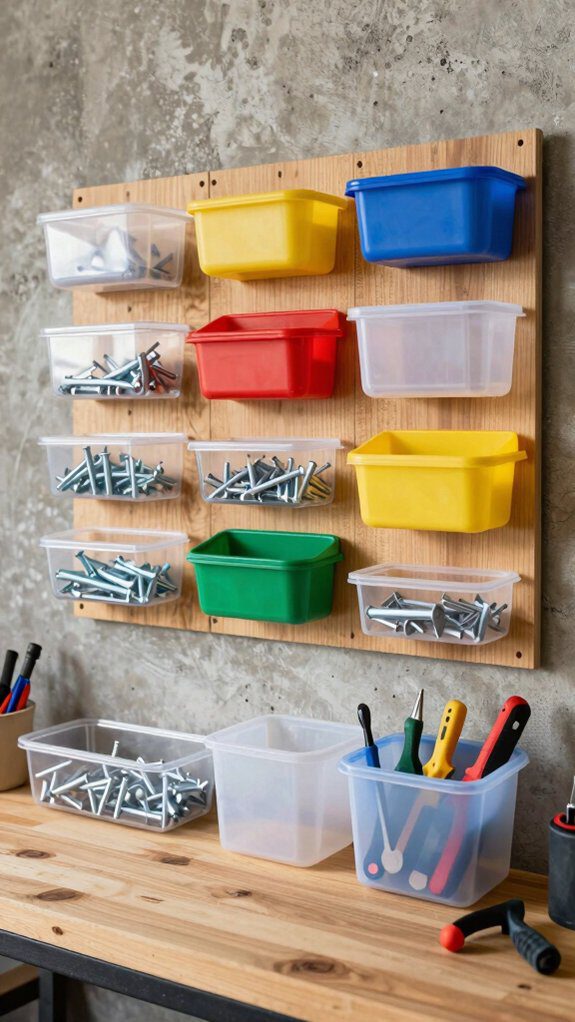
Clutter has a way of multiplying, so I like to turn old plastic containers into simple, low-cost garage tool organizers that actually make projects easier. I’ve found tool storage solutions that feel like they belong to a thoughtful workshop, not a chaotic shelf. Small yogurt cups and strawberry trays separate nuts and bolts so I can grab the right size fast. Large bins from bulk buys hold hammers, wrenches, and garden tools upright and visible. Paint cans become mobile caddies with a sturdy handle, perfect when I’m moving between projects.
- Use labeled shoe boxes or plastic tubs for grouped supplies.
- Mount rows of cups on pegboards for instant access.
- Stack clear bins so contents stay visible.
These DIY organizers save time and invite teamwork.
Toy Sorting Bins
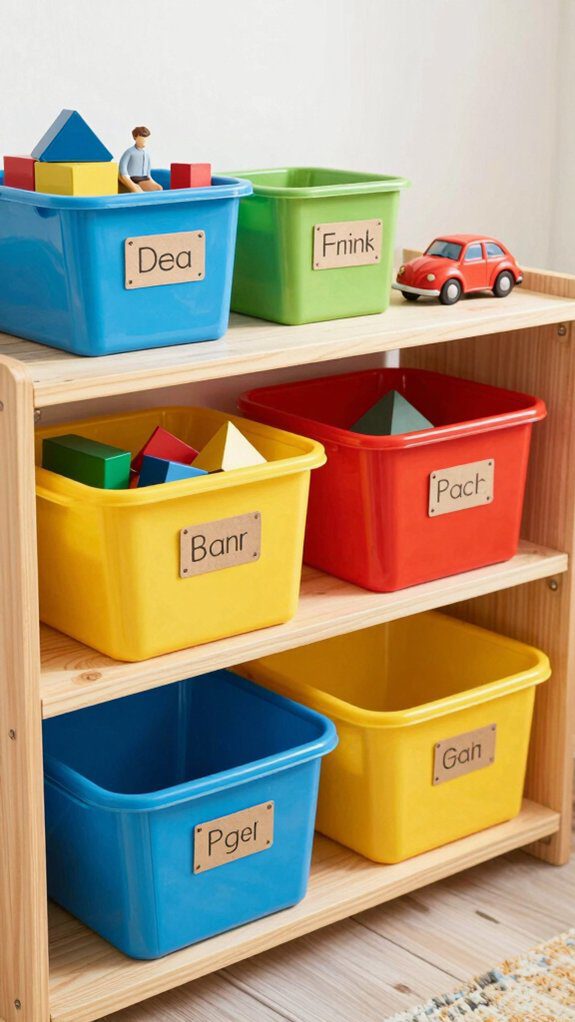
Since kids’ toys seem to multiply overnight, I like turning empty yogurt tubs and ice cream buckets into tidy sorting bins that make cleanup feel like a game. I sort small toys, blocks, and art supplies by category, using transparent containers so everyone can spot contents quickly. For toy organization tips, I group pieces by color, function, or project, then stack or line them on a low shelf so kids can reach and return items independently. I add creative labeling techniques — picture stickers for non-readers and simple words for older kids — and let them decorate lids to build ownership. This keeps our playroom neat, saves space, and turns organizing into a shared, satisfying routine we both enjoy.
Pet Food Storage
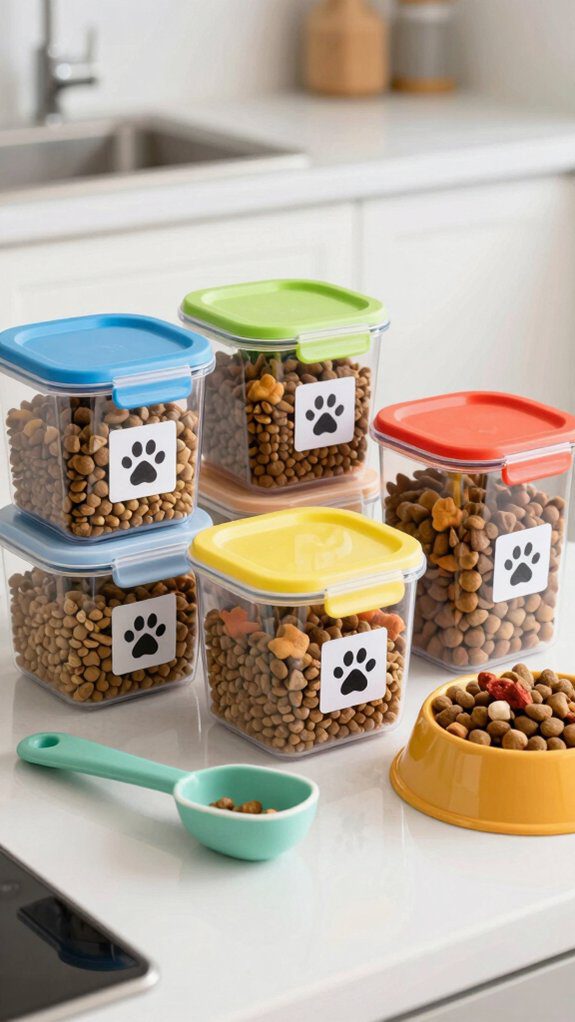
When I started saving old plastic tubs and jugs, I didn’t expect them to become one of my best tricks for pet food storage, but they really do the job—keeping food fresh, easy to portion, and out of reach from pests. I love how clear containers let me spot kibble types and amounts at a glance, and marking a food line makes portioning consistent—great pet nutrition tips for any caregiver. Try turning a detergent jug into a scoop by cutting at your mark; it fits your hand and measures meals. Storing food in clean, resealable tubs keeps moisture and bugs away, and helps with eco friendly practices that make our home feel shared and cared for.
- Clear tubs for quick checks
- Marked lines for portioning
- Detergent-scoop hack
Fridge Organization Boxes
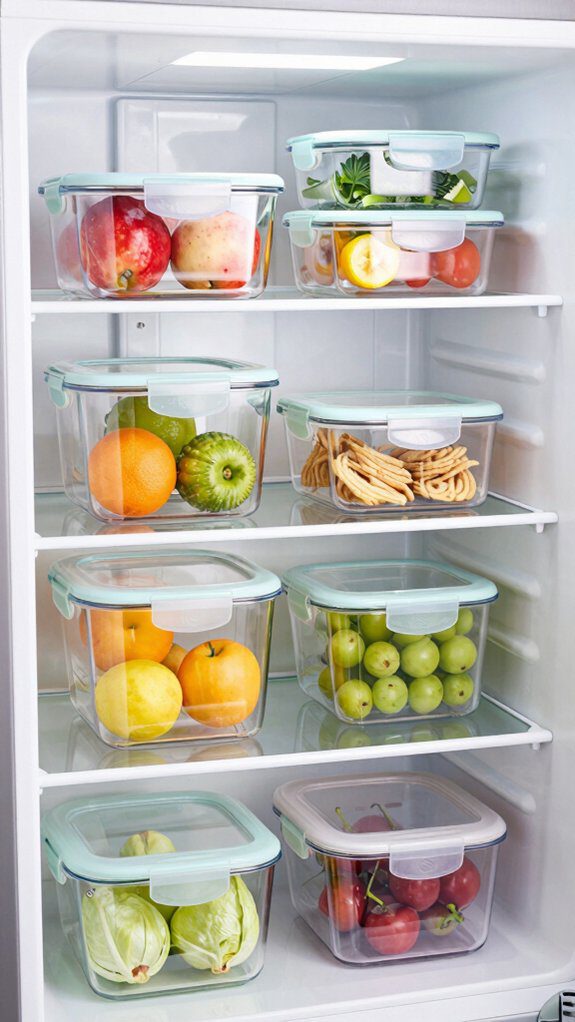
I started saving tubs for pet food, but pretty quickly I noticed the same trick works great in the fridge, too — repurposed plastic boxes make everything easier to find and use. I love how clear boxes boost food preservation by showing what’s inside, so leftovers get eaten instead of forgotten. I group dairy, snacks, and condiments in stackable containers to save space and time. I also use simple container labeling so everyone in our household can return things where they belong, which feels cozy and cooperative.
| Benefit | Tip | Result |
|---|---|---|
| Visibility | Use clear tubs | Find items quickly |
| Grouping | Assign zones | Faster meal prep |
| Labeling | Date + name | Less waste, more peace |
Wall-Mounted Storage
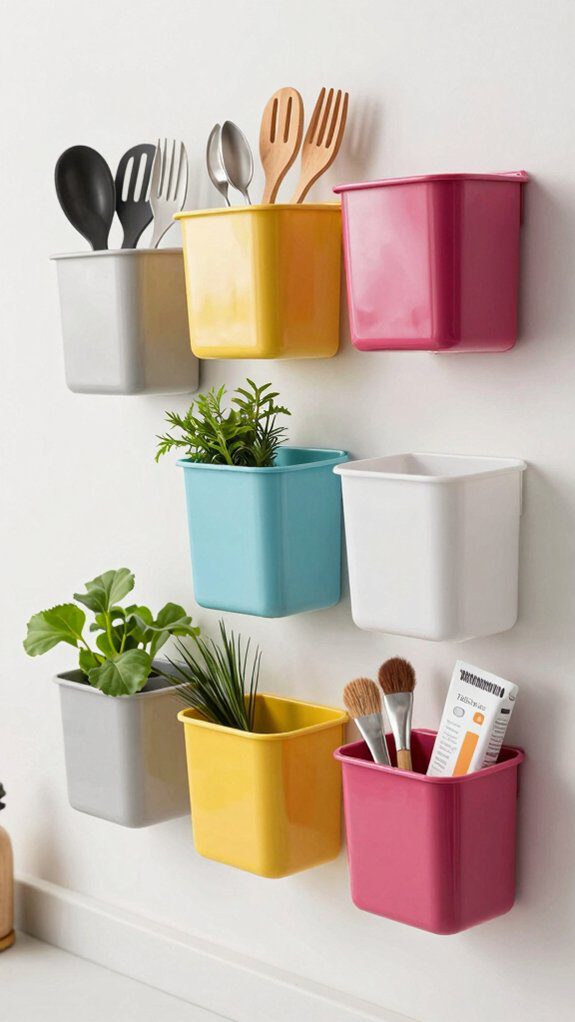
I love using wall-mounted storage to turn empty vertical space into useful shelving, and you can do the same by flattening or trimming plastic containers to fit narrow walls or the sides of cabinets. Try attaching small jars with adhesive hooks for craft supplies or mounting a modified coffee can on a bracket to hold larger tools in the garage, and don’t forget to dress them up with paint or decorative paper so they look intentional. With a few simple measurements, strong adhesive or brackets, and some creativity, you’ll free up countertops and make everyday items easy to grab.
Vertical space solution
Because vertical space is often ignored, I like to turn old plastic containers into wall-mounted storage that frees up counters and floors while keeping things handy. I hang repurposed coffee cans, small bins, or yogurt tubs with adhesive hooks or brackets, arranging them at different heights so everything from craft scissors to spice jars is within reach. It feels welcoming when the setup matches our style—painted containers become wall art or even tiny vertical gardening pockets for herbs.
- Group like items together (tools, snacks, craft supplies) for quick access.
- Paint and label containers to create a cohesive, homey look.
- Use sturdier brackets for heavier items and test weight limits first.
This method declutters while inviting everyone to chip in.
Travel Toiletry Containers
Traveling lighter and smarter is something I’ve gotten good at, and repurposing plastics makes it even easier. I like to pack travel necessities in small, familiar containers so everything feels organized and friendly. Old pill bottles are perfect for shampoo or lotion — they stop leaks and tuck into corners. Clean condiment bottles become travel-sized options when you don’t need full products, which helps with packing tips for carry-ons. Small yogurt cups hold cotton swabs or makeup pads, keeping them accessible at a glance. Empty contact lens solution bottles work great for facial cleanser or toner, and 2-ounce squeeze bottles fit airline rules for liquids. Try labeled lids and a clear pouch so your toiletries feel shared, tidy, and ready.
Paint and Craft Supply Holders
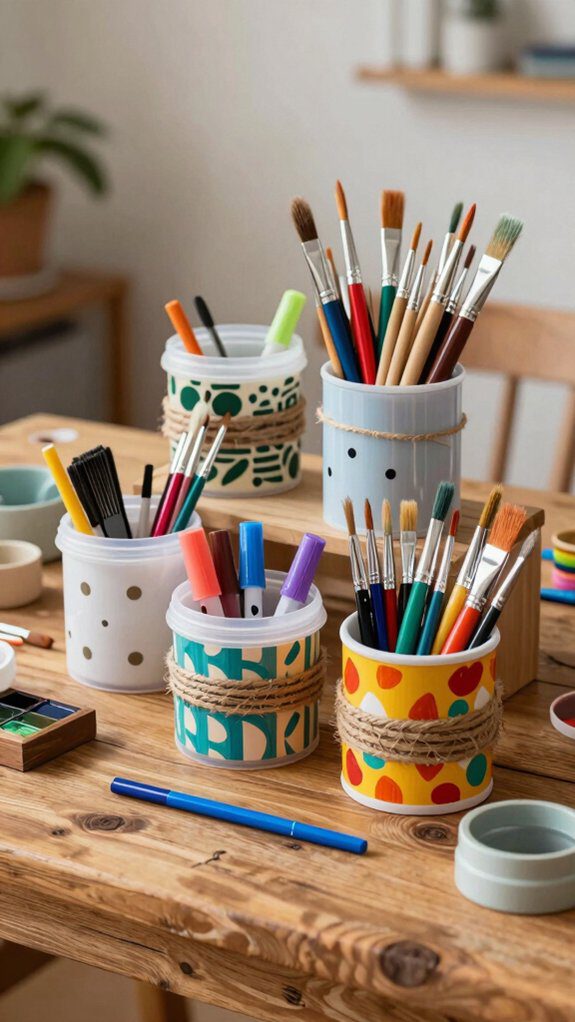
When I tackle a messy craft table, old yogurt cups and peanut butter jars become my go-to helpers, and they’ll do the same for you—stack them by size to hold paintbrushes, markers, and glue sticks so everything’s easy to grab. I love how clear containers let me peek inside for quick paintbrush organization, while decorated tubs add warmth to our shared creative corner. Try grouping supplies so everyone knows where things live; craft supply categorization makes projects smoother and invites friends to join.
- Small clear cups for separating paint colors and tiny tools
- Medium jars with labeled dividers for markers and pencils
- Tall containers for brushes, rulers, and scissors upright
Label, decorate, and swap as needs change.
Compost Collection Bin
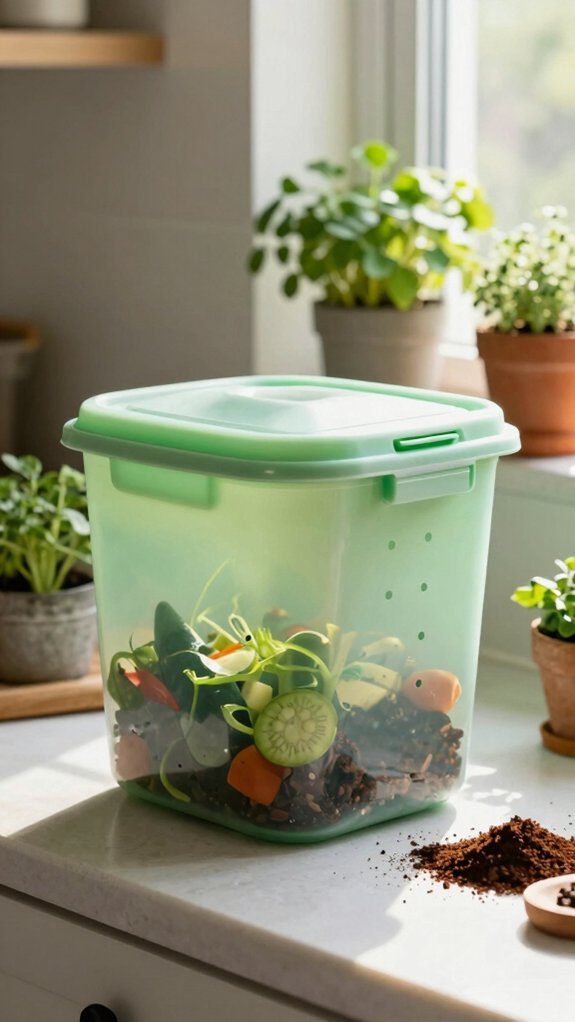
I like turning a large plastic tub or old ice cream bucket into a kitchen compost collection bin because it makes saving fruit and veggie scraps super simple and tidy. I punch small holes in the sides and lid for airflow, add a bottom layer of cardboard or dried leaves to soak up moisture, and then regularly toss in peels, coffee grounds, and eggshells while mixing in browns so it doesn’t smell. When the container’s full, I transfer everything to a larger outdoor pile, using the small bin as my guide for what kitchen waste to keep collecting.
Kitchen waste use
Although it sounds simple, I’ve found that turning a large plastic container into a kitchen compost collection bin makes keeping scraps organized a lot easier and less messy. I love how this small change highlights compost benefits and invites everyone at home to join in organic recycling. I drill tiny holes in the lid and sides for airflow, label it with clear instructions, and empty it regularly into our outdoor pile.
- Vegetable peels, coffee grounds, and egg shells go here — nothing plastic or cooked oils.
- A snug lid with ventilation cuts odors, and a washable container stays tidy.
- Clear labeling helps family members add only compostable items, reducing contamination.
It’s practical, welcoming, and feels like teamwork.
Cable and Charger Organizer
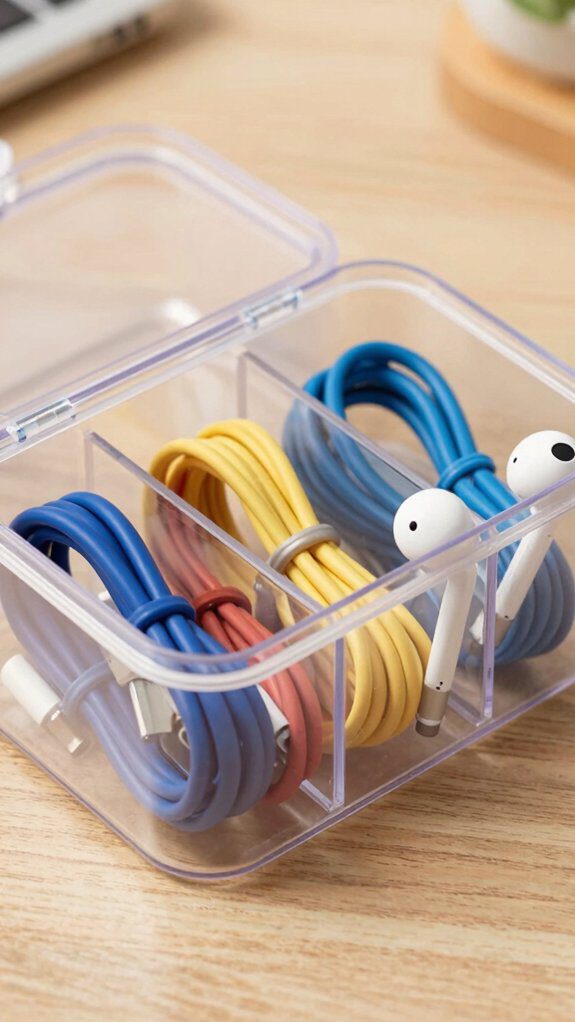
1 simple trick will cut cable chaos fast: grab a few empty toilet paper rolls or paper towel tubes and start sorting. I tuck each cord into a roll, label them, and stash small chargers in repurposed mint tins—these cable management tips make daily life calmer. A decorated shoebox with side holes handles bulkier adapters, and adhesive hooks keep frequent chargers at arm’s reach. I use divided trays or old tackle boxes to separate types, so everyone in my circle can find what they need. Here’s a quick glance:
| Item | Use |
|---|---|
| Toilet rolls | Prevent tangles |
| Mint tins | Earbuds, small chargers |
| Shoebox | Large chargers |
Try these charger storage solutions; they’re friendly, simple, and designed to share.